Spa Technician Raises New Questions About Deaths of Couple Found in Spanish Jacuzzi
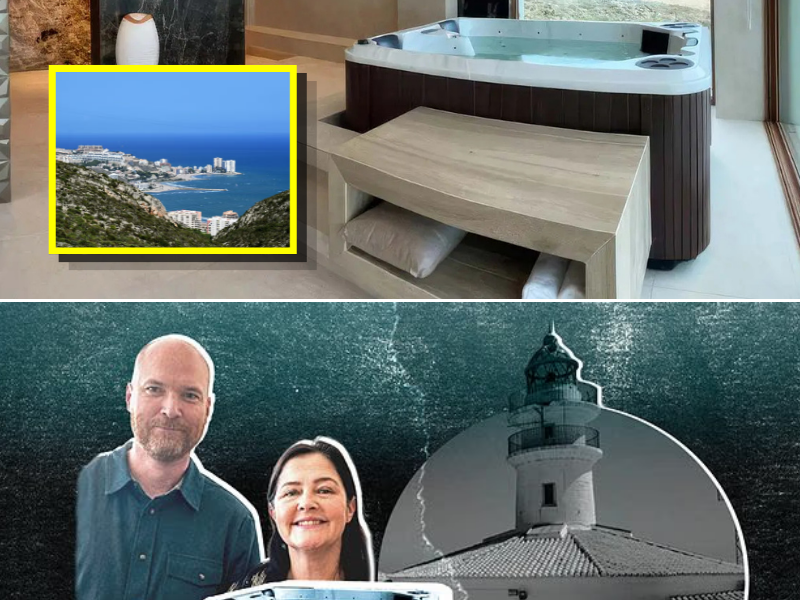
The deaths of Patrick Tobin and his wife, Thomasina, at a luxury property near Valencia have prompted renewed questions after a local spa technician reportedly challenged an early explanation for how the couple died. The pair were found inside a jacuzzi after reportedly remaining undiscovered for around 12 hours, with injuries described as mysterious cuts on their bodies. Early speculation reportedly centered on the possibility that one or both victims became trapped by suction from the spa system. However, spa technician Francisco Quero is said to have rejected the idea that a healthy adult could be fatally trapped by suction alone. Instead, he reportedly pointed to the possibility of an electrical fault causing a sudden loss of consciousness, while investigators have also considered whether another explanation could account for the circumstances. The cause and manner of death remain matters for forensic examination and official investigation.
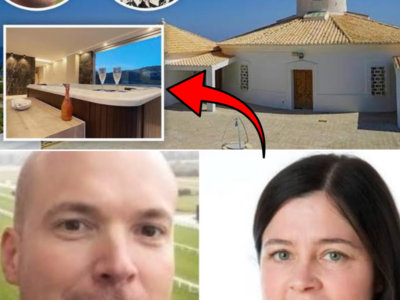
The couple had reportedly been staying at a luxury hilltop property in the Valencia region when the fatal incident occurred. Their bodies were eventually discovered inside the outdoor jacuzzi after a prolonged period in which no one realized something had gone wrong. The length of time they remained undiscovered has become an important detail because it creates a significant gap between the likely time of the incident and the moment emergency services or others became aware of it. Investigators examining such a scene would normally need to establish when the couple last spoke with anyone, when the jacuzzi was last used and whether any electrical or mechanical systems were operating during the relevant period. Other evidence from the property could also help determine whether the deaths resulted from an accident, a medical emergency or another cause.
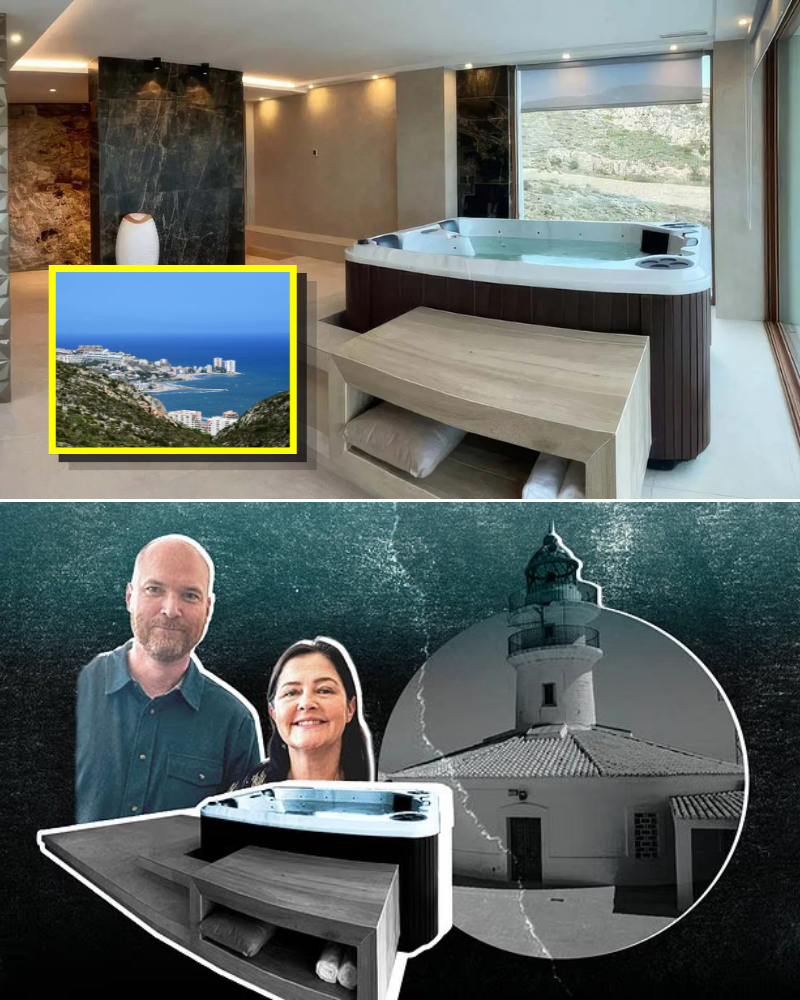
The reported suction theory appears to have focused on the possibility that the victims became trapped against a drain or intake point in the jacuzzi. Powerful suction can pose a serious hazard under certain circumstances, particularly when safety systems fail or when a person becomes unable to move away from an intake. However, Quero reportedly argued that suction alone would not ordinarily be sufficient to fatally trap a healthy adult. His assessment has therefore raised questions about whether another factor may have prevented the couple from escaping the water. A person who becomes unconscious for any reason could be unable to respond to an otherwise manageable hazard. Establishing whether either victim lost consciousness before drowning would require detailed medical and forensic evidence rather than relying solely on the condition of the spa.
Electrical safety has consequently emerged as another possibility. Quero reportedly suggested that an electric shock could have caused one or both victims to lose consciousness, potentially leaving them unable to escape the water. Electricity and water present a particularly serious safety risk when electrical equipment is improperly installed, damaged or inadequately protected. Investigators examining this possibility would need to inspect the jacuzzi’s pumps, heaters, lighting, wiring, circuit breakers and grounding systems. They may also determine whether protective devices operated correctly at the time of the incident. Evidence of an electrical fault could potentially explain a sudden incapacitation, but an electrical theory would still need to be supported by technical and medical findings. A spa technician’s opinion can help identify a plausible mechanism, but it cannot establish the cause of death on its own.
The cuts reportedly found on the couple’s bodies have added another unresolved element to the case. Injuries discovered after a death in water can have numerous possible explanations, including contact with equipment, sharp edges, debris or other objects in the surrounding environment. The location, depth and characteristics of the injuries would therefore be important to forensic specialists. Investigators may examine whether the cuts are consistent with an accidental interaction with part of the jacuzzi or whether they indicate something more unusual. The timing of the injuries must also be considered. If they occurred before death, they could provide information about what happened during the incident. If they were caused afterward, they could have a very different significance. Without detailed forensic findings, it would be premature to assign a specific meaning to the reported injuries.
The 12-hour period before the bodies were discovered could also provide important clues. Investigators may examine whether anyone entered or left the property, whether security cameras captured activity and whether the jacuzzi’s equipment continued operating during that time. Electronic records from the property could potentially establish when systems were switched on or off. If the jacuzzi experienced an electrical malfunction, investigators may be able to determine whether protective equipment registered an abnormal event. They may also inspect maintenance records to establish whether the spa had previously experienced problems. A mechanical failure, electrical fault or damaged safety component could potentially change the interpretation of the entire scene. Conversely, evidence showing that all equipment was functioning normally could weaken an accidental-equipment-failure theory.
The involvement of a technical specialist is significant because the operation of a modern spa can involve several interconnected systems. Pumps circulate water, heaters regulate temperature and electrical components may control jets, filtration, lighting and other functions. A failure involving one component does not necessarily mean that the entire system became dangerous. Investigators therefore need to identify precisely which equipment was operating and whether any malfunction could have affected the victims. They may also test the water and inspect drain covers, intake fittings and other physical components. If investigators determine that the suction was within normal operating parameters, the original entrapment theory could become less persuasive. If they identify a malfunction, however, it could provide a possible explanation for how the incident unfolded.
The possibility of foul play has also inevitably attracted attention because of the unusual combination of circumstances: two people found dead together in a jacuzzi, a lengthy delay before discovery and reported injuries on their bodies. Yet unusual circumstances do not automatically establish criminal involvement. Investigators must determine whether there is evidence of another person being present, whether the property showed signs of a struggle and whether anything was missing or disturbed. They would also examine the couple’s movements and communications before their deaths. Toxicology testing could reveal whether alcohol, medication or another substance contributed to their inability to respond. Medical histories may also be relevant if either person had a condition that could have caused sudden incapacitation.
The key question is therefore not simply whether suction could have been involved, but what caused the couple to become unable to escape the water. If one or both victims lost consciousness because of an electrical shock, medical evidence and technical examination of the spa would need to support that conclusion. If no electrical fault is found, investigators may need to consider other possibilities, including drowning following a medical emergency or an accident involving the equipment. The reported cuts could provide additional clues once forensic specialists establish their precise nature and likely origin. Each explanation must be tested against the physical evidence rather than selected because it appears more dramatic.
The deaths of Patrick and Thomasina Tobin remain surrounded by unanswered questions, and the comments attributed to Francisco Quero have added another possible explanation to an already unusual case. His rejection of fatal suction entrapment in a healthy adult has drawn attention to the possibility of an electrical incident, but that remains a theory until supported by forensic and technical evidence. Investigators will ultimately need to establish the condition of the jacuzzi, the cause of the couple’s injuries and the medical reason they were unable to survive. The 12-hour delay before their discovery makes a detailed reconstruction especially important. Until those findings are established, neither an accidental suction incident, an electrical shock nor a more sinister explanation can be treated as proven. The mystery surrounding the hilltop jacuzzi will depend on what investigators find in the water, the machinery and the evidence left behind at the scene.