25 Lives Lost in a 100-Foot Fall: What Witnesses Saw Before the Bus Went Over the Cliff
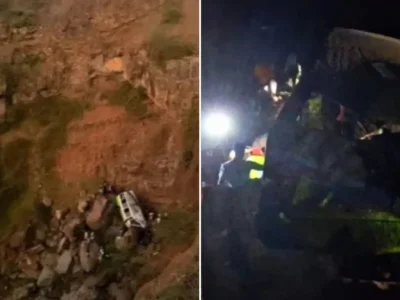
At least 25 people were killed when a passenger bus carrying schoolchildren plunged from a mountain road into a rocky ravine on Cape Verde’s Fogo Island, leaving emergency crews facing a difficult overnight rescue operation and investigators searching for answers about what happened in the final moments before the crash. The bus was traveling near Campanas de Cima on Saturday, Sept. 5, after an outing to Chã das Caldeiras when it left the roadway and fell roughly 30 meters into steep terrain. Early accounts have focused on the vehicle’s movements before it crossed the edge, while investigators have begun examining the bus, the road and the circumstances surrounding the collision. Reports of witnesses seeing the vehicle behaving erratically have circulated, but authorities have not publicly established every detail of those final moments. The confirmed scale of the disaster is already devastating, with numerous students among those killed and others taken to hospital with serious injuries.
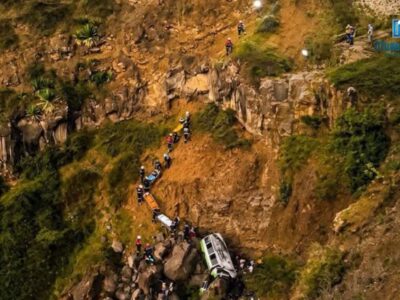
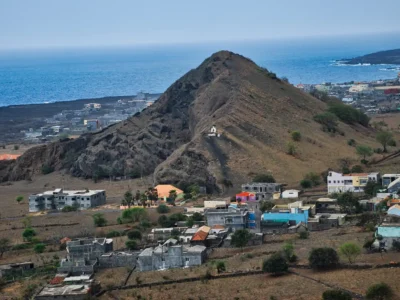
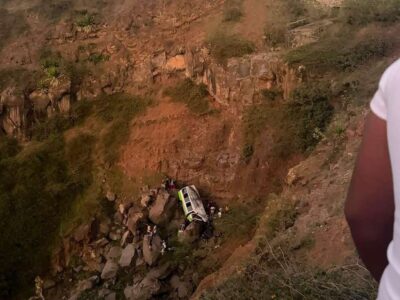
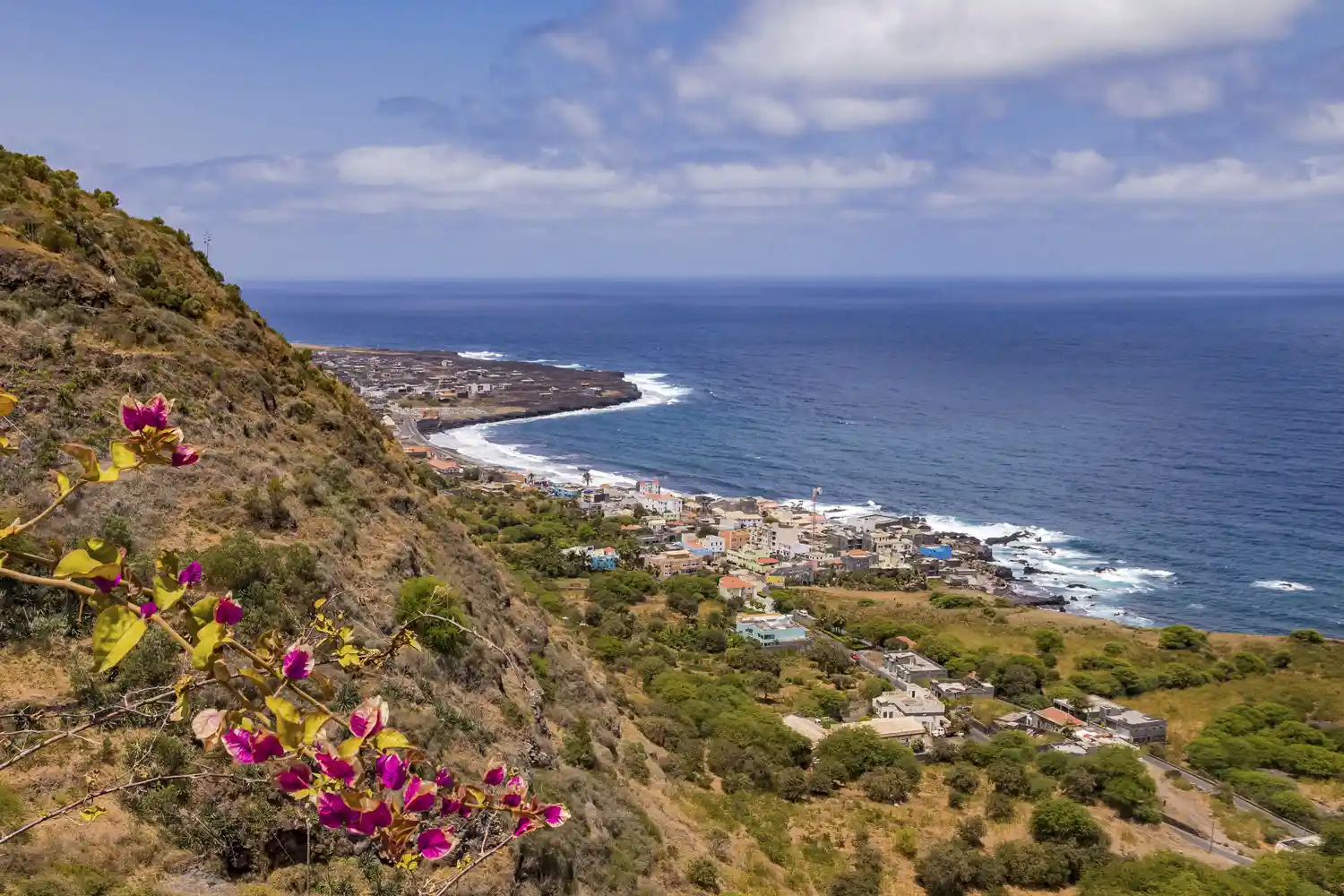
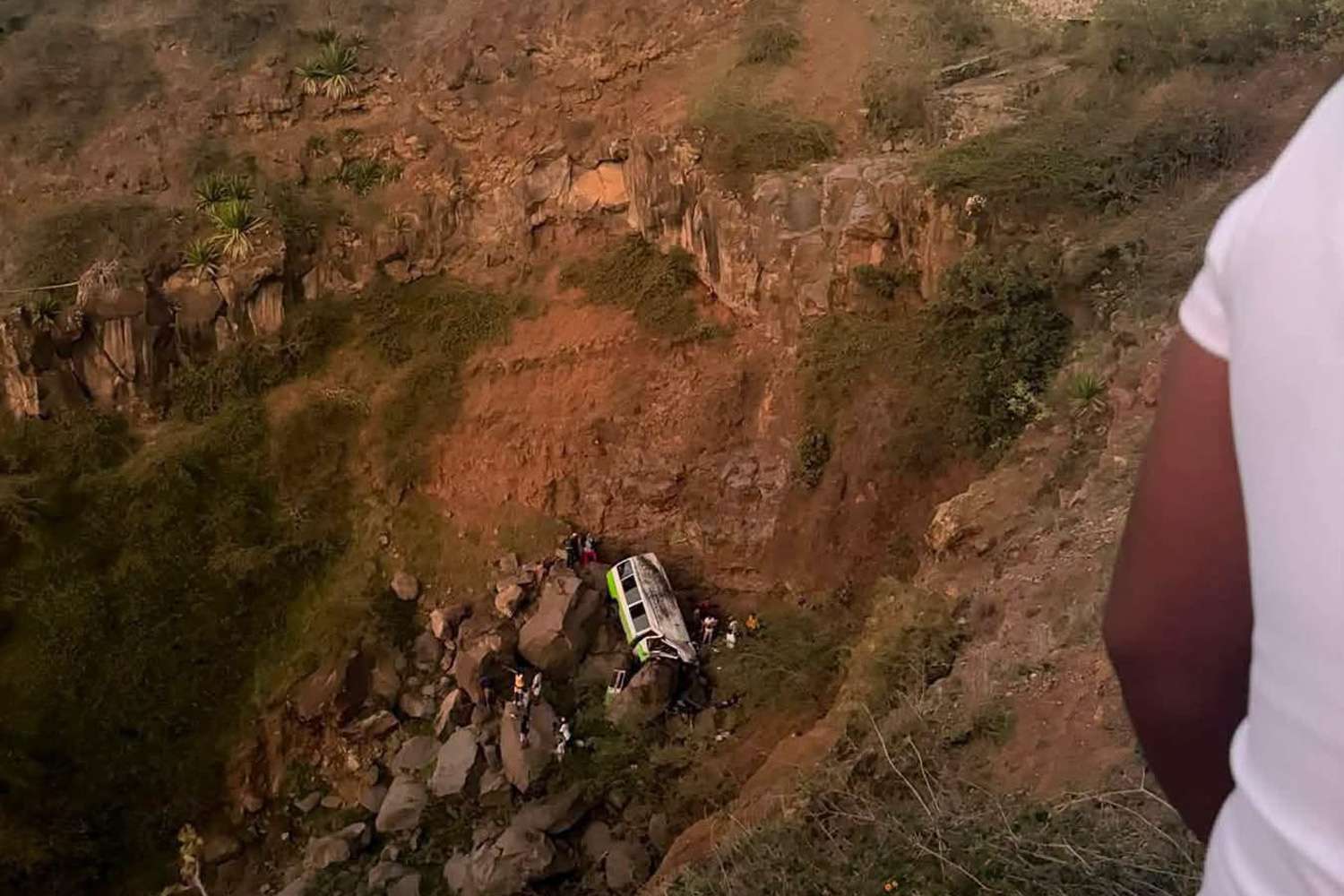
The bus was carrying approximately 32 people, including school-age children and teenagers, when the journey ended in disaster. The group had traveled to Chã das Caldeiras, an area inside the volcanic landscape surrounding Pico do Fogo, before beginning the return trip toward São Filipe. The outing was reportedly organized by the driver, who normally transported some of the students to school and had arranged the annual trip as a recreational activity. As the bus traveled through the mountainous area near Campanas de Cima, it left the road and descended into a ravine approximately 100 feet below. The location immediately created enormous challenges for emergency personnel. The wreckage was not sitting beside an accessible roadside shoulder but among rocks and steep slopes, requiring rescuers to climb down into the canyon before they could reach the passengers. The terrain also complicated the removal of victims and injured survivors, turning what would normally be a roadside emergency into a demanding technical rescue.
The first priority for responders was finding anyone who had survived the fall. Nineteen injured passengers were eventually transported to São Francisco de Assis Regional Hospital in São Filipe, according to reports from local authorities. Several were described as being in serious condition. The rescue operation required teams to move carefully through the rocky terrain around the overturned bus while attempting to reach people trapped inside. The condition of the vehicle made the task even more difficult, with sections of the passenger compartment heavily damaged by the impact. Rescuers searched through the wreckage for survivors and worked to remove those who could be reached. The fact that some passengers survived a fall of approximately 30 meters underscores both the violence of the collision and the unpredictable nature of the damage inside the vehicle. Medical teams then faced the separate challenge of treating multiple injured people at the same time while authorities began identifying the victims.
Witness accounts are expected to form an important part of the investigation, particularly if they can establish how the bus was behaving immediately before it left the road. Reports have described the vehicle as appearing unstable before the crash, but investigators have not publicly confirmed every detail of those accounts. A vehicle moving unpredictably on a mountain road could indicate several possibilities, including a mechanical problem, loss of control, excessive speed or another sudden event. The investigators’ task is to determine which explanation is supported by physical evidence rather than relying on assumptions. Road marks, the position of the wreckage, damage to the roadside barrier and the condition of the vehicle can all help reconstruct the sequence. If witnesses were traveling behind the bus, their observations could also help establish whether the driver attempted to slow down or correct the vehicle’s course before the final plunge.
The roadside itself will be closely examined. Investigators are expected to document the curve, road surface, gradient, visibility and protective barriers along the section where the bus left the roadway. In a mountainous environment, even a small loss of control can have catastrophic consequences when the road is bordered by a steep drop. Any damage to the barrier could provide clues about the direction and angle at which the bus crossed the edge. Investigators will also examine tire marks and other traces left on the road. Such evidence can help determine whether the driver applied the brakes, attempted an evasive maneuver or lost control without being able to recover. However, early physical evidence must be interpreted carefully. A damaged barrier or unusual tire mark may show what happened during the crash without necessarily revealing why the vehicle left the road in the first place.

Mechanical failure remains another area of interest. Authorities are expected to examine the bus’s braking system and other components as part of the accident investigation. Questions about whether the vehicle was capable of slowing normally before the bend could become important if investigators discover evidence of a pre-existing mechanical defect. At the same time, investigators must determine whether any damage found on the bus occurred before or during the fall. A severe collision can destroy or deform mechanical components, making it difficult to distinguish an original failure from impact damage. The same principle applies to tires, steering equipment and other systems that could potentially affect vehicle control. Until a formal investigation is completed, it would be premature to conclude that a particular mechanical problem caused the disaster. Authorities will need to compare physical findings with witness statements and the reconstructed trajectory of the bus.
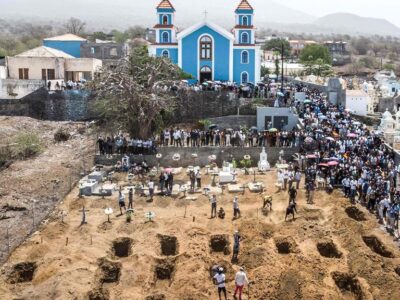
The tragedy has already sent shock waves through Fogo, where families have gathered to mourn children and other passengers who died in the crash. At least 25 people were killed, including the driver, while survivors were taken for emergency treatment. Funerals began within days of the disaster, and the government declared two days of national mourning. President José Maria Pereira Neves expressed condolences to the families and described the crash as a catastrophe. The loss has been particularly painful because the trip had been intended as a positive experience for young people rather than an official school activity associated with danger. Families who expected their children to return from a day out instead faced the devastating reality of a mass-fatality crash. The scale of the loss has affected schools, neighborhoods and communities across the island.
As investigators continue working at the scene, the precise sequence of events remains unresolved. Witnesses may provide important information about the bus’s movements, but those observations must be matched with physical evidence from the road and wreckage. Investigators will also need to establish the condition of the vehicle before the crash and determine whether any mechanical defect contributed to the loss of control. For the survivors, meanwhile, the consequences will extend far beyond the immediate rescue. Some face serious injuries and a long recovery, while families of those killed begin the painful process of saying goodbye. The question of how the bus came to leave the mountain road remains unanswered, but authorities now have the task of reconstructing every available detail — from the vehicle’s movements before the barrier to the final position of the wreckage in the canyon. What happened in those final moments may ultimately explain why a routine journey carrying students ended with 25 lives lost in a devastating fall.