4:25 A.M. Elevator Ride: Miami Man Accused of Killing His Mother Allegedly Changed Shirts After Fatal Attack
A 36-year-old Miami man accused of fatally stabbing his mother inside a luxury high-rise apartment allegedly left the residence covered in blood before returning upstairs to change his clothing, according to allegations detailed in the investigation. Stefano Cremasco-Cicero is accused of killing his mother during an early-morning confrontation inside the 47th-floor residence. Investigators reportedly reviewed surveillance footage and other evidence as they reconstructed his movements after the alleged attack, including an elevator trip and a later encounter in the building’s lobby. The case has attracted attention because of the reported sequence of events following the woman’s death, but the allegations have not been proven in court. Cremasco-Cicero has reportedly maintained that he acted in self-defense, making the circumstances before and after the stabbing central to the case.
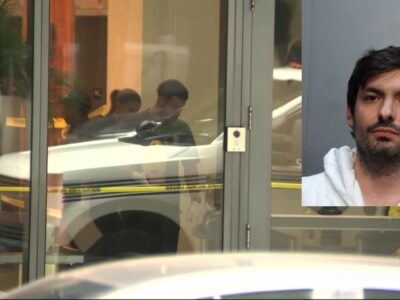
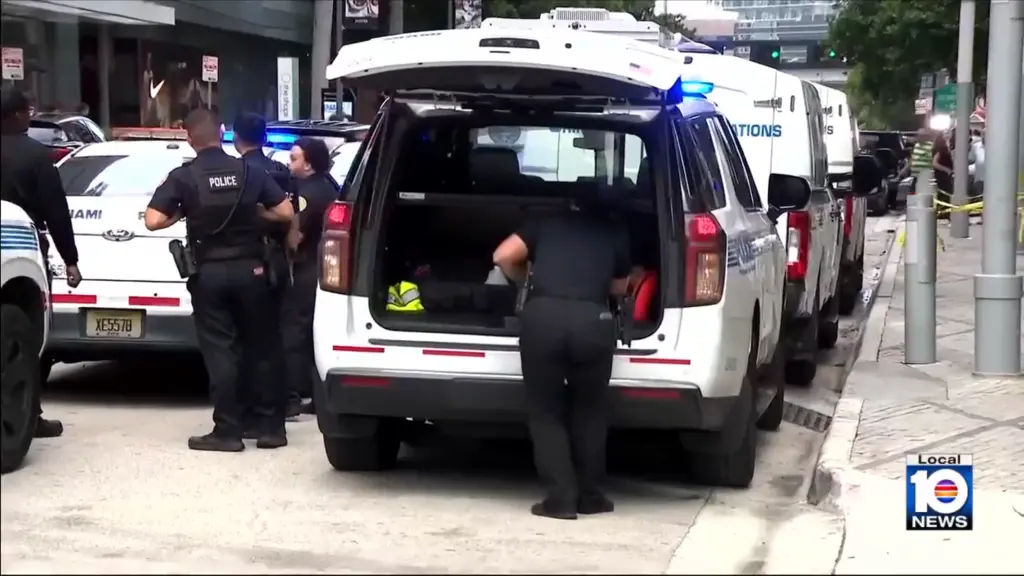
The investigation began during the early morning hours when police were alerted to a disturbance at the Miami high-rise. According to reports, Cremasco-Cicero was later encountered in the building’s lobby with blood on his clothing. A food delivery driver who arrived at the building allegedly became involved in the emergency response after the man asked her to use his cellphone to contact 911. Officers subsequently went to the apartment, where they found his mother dead. The victim had suffered multiple sharp-force injuries, while investigators reportedly recovered kitchen knives and broken wine bottles from inside the residence. The crime scene was secured as detectives and forensic specialists began documenting the apartment and reconstructing the events that had occurred before police arrived.

Surveillance footage from the building reportedly became an important source of information about Cremasco-Cicero’s movements. High-rise buildings commonly maintain cameras in common areas, including elevators, hallways and lobbies, potentially providing investigators with a detailed chronology. In this case, investigators reportedly examined footage showing the accused moving through the building after the alleged confrontation. Claims that he dropped a kitchen knife in an elevator and later returned upstairs to change clothing have been reported as part of the evidence being examined. If authenticated, such footage could help establish the timing of his movements and determine what he did after leaving the apartment. However, surveillance footage alone cannot explain his intentions. Investigators must still determine why he made each movement and whether those actions were connected to an attempt to conceal evidence, an effort to seek help or another purpose.
The reported clothing change has drawn particular attention. According to allegations, Cremasco-Cicero was initially wearing a blood-stained T-shirt before returning to the apartment and changing into a long-sleeved shirt. Investigators reportedly noted that other items, including white shoes, remained stained. Such details could become significant if prosecutors argue that the clothing change represented an attempt to conceal evidence. The defense could offer a different explanation, particularly if Cremasco-Cicero maintains that he had been involved in a violent struggle and was attempting to clean himself or make himself presentable before seeking help. The meaning of a clothing change depends heavily on the surrounding evidence and the defendant’s statements. A change of clothes by itself does not establish consciousness of guilt, but prosecutors could argue that the timing and circumstances make it relevant to their interpretation of events.
The alleged knife discovery could also become important. Investigators reportedly found or documented a kitchen knife in connection with the elevator surveillance footage. If the item was recovered and preserved as evidence, forensic testing could determine whether it contained blood, fingerprints or DNA. Investigators could then compare those findings with material collected from the apartment and the victim. The location where the knife was allegedly dropped could also help establish the defendant’s movements after leaving the residence. But the significance of any knife depends on whether investigators can establish that it was involved in the fatal confrontation. A kitchen knife found in a residence does not automatically constitute the murder weapon, particularly when multiple knives may be present. Forensic analysis is therefore essential to distinguish relevant evidence from objects that were simply part of the apartment’s contents.
Inside the 47th-floor apartment, investigators reportedly encountered extensive evidence of violence. Multiple kitchen knives and shattered wine bottles were found, while the victim suffered numerous sharp-force injuries. The condition of the residence may indicate that a struggle occurred, but investigators must determine how that struggle began and how it progressed. Blood-pattern analysis can potentially help reconstruct movement within a room, while DNA and fingerprint evidence can identify who handled particular objects. The victim’s injuries will also provide information about the force and sequence of the attack. These findings could be particularly important because Cremasco-Cicero has reportedly claimed that he acted in self-defense. Prosecutors will have to assess whether the physical evidence supports that explanation or whether it indicates that the force used exceeded what was necessary to protect himself.
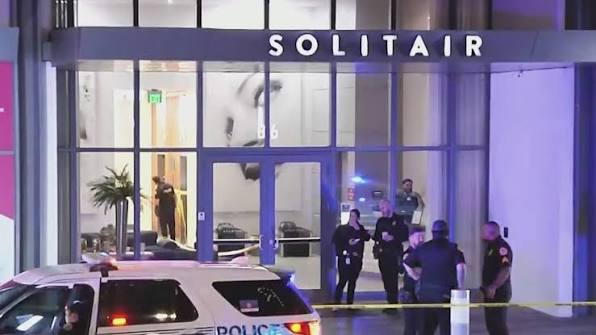
The timeline surrounding the alleged killing is also likely to be reconstructed through phone records and emergency communications. Cremasco-Cicero reportedly appeared in the lobby around 4:40 a.m., where he allegedly asked a food delivery driver to call 911. The emergency call provides investigators with a contemporaneous account of the situation shortly after the alleged confrontation. Building cameras may establish when he left the apartment, how long he remained in the elevator and when he returned upstairs. If those records are consistent with other evidence, investigators could create a minute-by-minute timeline of the incident. Such a timeline may help answer questions that remain unresolved, including when the fatal injuries occurred, when the accused left the apartment and what happened between the alleged stabbing and the arrival of police.
The case has generated significant public interest because of the combination of a fatal family confrontation, a luxury high-rise setting and the reported movements captured by building cameras. Yet individual pieces of evidence can be interpreted in different ways. Prosecutors could argue that changing clothes and allegedly discarding a knife demonstrated an attempt to conceal what had happened. The defense could argue that the same actions occurred during the confusion following a violent struggle and do not prove an intention to hide a crime. The significance of the white shoes, the clothing change and the alleged knife drop will therefore depend on the complete evidence presented to the court. Investigators must also determine whether Cremasco-Cicero made statements that are consistent or inconsistent with the physical evidence.
The central issue remains the death of Cremasco-Cicero’s mother and the circumstances that led to her fatal injuries. Authorities are examining the apartment, surveillance footage, forensic evidence and the events surrounding the 911 call as they attempt to establish what happened. The reported elevator footage could provide important evidence about the accused’s movements after the confrontation, but it cannot independently determine his state of mind or whether he acted lawfully. Cremasco-Cicero remains presumed innocent, and his reported self-defense claim will have to be considered alongside all available evidence. If prosecutors ultimately argue that the clothing change, knife discovery and other movements amounted to a deliberate cover-up, they will have to prove that interpretation in court. For now, the 4:25 a.m. timeline remains one of the most closely examined parts of the investigation, offering investigators a potential window into what happened after the fatal confrontation on the 47th floor.