Death Toll Rises to 25 After Bus Plunges Into Ravine on Cape Verde’s Fogo Island
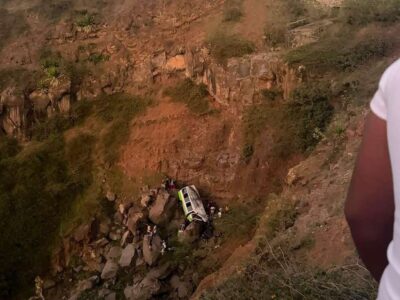
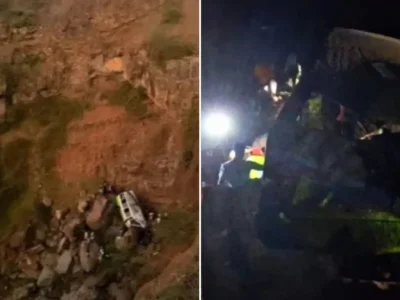
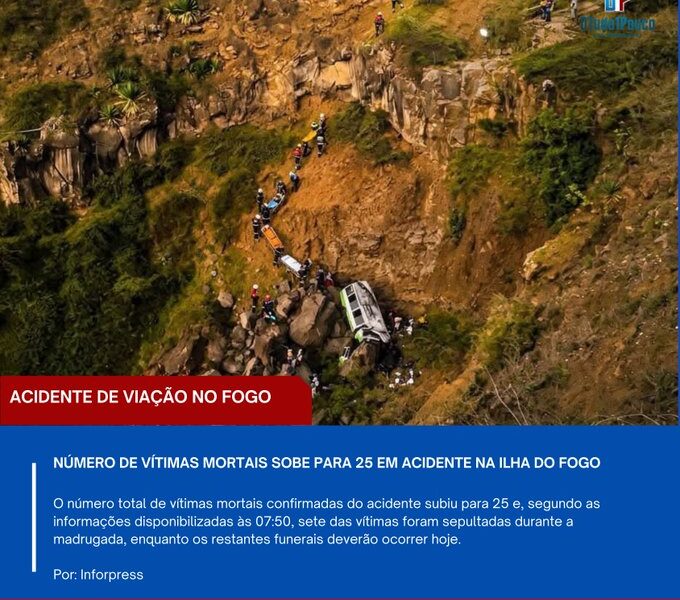
The death toll from a devastating bus crash on Cape Verde’s Fogo Island rose sharply as rescuers worked through the night to reach the wreckage, with at least 25 people ultimately confirmed dead after the vehicle plunged from a mountain road into a rocky ravine. The crash involved a bus carrying around 32 passengers, many of them children and teenagers, who had been returning from an outing to Chã das Caldeiras. The vehicle left the road near Campanas de Cima and fell approximately 30 meters into difficult terrain. Emergency workers faced a steep descent to reach the overturned bus, while medical personnel treated survivors and authorities began the painstaking process of identifying victims. Early reports gave lower casualty figures as rescue operations were still underway, but the number increased as teams gained fuller access to the wreckage. The disaster has since become one of the most devastating recent road tragedies in the country.
The crash occurred on Saturday night, Sept. 5, as the group traveled back toward São Filipe. The trip had reportedly been organized by the driver, who regularly transported some of the students to school and had arranged the outing privately. The journey to Chã das Caldeiras had been intended as a recreational experience for the young passengers. Instead, the return trip ended when the bus left the mountain roadway near Campanas de Cima and plunged into a ravine. The driver was among those who died. Because the crash occurred at night and the vehicle landed far below the roadway, rescuers could not immediately determine the full number of casualties. The difficult volcanic terrain slowed access to the wreckage, meaning initial reports necessarily reflected only the victims who could be reached and confirmed at the time.
As rescue teams descended toward the bus, they encountered a severely damaged vehicle resting among rocks and uneven ground. The force of the fall caused extensive destruction to the passenger compartment, making access difficult. Responders had to work around crushed sections of the frame while searching for people who might still be alive. Nineteen injured passengers were eventually transported to São Francisco de Assis Regional Hospital in São Filipe, where medical teams treated them for injuries of varying severity. Several were reportedly in serious condition. The number of people who survived and were transported for treatment helped authorities begin establishing a clearer picture of the total number of passengers aboard. At the same time, recovery teams continued working at the scene to locate and remove those who had died. The changing casualty figures reflected the complexity of the operation rather than an unexplained sudden increase in deaths.
Claims about unusual injury patterns and passengers being violently thrown forward have circulated in descriptions of the crash, but authorities have not publicly released a detailed forensic account establishing such a sequence. Investigators will need to rely on formal post-mortem examinations, medical records and the physical evidence inside the bus before drawing conclusions about how passengers were positioned during the impact. In a crash involving a steep fall and multiple points of impact, injuries can result from a combination of forces, including the initial departure from the roadway, the descent and the collision with the terrain. The position of seats, damaged sections of the passenger compartment and the condition of restraints, if present, could all help investigators reconstruct what happened. Until those examinations are completed, descriptions of specific injury patterns should be treated cautiously rather than presented as confirmed evidence of exactly what occurred inside the bus.
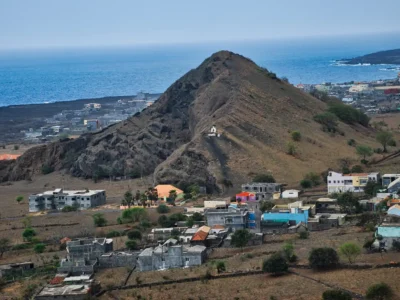
The location of the crash has made the investigation particularly challenging. The road near Campanas de Cima runs through mountainous volcanic terrain, where a vehicle leaving the roadway can quickly descend into a deep ravine. Investigators are expected to examine the road surface, the curve where the bus departed, the roadside barrier and any tire marks or other traces left before the crash. These details could help determine whether the driver attempted to slow down or steer before the bus crossed the edge. The bus itself will also be examined for possible mechanical problems involving its brakes, steering, tires or other systems. Reports have raised questions about whether the vehicle experienced a braking issue, but no final official finding has established that mechanical failure caused the crash. Investigators must distinguish between defects that existed before the collision and damage caused by the fall itself.
The circumstances surrounding the trip have also become part of the public discussion. The outing was reportedly not an official school excursion. Instead, the driver personally organized the trip for students he normally transported. The group had traveled to Chã das Caldeiras before setting out toward São Filipe. That distinction may be relevant to questions about how the journey was arranged and what transportation requirements applied, but it does not by itself explain the crash. Investigators will focus primarily on the events immediately before the bus left the roadway and whether any preventable factor contributed. They may also review vehicle maintenance records, driver experience and other available evidence. The fact that the driver was familiar with the area could become relevant to understanding his knowledge of the route, but familiarity alone does not establish why the bus left the road.
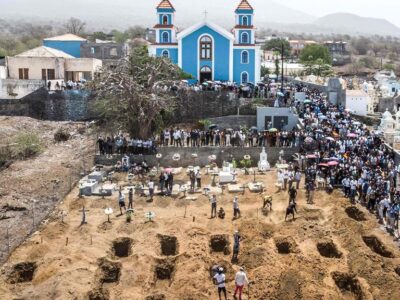
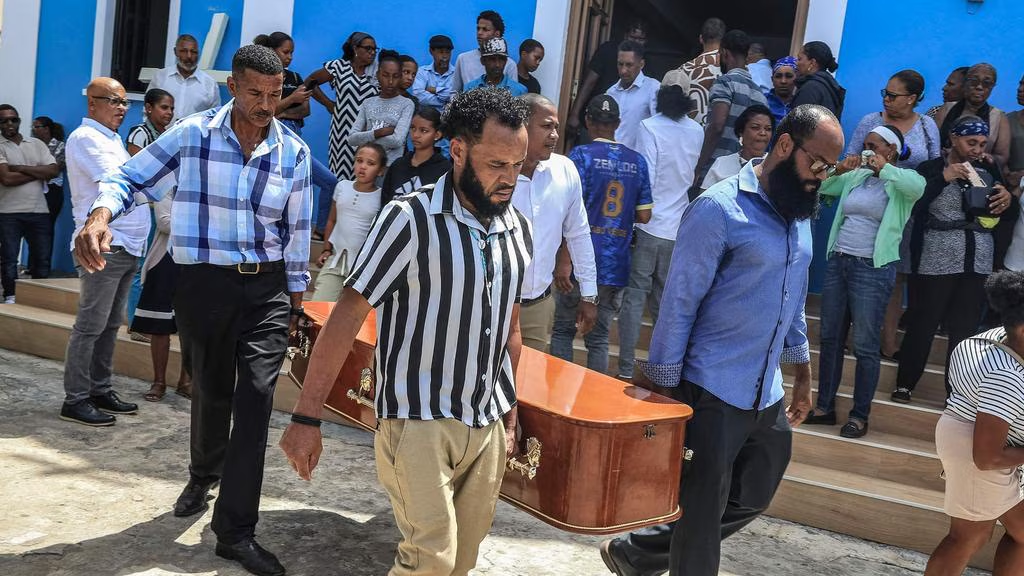
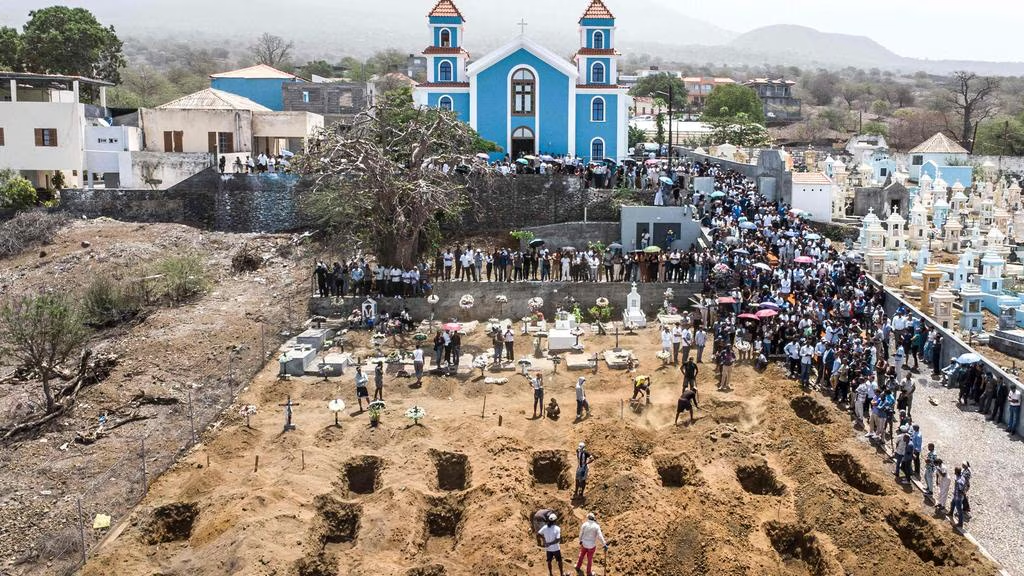
The disaster has devastated families and communities across Fogo. At least 25 people were killed, including numerous young passengers, while 19 survivors were taken to hospital. The government declared two days of national mourning, and President José Maria Pereira Neves expressed condolences to the families of those who died. Funeral services began soon after the crash as relatives and friends gathered to mourn. The scale of the loss has been especially painful because the victims included schoolchildren who had been on what was supposed to be a normal recreational outing. For survivors and their families, the consequences will continue long after the wreckage has been removed. Some injured passengers face significant medical recovery, while the families of those killed must confront the loss of loved ones under extraordinarily traumatic circumstances.

The final death toll of 25 underscores how difficult the rescue operation was and how quickly early casualty figures can change after a major disaster in an inaccessible location. Initial reports provided lower numbers while rescuers were still working in the ravine, but subsequent access to the wreckage allowed authorities to establish that many more people had died. The investigation will now focus on explaining why the bus left the road and whether mechanical failure, road conditions, driver error or another factor contributed. Claims concerning the exact movements of passengers and their injuries will require confirmation through official forensic findings. What is already beyond dispute is the scale of the tragedy: a bus carrying approximately 32 people plunged about 100 feet from a mountain road, leaving at least 25 dead and 19 injured. As investigators reconstruct the crash, families on Fogo are left to mourn a devastating loss that began with an ordinary outing and ended in one of the island’s darkest nights.