Miami Steakhouse Manager Accused of Killing His Mother in 47th-Floor High-Rise
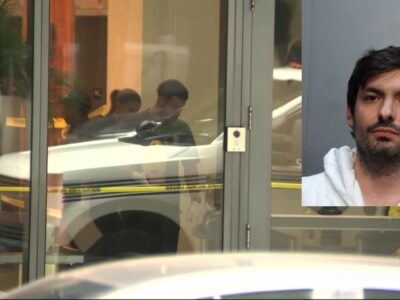
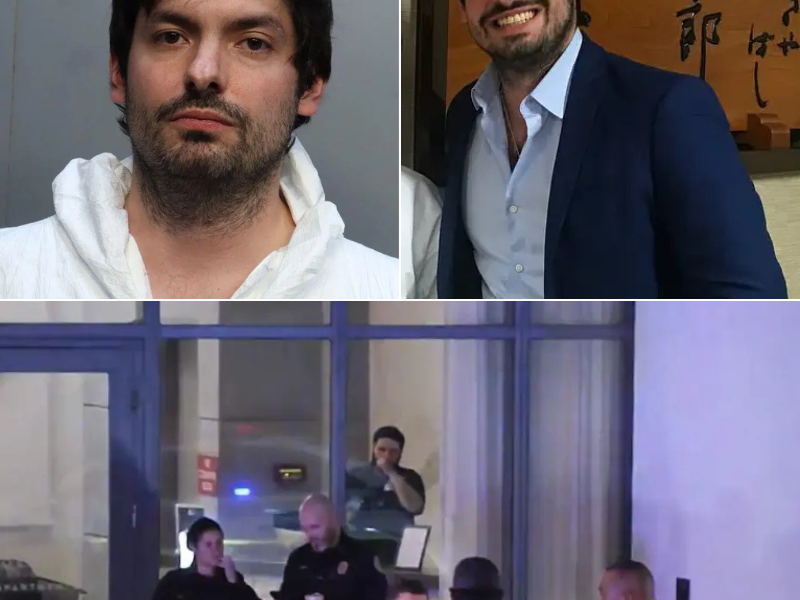
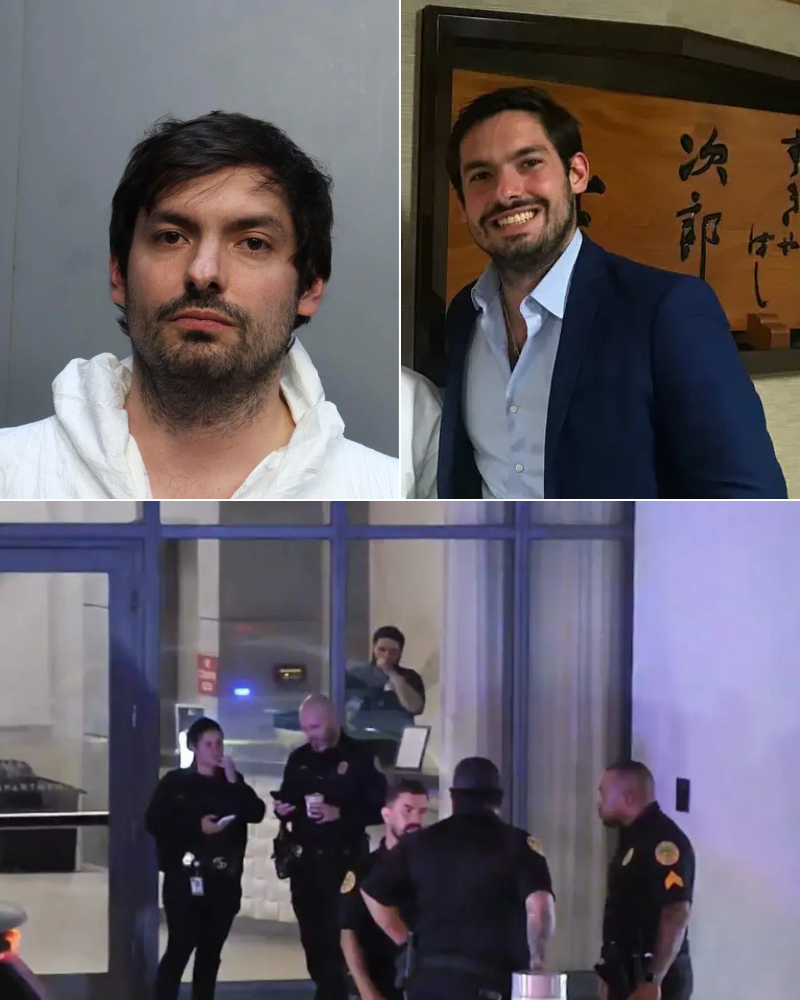
A Miami restaurant manager has been accused of killing his mother inside a luxury high-rise apartment, with investigators examining his claim that he acted in self-defense during a violent confrontation. Stefano Cremasco-Cicero, 36, was arrested after police responded to reports of a disturbance at a downtown Miami residence. Officers allegedly found him covered in blood and discovered his mother dead inside the apartment. Investigators also documented evidence of a violent struggle, including knives and broken glass. Cremasco-Cicero has maintained that he was defending himself, making the circumstances immediately preceding the killing a central question for prosecutors. The allegations remain unproven, and the defendant is presumed innocent unless and until he is convicted in court.
The incident occurred inside a luxury apartment high above Miami, where Cremasco-Cicero and his mother were reportedly involved in a confrontation. According to investigators, officers arriving at the residence encountered a disturbing scene and found the defendant with blood on his clothing and body. His mother had suffered multiple sharp-force injuries and was pronounced dead. Police recovered kitchen knives and broken wine bottles from the apartment, evidence that investigators believe may help establish how the confrontation unfolded. The condition of the residence suggested that a physical struggle had occurred, although the presence of damaged objects alone does not establish who initiated the confrontation. Detectives therefore began documenting the scene, collecting forensic evidence and interviewing people who could provide information about the relationship between the mother and son.
Cremasco-Cicero reportedly told investigators that he had not intended to kill his mother and that he was acting to protect himself. His self-defense claim will likely become one of the central issues in the case. Under Florida law, a self-defense argument generally depends on whether a person reasonably believed that deadly force was necessary to prevent imminent death or serious bodily harm. The circumstances surrounding the confrontation therefore matter considerably. Investigators will need to establish what happened immediately before the violence, whether either person threatened the other and how the physical struggle developed. Prosecutors, meanwhile, would have to address the defendant’s account if they seek to prove that the killing was unlawful. Evidence from the apartment, medical examinations and witness testimony could all play a role in determining whether the self-defense claim is supported.
The condition of the victim is another significant element of the investigation. Authorities reportedly documented numerous sharp-force injuries to the woman, while knives and broken wine bottles were found in the apartment. Such evidence could help investigators reconstruct the sequence of events, but it must be interpreted alongside forensic findings. Investigators may examine blood patterns, fingerprints, DNA evidence and the location of objects throughout the apartment. The position of the body and the condition of the surrounding area can also help establish how the confrontation moved through the residence. In a case involving a self-defense claim, these details can be particularly important because the physical evidence may either support or contradict the account provided by the defendant. Investigators must determine not simply whether a struggle occurred, but how it began and whether the level of force used was legally justified.
The relationship between Cremasco-Cicero and his mother could also receive close scrutiny. Detectives are likely to examine whether there had been previous conflicts, threats or other incidents between them. However, any allegations concerning their relationship would need to be supported by evidence before they could be treated as established facts. A history of disagreement would not by itself prove that a homicide was intentional, just as an allegation of previous conflict would not automatically establish a motive. Investigators may review phone messages, interviews with relatives and acquaintances, building security records and other available information to construct a timeline. Those details could help explain why the confrontation occurred and whether there were warning signs before the fatal incident.
The luxury setting of the alleged killing has added to public interest in the case. The apartment was located on one of the upper floors of a Miami high-rise, placing the incident far above the city streets and inside a residence associated with significant wealth. But investigators will focus on the evidence rather than the value or location of the property. High-rise security systems can potentially provide important information, including elevator records, surveillance footage and visitor logs. Investigators may examine who entered or left the building before and after the confrontation and whether anyone heard or witnessed signs of a struggle. Such evidence could help establish the timeline and potentially identify additional witnesses. The apartment itself is also likely to remain a critical piece of evidence while forensic specialists complete their examination.
Cremasco-Cicero’s professional background has also drawn attention. He has been described as a manager connected with the Miami restaurant scene, making the allegations particularly striking to people familiar with his career. However, his occupation does not establish anything about the circumstances of the alleged killing. Criminal investigations must be based on evidence relating directly to the incident. The focus remains on the confrontation inside the apartment, the injuries sustained by the victim and the defendant’s explanation of what happened. Authorities will also have to determine whether the evidence supports charges beyond the initial allegations and whether prosecutors believe the available facts can overcome the self-defense argument.
As the case moves through the court system, prosecutors and defense attorneys will likely focus heavily on the sequence of events inside the apartment. The defense may argue that Cremasco-Cicero faced an immediate threat and used force while attempting to survive the confrontation. Prosecutors could challenge that account by examining the number and nature of injuries, the weapons recovered and the physical evidence from the apartment. None of those issues can be resolved solely through early police reports. They will require forensic analysis, testimony and legal arguments presented in court. The defendant’s statement that he was “only defending himself” therefore represents an allegation about the circumstances rather than a conclusion about what happened.
The death has left a family tragedy at the center of a serious criminal investigation. A mother is dead, her son faces a homicide accusation, and investigators are attempting to determine what happened during a confrontation inside a Miami high-rise. The reported presence of knives, broken wine bottles and extensive blood evidence provides investigators with substantial material to examine, but it does not by itself answer the crucial legal question of whether the killing was an act of unlawful violence or an act of self-defense. That determination will depend on the complete evidence and the circumstances leading up to the fatal encounter. As the investigation continues, Cremasco-Cicero remains presumed innocent, while authorities work to establish the events that transformed a confrontation inside a luxury apartment into a deadly family tragedy.