Pitch Black at 9 PM: What Happened Inside the Bus Before It Plunged Into the Gorge?
A nighttime journey across the volcanic landscape of Cape Verde’s Fogo Island ended in one of the country’s most devastating recent road disasters when a bus carrying schoolchildren left a mountain road and plunged into a ravine. The crash killed at least 25 people and left 19 others injured, according to reports from local authorities. The bus was returning from Chã das Caldeiras toward São Filipe when it went off the road near Campanas de Cima on Saturday, Sept. 5. The darkness, mountainous terrain and steep drop made the emergency response exceptionally difficult. While early accounts have described the vehicle suddenly veering from its path before going over the edge, investigators have not yet released a complete reconstruction of what happened inside the driver’s cab. That unanswered question now sits at the center of the investigation as authorities examine the road, the vehicle and the moments immediately preceding the fatal plunge.
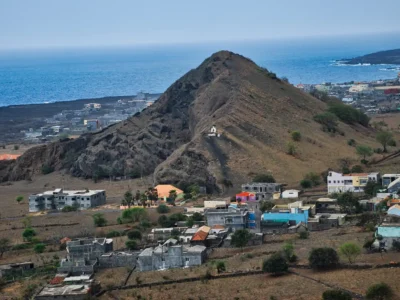
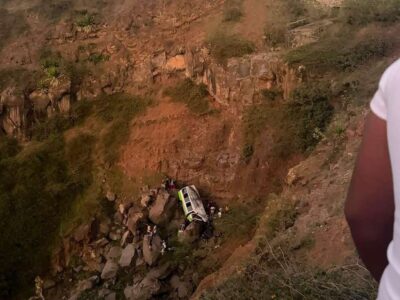
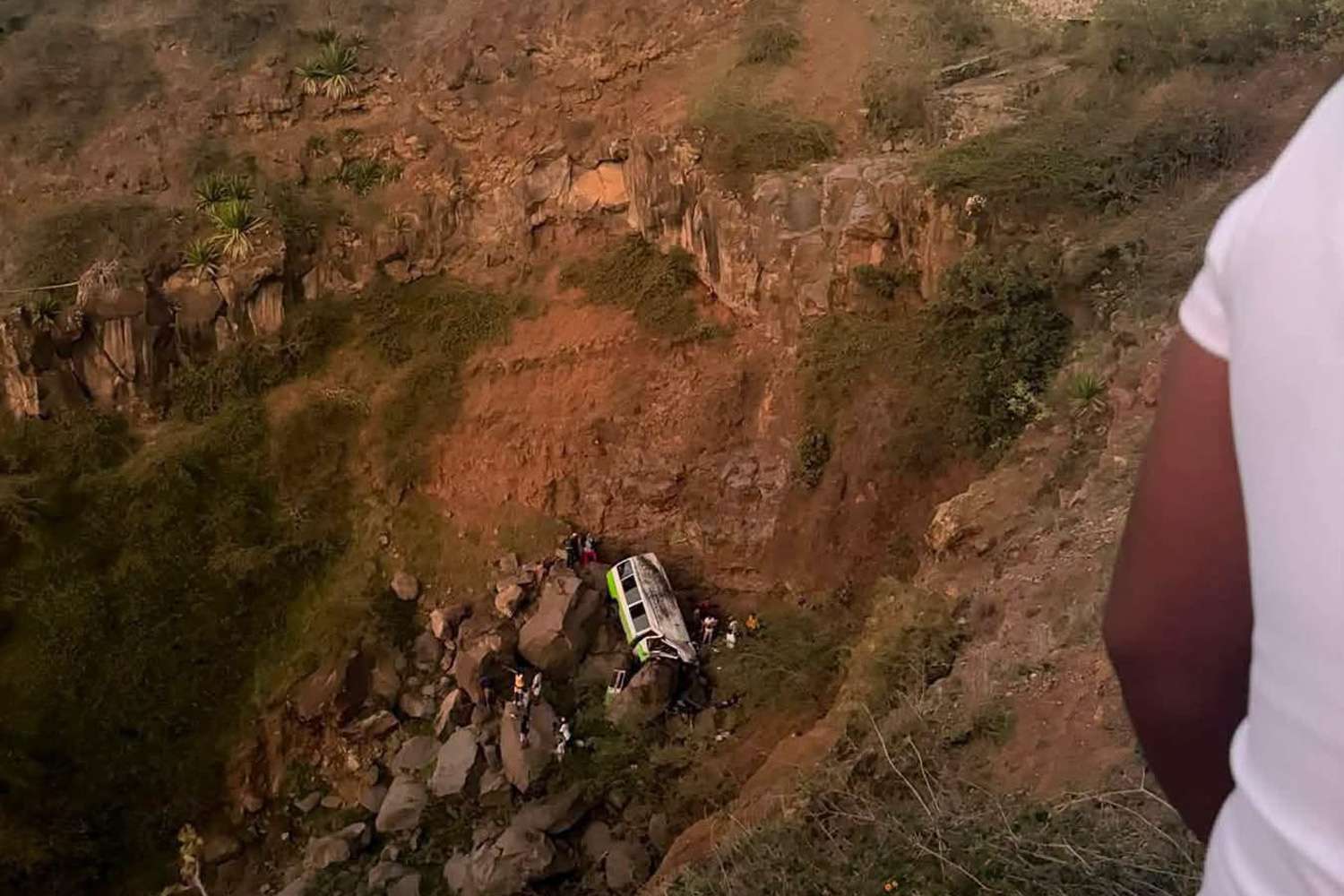
The journey began as a recreational outing rather than an official school-organized trip. The driver had reportedly arranged the excursion for children and teenagers he regularly transported to school. The group traveled to Chã das Caldeiras, a settlement located within the volcanic landscape of Pico do Fogo, before beginning the return journey later in the day. Approximately 32 people were aboard the bus. As the vehicle traveled along the route toward Campanas de Cima, the road narrowed through mountainous terrain, with steep ground surrounding sections of the route. At some point during the journey, the bus left the roadway and fell approximately 30 meters into a rocky ravine. The driver was among those killed. The precise circumstances leading to the vehicle’s departure from the road remain unclear, and investigators have not confirmed claims that the bus simply continued forward without any attempt to slow or change direction.
The darkness is an important part of the investigation because visibility can influence how a driver responds to an unexpected hazard. The crash occurred at night, when the mountain road would have been illuminated primarily by the vehicle’s headlights and whatever lighting was available along the route. Investigators will therefore need to establish the visibility conditions around the bend, including whether the road markings and roadside barrier were clearly visible. They may also examine weather conditions, the condition of the road surface and whether loose gravel or other debris was present. None of these factors has yet been confirmed as the cause of the crash. Instead, they form part of the broader reconstruction required to determine why the bus left the roadway. In a nighttime crash, even a momentary loss of concentration, mechanical malfunction or unexpected obstacle can have serious consequences on a road bordered by a steep drop. Determining exactly what the driver could see and when could help explain the final seconds.
The physical evidence at the scene is expected to provide some of the clearest clues. Investigators can examine tire marks, damage to the roadside barrier, the position of debris and the final resting place of the bus to reconstruct its trajectory. If braking occurred before the bus left the road, investigators may find evidence of tire interaction with the surface. If the driver attempted to steer away from the edge, the direction of the vehicle and marks on the road could provide additional information. However, the absence of obvious skid marks would not automatically prove that the brakes were never applied. Different braking pressures, road surfaces and vehicle conditions can produce very different physical traces. The same caution applies to steering evidence. Investigators must distinguish between what the evidence demonstrates and what can only be inferred from the final position of the wreckage.
The vehicle itself will also be examined in detail. Authorities are expected to inspect the braking system, steering components, tires and other mechanical systems that could have affected the driver’s ability to control the bus. Questions about possible brake problems have emerged in accounts surrounding the crash, but no definitive official finding has established that a mechanical failure caused the accident. Investigators must determine whether any defect existed before the collision or whether components were damaged when the bus plunged down the ravine. The distinction is critical because a severe impact can destroy mechanical parts and create damage that resembles a pre-existing fault. Maintenance records and previous inspections could also become relevant if investigators identify a mechanical issue. Until those examinations are complete, it would be premature to conclude that the driver lost control because of a specific component failure.
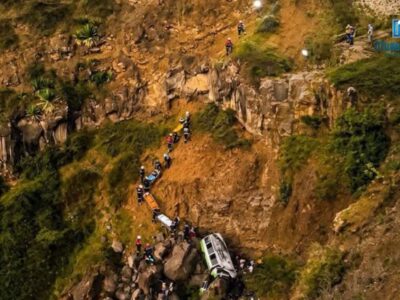
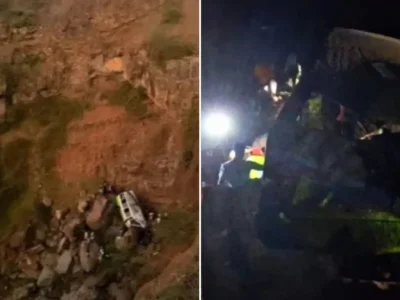
The rescue operation that followed illustrated just how difficult the crash site was to access. The bus came to rest roughly 100 feet below the road in rocky terrain, forcing emergency personnel to climb down steep ground to reach the wreckage. Responders searched the damaged passenger compartment for survivors while simultaneously beginning the recovery of those who had died. Nineteen injured passengers were eventually transported to São Francisco de Assis Regional Hospital in São Filipe, with several reportedly in serious condition. The rescue teams’ ability to reach survivors was made more difficult by the darkness and the uneven volcanic terrain. The location also meant that standard roadside rescue methods were insufficient. Victims had to be accessed in the ravine and then moved back toward the road before they could be transported for further treatment. The operation continued as authorities attempted to account for everyone who had been aboard.
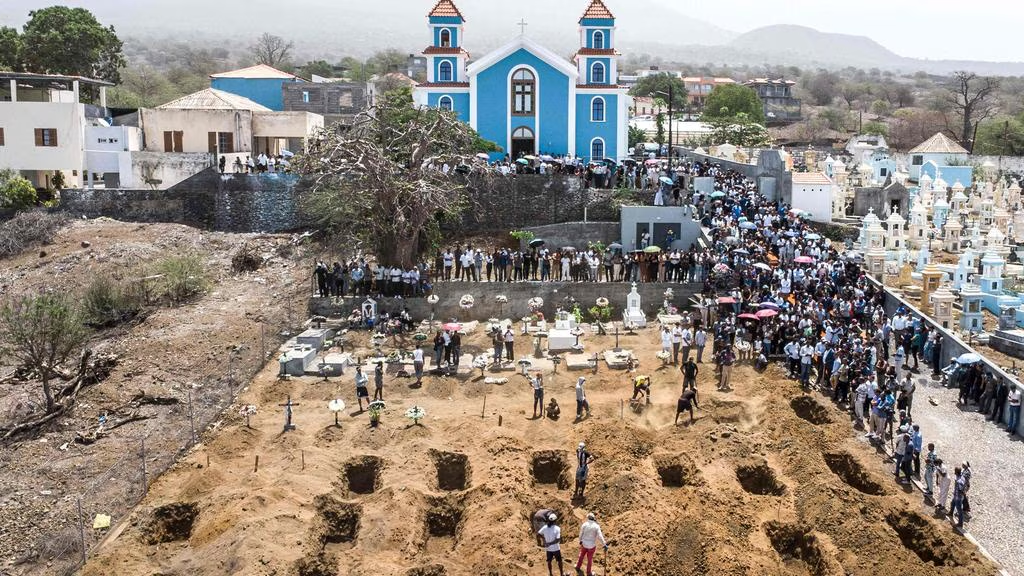
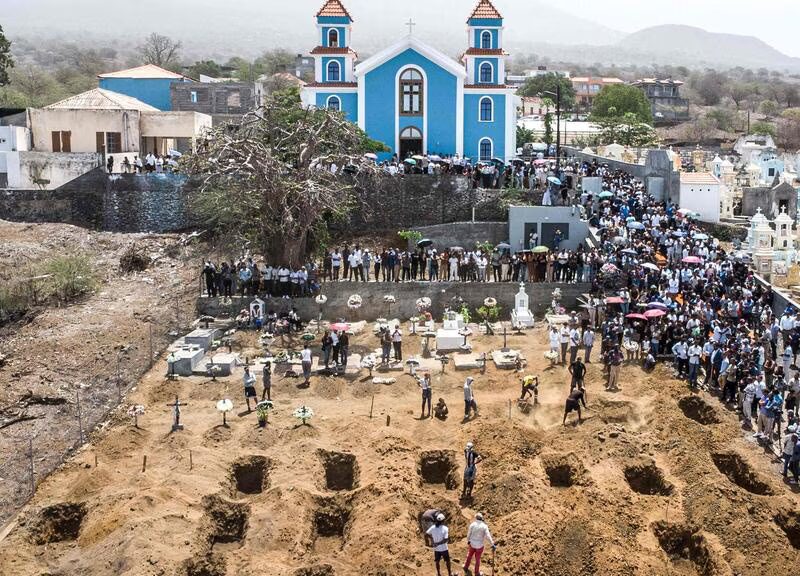
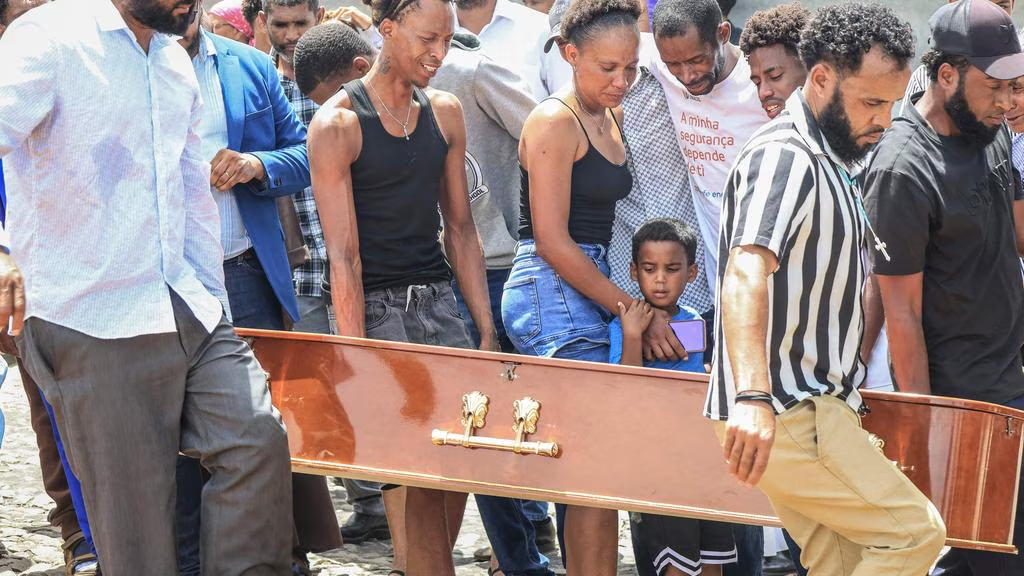
The human consequences have been devastating for Fogo Island. At least 25 people were killed, including many school-age passengers, turning what was intended to be a recreational outing into a mass-fatality disaster. Families gathered at hospitals and funeral services as authorities worked to identify victims and provide support. The Cape Verdean government declared two days of national mourning following the crash, while President José Maria Pereira Neves expressed condolences to the families. Funerals began soon afterward, with communities across Fogo coming together to remember those who died. The deaths have been especially painful because many of the victims were children and teenagers with years of life ahead of them. Survivors, meanwhile, face the physical and emotional consequences of a crash that occurred without warning during a nighttime journey.
The central mystery now is what happened in the driver’s seat during the final moments before the bus crossed the roadside boundary. Investigators must determine whether the driver attempted to brake or steer, whether a mechanical problem affected control, whether road conditions contributed, or whether another factor caused the sudden departure from the roadway. Early descriptions of the crash provide important leads but do not constitute a final reconstruction. The evidence must be carefully examined before authorities can establish responsibility or cause. What is certain is that a bus carrying approximately 32 people left a mountain road near Campanas de Cima and plunged about 30 meters into a rocky gorge, killing at least 25. As investigators reconstruct the final seconds, the answers may depend on details that are difficult to see in the darkness — the condition of the road, the state of the vehicle and, most importantly, what the driver was able to perceive and do before the bus disappeared over the edge.