Not an Official School Trip: What Happened Before a Bus Carrying Students Plunged Off a 100-Foot Cliff?
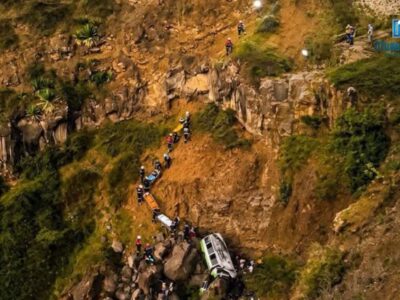
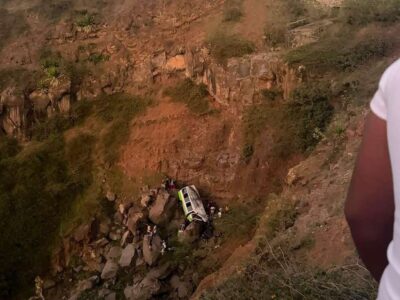
A private outing for schoolchildren ended in catastrophe on Cape Verde’s Fogo Island when a bus carrying dozens of passengers left a mountain road and plunged into a ravine, killing at least 25 people. The journey was reportedly not an official school excursion. Instead, the trip had been organized by the driver, who regularly transported some of the children to school and had arranged an annual outing to Chã das Caldeiras. The tragedy occurred as the group traveled back toward São Filipe on Saturday night, Sept. 5. Near Campanas de Cima, the bus left the roadway and fell approximately 30 meters into difficult volcanic terrain. Rescue teams faced a steep descent to reach the wreckage, while injured survivors were transported to a regional hospital. The circumstances leading to the crash remain under investigation, and authorities have not publicly confirmed claims that the bus crossed the cliff edge without braking or steering correction.
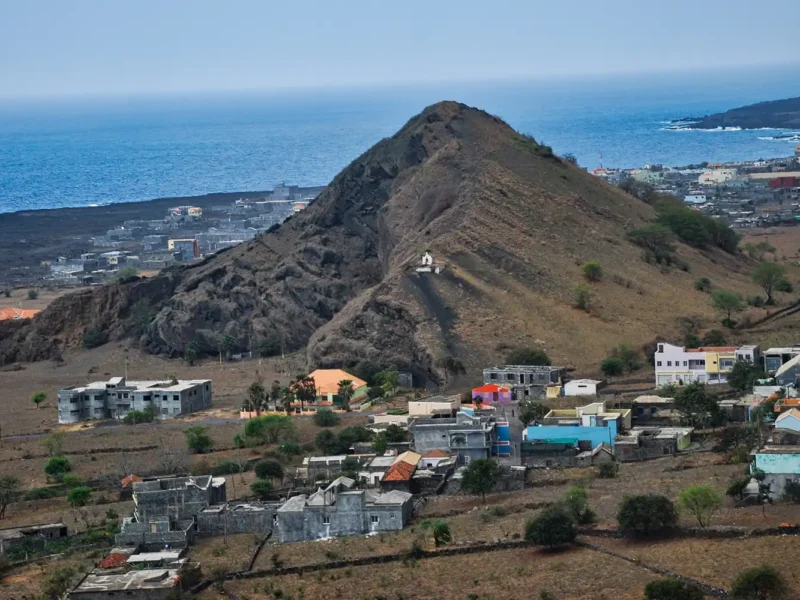
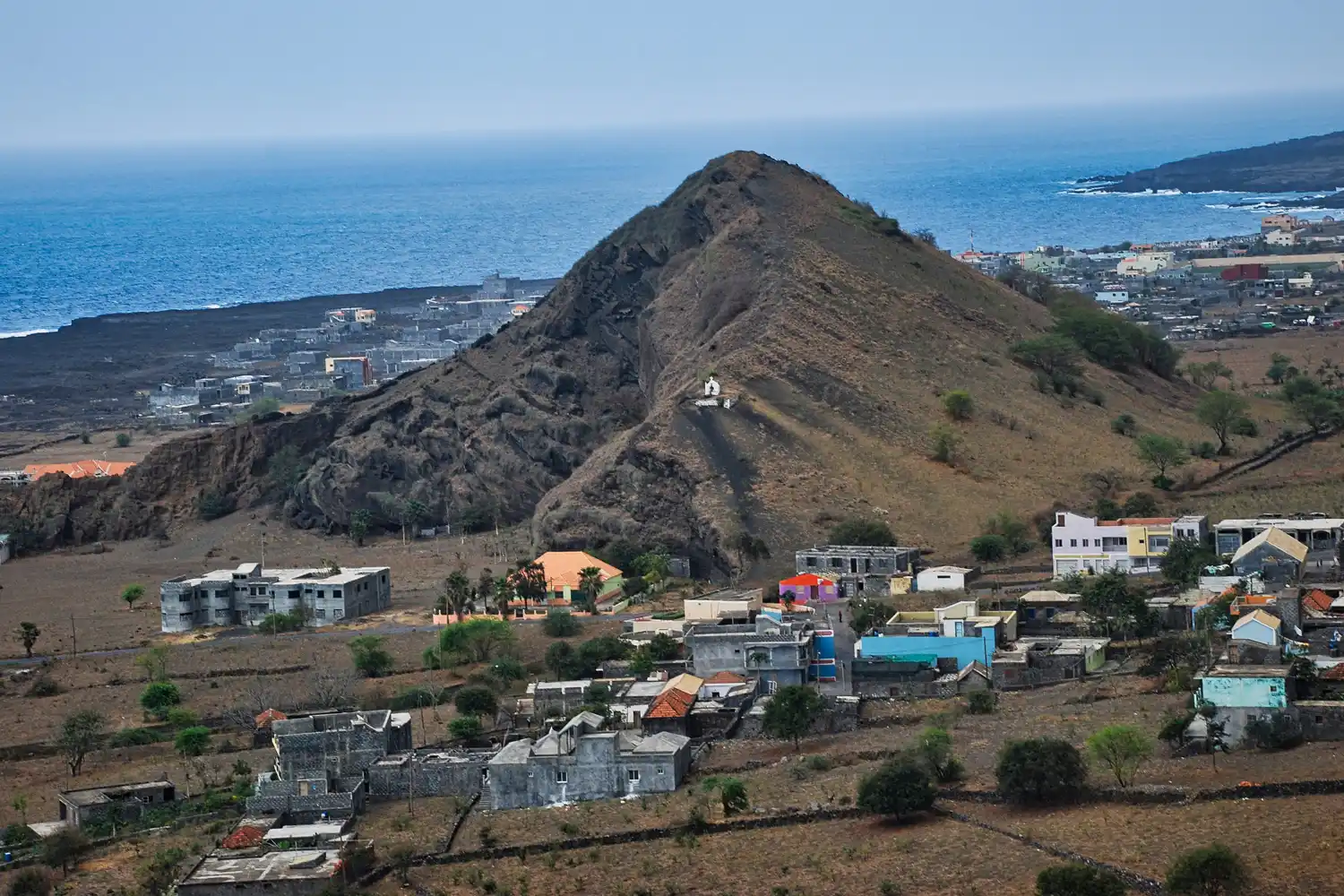
The distinction between a school-organized trip and a privately arranged outing has drawn attention because of the number of young passengers aboard the vehicle. Reports indicate that the driver personally organized the annual excursion for students he normally transported during the school year. The group traveled toward Chã das Caldeiras, a settlement located within the volcanic landscape surrounding Pico do Fogo. Such outings can be important social occasions for young people living in island communities, but the journey also placed dozens of passengers on a challenging mountain route. The return trip became fatal when the bus failed to remain on the road near Campanas de Cima. Approximately 32 people were aboard, with children and teenagers making up a substantial portion of the group. The driver was also among those killed, leaving investigators to reconstruct the final moments of the journey through physical evidence and witness accounts.
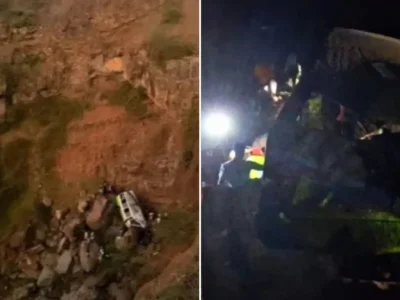
The crash site presented immediate difficulties for emergency personnel. Rather than coming to rest on a flat roadside, the bus fell roughly 100 feet into a rocky ravine below the mountain road. Responders had to descend through uneven terrain to reach the overturned vehicle and determine whether anyone had survived. The impact caused extensive damage to the bus, creating dangerous conditions for rescuers attempting to access the passenger compartment. Nineteen injured people were ultimately taken to São Francisco de Assis Regional Hospital in São Filipe, with several reportedly suffering serious injuries. Medical teams were required to treat multiple casualties while authorities worked to identify those who had died. The difficult geography meant that simply reaching the victims was itself a major part of the emergency operation. Recovery teams had to navigate the volcanic landscape before survivors could be carried or assisted back toward the roadway.
Questions about the vehicle’s movements immediately before the crash are now central to the investigation. Some accounts have described the bus as behaving unusually before leaving the roadway, while other details circulating about the final moments have not been independently confirmed by authorities. Investigators will examine whether the driver attempted to brake, whether steering corrections were made and whether tire marks or other evidence remain on the road. The absence or presence of skid marks could be significant, but such evidence must be interpreted in context. A vehicle does not necessarily leave obvious skid marks every time a driver brakes, particularly on loose gravel or uneven surfaces. Likewise, the lack of visible steering marks would not by itself establish that the driver failed to react. Investigators will need to determine whether the physical evidence is consistent with a sudden mechanical failure, loss of control, driver incapacitation or another explanation.
The condition of the road will also be closely examined. The area around Campanas de Cima includes mountainous terrain where bends and elevation changes can create difficult driving conditions. A vehicle approaching a sharp curve has limited room to recover if it loses control. Investigators are expected to examine the road surface, the geometry of the bend, the visibility available to the driver and the condition of any protective barrier. The position of the bus after the crash could help determine its trajectory as it left the roadway. Evidence from the road may also reveal whether the vehicle was traveling normally before the incident or whether something caused it to deviate unexpectedly. While descriptions of the bus going directly over the cliff have circulated, authorities have not yet released a final reconstruction establishing precisely how the vehicle crossed the roadside.

The bus itself will undergo detailed examination as investigators search for potential mechanical causes. Braking components, steering mechanisms, tires and other systems can provide evidence about whether the vehicle was functioning properly before the crash. A mechanical defect could have prevented the driver from slowing or controlling the bus, but investigators must distinguish a failure that existed before the collision from damage caused by the 100-foot fall. This is particularly important after a high-impact crash, when components can become severely damaged. Investigators will therefore compare physical findings with witness accounts and any available maintenance records. If a pre-existing defect is identified, authorities could then investigate whether it had been detected previously or whether the vehicle had received appropriate maintenance. At this stage, however, no single mechanical explanation has been officially established.
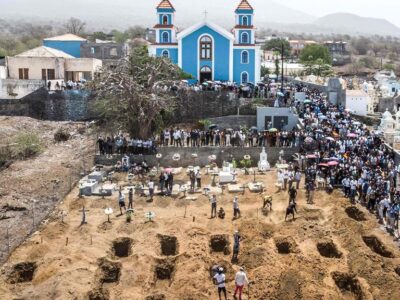
The tragedy has devastated communities across Fogo. At least 25 people lost their lives, while survivors were taken to hospital and families waited for information about those aboard the bus. The government declared two days of national mourning as funerals began for the victims. President José Maria Pereira Neves expressed condolences to relatives and described the crash as a major catastrophe. The deaths of so many young people have been particularly painful for schools and families that expected the children to return from a recreational outing. The fact that the trip was privately organized by the driver has also prompted questions about transportation arrangements and the responsibility involved when a vehicle carries a large group of minors outside normal school operations. Those broader questions may become part of discussions after investigators establish the direct cause of the crash.
For now, investigators face the difficult task of reconstructing the final seconds before the bus crossed the edge of the mountain road. Claims that there were no skid marks or steering corrections remain unverified, and the precise sequence cannot be determined solely from early accounts. Authorities will need to combine road evidence, vehicle examinations, witness testimony and other available information before reaching a conclusion. What is already known is devastating: a private nighttime outing organized for students ended when the bus left the road and fell approximately 100 feet into a rocky ravine, killing at least 25 people. Survivors are recovering from serious injuries, families are burying loved ones, and investigators are working to determine whether the disaster resulted from mechanical failure, driver error, road conditions or another unforeseen event. The answers could prove critical not only to understanding this tragedy, but also to preventing another group of young passengers from facing the same deadly journey.