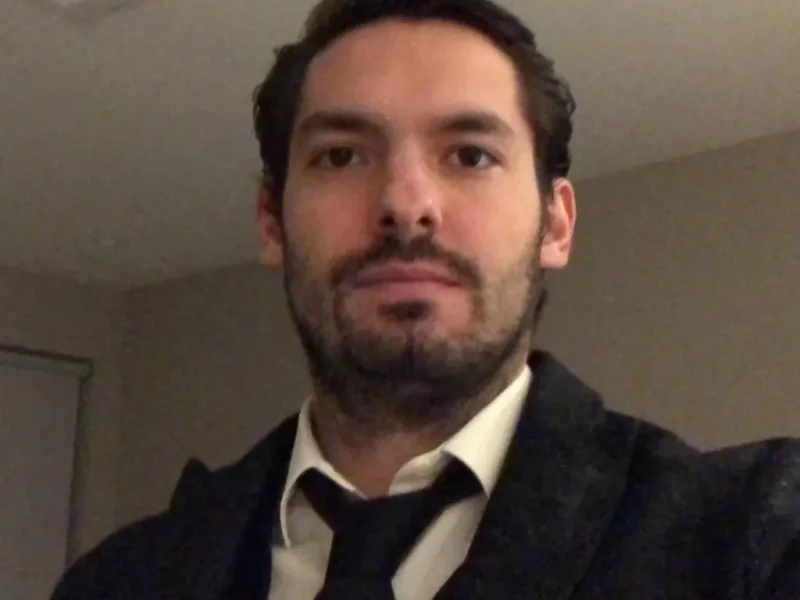
“I Was Defending Myself”: Multiple Bloody Knives Found After Miami Man Accused of Killing His Mother
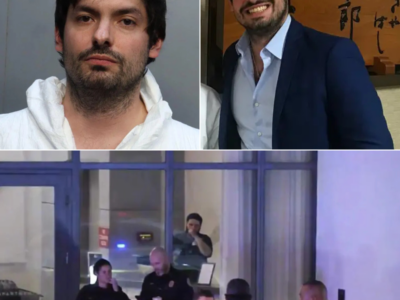
Stefano Cremasco-Cicero, 36, is accused of killing his mother inside a 47th-floor Miami apartment after a violent confrontation that left investigators examining multiple knives, broken wine bottles and extensive blood evidence. According to allegations surrounding the case, Cremasco-Cicero told police that he had been defending himself after officers found him covered in blood. His mother was discovered dead inside the apartment with multiple sharp-force injuries. The reported condition of the residence has become central to the investigation, particularly because the defendant’s account and the physical evidence must now be examined together. While investigators have described a disturbing crime scene, the available evidence does not by itself establish whether the killing was intentional or occurred during an act of lawful self-defense. Cremasco-Cicero remains presumed innocent unless proven guilty in court.
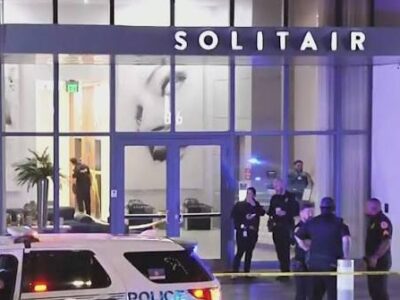
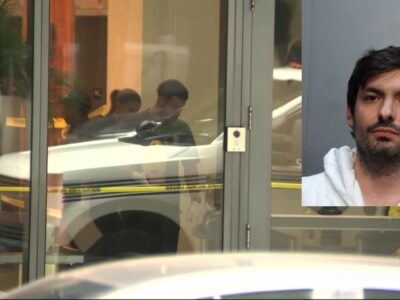
Police were called to the luxury Miami high-rise during the early morning hours following a strange encounter in the building’s lobby. Cremasco-Cicero reportedly left the apartment after the confrontation and was later found sitting in the lobby, covered in blood. A food delivery driver who arrived at the building allegedly encountered him and was asked to use his cellphone to contact 911. The emergency call led officers to the apartment, where they discovered the victim. The sequence of events provided investigators with an immediate timeline linking the lobby encounter to the condition of the residence. Detectives then began documenting the apartment and collecting evidence that could establish how the confrontation developed. The driver’s account, surveillance footage and emergency-call records may all become important as investigators attempt to establish exactly what happened during the minutes surrounding the alleged killing.
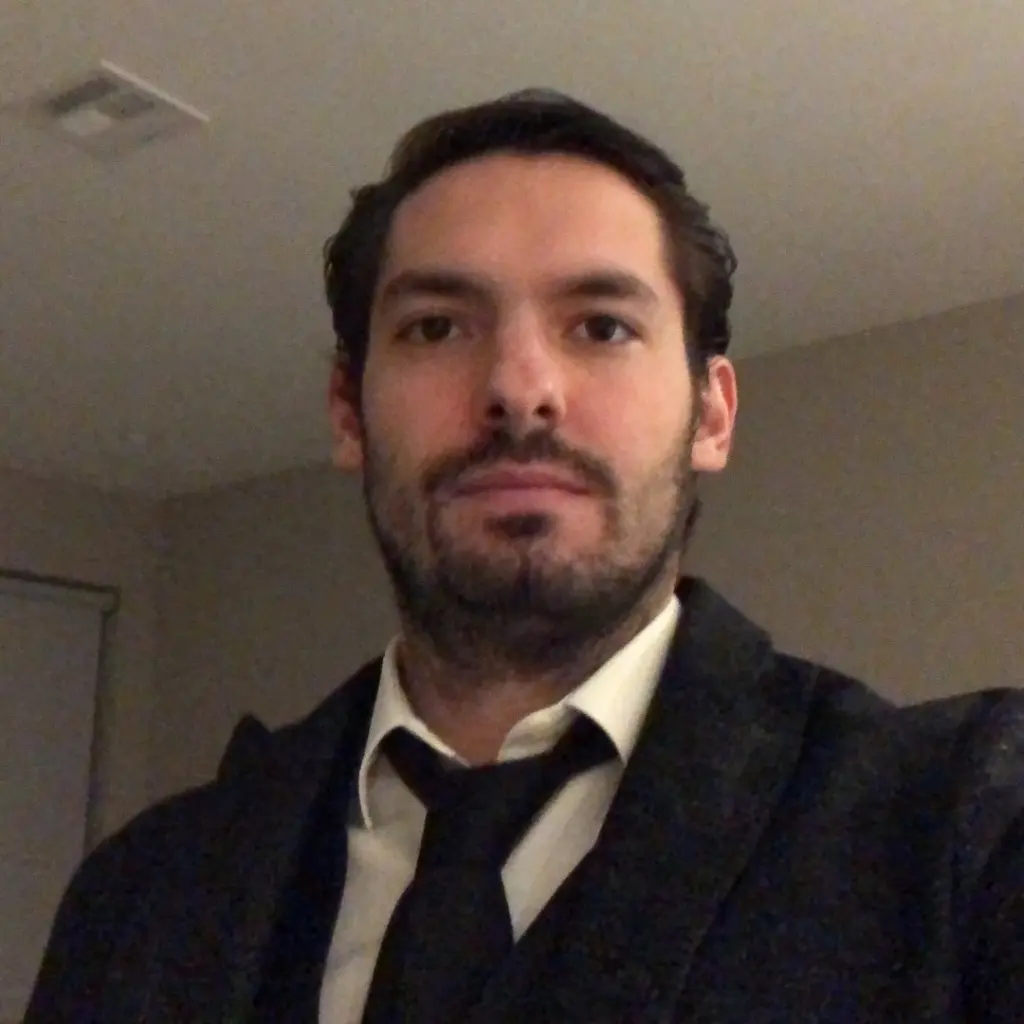
Inside the apartment, investigators reportedly found several kitchen knives covered in blood along with shattered wine bottles. The presence of multiple potential weapons has raised questions about the sequence of the confrontation and whether the violence moved through different areas of the residence. Investigators can examine the location of each object, fingerprints, DNA and blood patterns to determine how the items may have been used. Broken glass could indicate that a physical struggle occurred, although it does not by itself establish who initiated the confrontation. Similarly, the discovery of several knives does not automatically prove that each weapon was used in the killing. Forensic specialists must determine which objects contain relevant biological evidence and whether that evidence is consistent with the injuries suffered by the victim. Those findings could help establish whether the scene supports the defendant’s account of a struggle or suggests a different sequence of events.
The victim reportedly suffered numerous sharp-force injuries, making the medical examination a crucial part of the investigation. A forensic pathologist can determine the number, location and nature of wounds and establish the medical cause of death. Those findings can then be compared with the physical evidence recovered from the apartment. In a case involving a self-defense claim, investigators will closely examine whether the injuries are consistent with the circumstances described by the defendant. The question is not simply whether a person was injured, but whether the force used was reasonably necessary under the circumstances. The number and severity of injuries may become relevant, but they cannot be interpreted in isolation. Prosecutors and defense attorneys will ultimately present competing interpretations of the forensic evidence if the case proceeds to trial.
Cremasco-Cicero’s reported statement that he was “defending himself” places his mental state and perception of danger at the center of the case. A self-defense claim generally requires an examination of whether the accused reasonably believed that he faced an imminent threat of death or serious physical injury. Investigators will therefore seek evidence concerning what happened immediately before the stabbing. They may interview neighbors, relatives and anyone who knew the mother and son. Phone records and messages could reveal communications leading up to the confrontation, while building surveillance may establish movements in the hours before and after the incident. The defendant’s own statements will also be examined for consistency with the physical evidence. None of these factors alone determines whether self-defense applies, but together they can help establish the circumstances in which the fatal violence occurred.
The apartment’s location on the 47th floor could provide investigators with extensive surveillance and access records. Cameras in elevators, hallways and building entrances may help establish when Cremasco-Cicero left the residence and when the delivery driver entered the building. Electronic access records could potentially provide additional timestamps. Investigators may compare those records with the emergency call and the physical evidence found inside the apartment. If surveillance footage shows the defendant entering the lobby shortly before the 911 call, it could corroborate the reported sequence of events. However, surveillance cannot necessarily reveal what happened inside a private apartment. That portion of the investigation will depend primarily on forensic evidence and testimony from people who had knowledge of the relationship or events preceding the confrontation.
The reported discovery of multiple bloodied knives and shattered bottles has generated considerable public interest, but investigators must distinguish dramatic crime-scene details from evidence capable of proving criminal intent. A chaotic scene can be consistent with a prolonged struggle, but it can also result from other circumstances. The central issue remains the sequence of events. Detectives must determine who introduced the weapons, how the confrontation began and whether Cremasco-Cicero continued using force after any immediate threat had ended. Those questions could have significant legal consequences. If evidence supports the claim that he was responding to an imminent threat, the defense could argue that his actions were justified. If prosecutors establish that the force was unnecessary or continued after the threat had ended, they could challenge the self-defense argument. At this stage, the competing interpretations remain unresolved.
The case has also attracted attention because of the reported aftermath in the building’s lobby. The food delivery driver allegedly became an unexpected witness after Cremasco-Cicero approached her and asked her to contact emergency services. For the driver, what began as an ordinary delivery reportedly became an encounter with a blood-covered man moments after a fatal incident. Her account could prove valuable because it describes the defendant’s condition and behavior shortly after the confrontation. Investigators can compare her statement with the emergency dispatch recording, surveillance footage and other evidence. The fact that the emergency call was made so soon after the alleged killing could also help investigators establish the timeline. However, the lobby encounter does not by itself resolve the question of what happened inside the apartment.
The investigation now centers on whether the evidence supports the claim that Cremasco-Cicero acted in self-defense or whether prosecutors will allege that he unlawfully killed his mother. The multiple knives, broken wine bottles and extensive injuries provide investigators with substantial forensic material, but none can independently establish intent. The complete picture will depend on medical findings, blood-pattern analysis, DNA evidence, surveillance footage, witness statements and the defendant’s own account. Until those issues are resolved through the legal process, allegations surrounding the killing should not be treated as proven facts. Cremasco-Cicero remains entitled to the presumption of innocence. What investigators must ultimately determine is what happened during the confrontation inside the 47th-floor apartment — and whether the blood covering the accused man’s clothing was the aftermath of an unlawful killing or evidence of a violent struggle in which he genuinely believed he was fighting for his life.