Man Accused of Killing Mother Allegedly Asked Food Delivery Driver to Call 911 in 4:40 a.m. Lobby Encounter
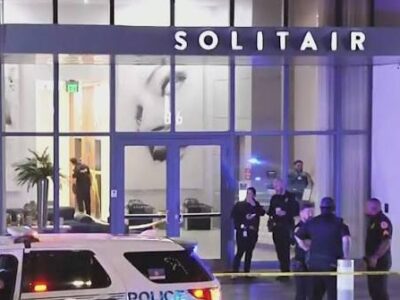
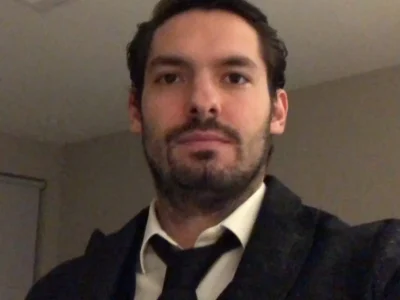
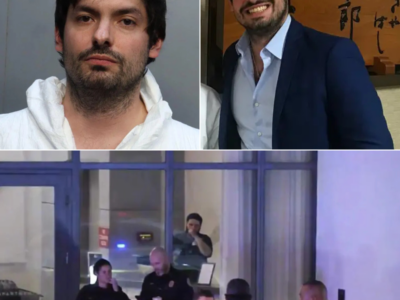
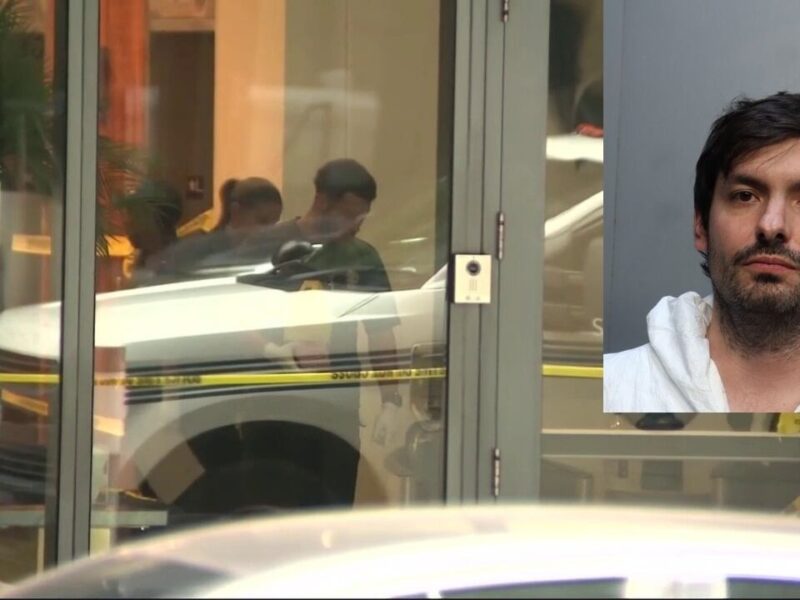
A 36-year-old Miami man accused of fatally stabbing his mother allegedly left his high-rise apartment in the early hours of the morning and approached a food delivery driver in the building’s lobby, asking her to contact emergency services, according to the allegations surrounding the case. Stefano Cremasco-Cicero has been accused of killing his mother inside the luxury apartment before reportedly appearing in the lobby at around 4:40 a.m. A delivery worker who had arrived at the building was allegedly handed a blood-covered cellphone and asked to call 911. The unusual encounter became a significant part of the police response, as officers were subsequently directed to the apartment where the woman’s body was discovered. Cremasco-Cicero has reportedly maintained that he acted in self-defense, leaving investigators and prosecutors to determine what happened inside the residence before the lobby encounter.
The alleged incident unfolded in a Miami high-rise during the early morning hours, when most residents would have been asleep. Police were alerted after the delivery driver encountered Cremasco-Cicero in the building’s lobby. According to reports, he was sitting on a couch and appeared to be covered in blood. Rather than making the emergency call himself, he allegedly gave the driver his cellphone and asked her to speak with 911 operators. The driver reportedly described the disturbing encounter to emergency dispatchers, prompting police to respond to the building. The details of the call and the driver’s account could become important evidence because they may provide a contemporaneous record of Cremasco-Cicero’s condition and statements shortly after the alleged confrontation. Investigators will also be able to examine building surveillance footage and electronic records to establish how he moved from the apartment to the lobby.
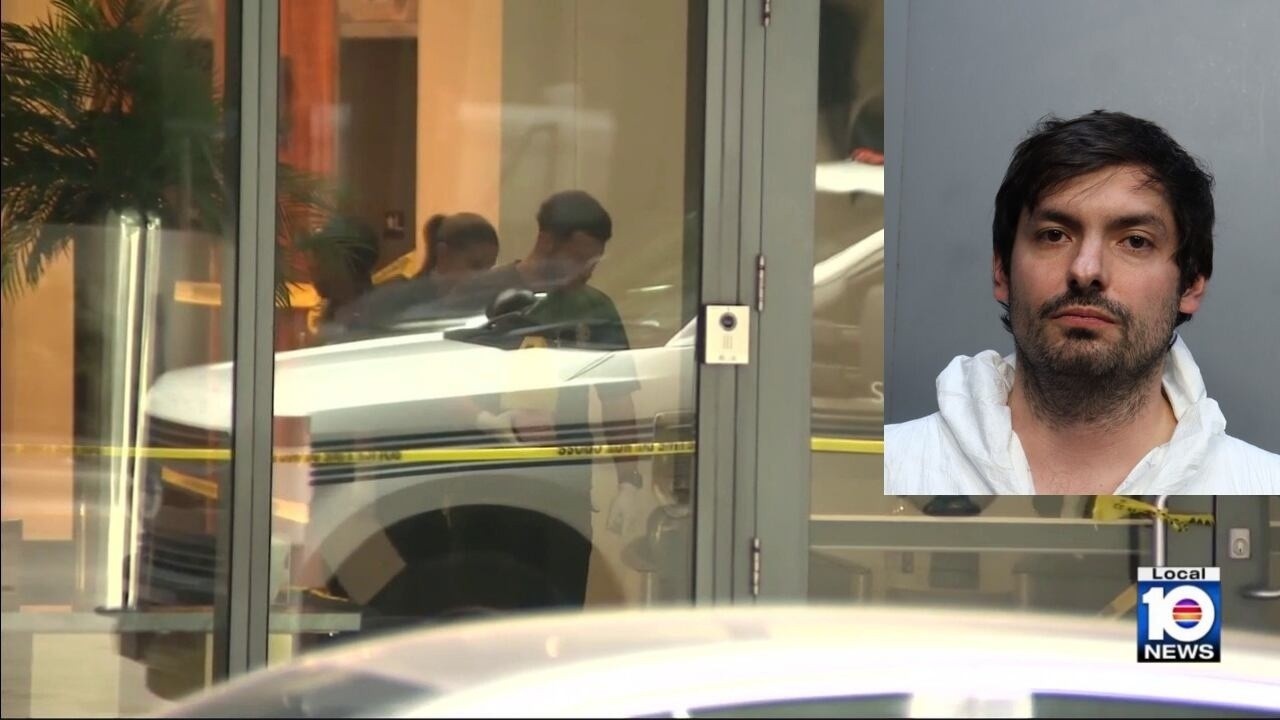
When officers arrived, they reportedly found evidence of a violent confrontation inside the apartment. Cremasco-Cicero’s mother had sustained multiple sharp-force injuries and was found dead. Investigators also documented blood throughout portions of the residence and recovered knives and broken wine bottles. The condition of the apartment suggested that a struggle may have occurred, although investigators must determine precisely how the violence unfolded. The presence of multiple objects capable of causing injury does not automatically establish which person used them or why. Forensic specialists can examine blood patterns, fingerprints, DNA and other evidence to reconstruct the sequence of events. The victim’s injuries will also be analyzed through a medical examination to establish the cause and manner of death. Those findings could become critical as prosecutors evaluate the defendant’s claim that he was protecting himself.
The self-defense argument is expected to be one of the most important issues in the case. Cremasco-Cicero has reportedly told investigators that he acted because he believed he was defending himself. Such a claim requires authorities to examine the circumstances immediately before deadly force was used. Investigators will need to establish whether the victim allegedly posed an imminent threat, whether the defendant had an opportunity to retreat or disengage and whether the force used was legally justified under the circumstances. The physical evidence inside the apartment could either support or challenge his account. The exact number and location of injuries, the position of the weapons and the movement of blood through the residence may all help establish the sequence. Prosecutors will ultimately have to determine whether the evidence supports a lawful self-defense theory or an unlawful killing.
The lobby encounter could provide investigators with another important piece of the timeline. A delivery driver who had no apparent connection to the family was reportedly the person who contacted emergency services after encountering Cremasco-Cicero. Her account could help establish what he looked like, what he said and what condition he appeared to be in at approximately 4:40 a.m. If building surveillance footage exists, investigators could compare the recording with her account and determine exactly when he left the apartment and entered the lobby. Elevator records could potentially establish how quickly he traveled between floors. Such information can be particularly useful in homicide investigations because it creates an independent chronology that can be compared with forensic evidence from the apartment.
The cellphone itself may also become significant. If Cremasco-Cicero handed his phone to the delivery driver to make the emergency call, investigators may examine the device’s call history, messages and other digital records. A phone can provide timestamps that help establish when events occurred, although the existence of a call or message does not necessarily reveal what was happening physically at the time. Investigators may also examine whether the defendant attempted to contact anyone before or after the alleged killing. Digital evidence could help establish his movements and communications during the critical period surrounding the confrontation. As with all evidence in the case, however, individual records must be interpreted in context rather than treated as conclusive proof of intent.
The high-rise setting may give investigators access to additional surveillance and access-control evidence. Modern residential buildings often maintain cameras in entrances, elevators and common areas, potentially creating a detailed record of a resident’s movements. Investigators may review footage from the lobby, elevators and hallways to determine whether Cremasco-Cicero was alone and whether anyone else entered or exited the apartment during the relevant period. They could also examine records showing when the delivery driver entered the building. These details may help confirm the timing of the reported 4:40 a.m. encounter. If the surveillance footage captures Cremasco-Cicero carrying or displaying blood on his clothing, it could corroborate portions of the delivery driver’s account, although it would not by itself establish what happened inside the apartment.
The allegations have attracted attention partly because of the unusual sequence described by investigators: a fatal confrontation inside a luxury Miami residence, followed by the accused man’s appearance in a public lobby and an encounter with an unrelated delivery worker. For the delivery driver, the incident reportedly transformed an ordinary early-morning assignment into an unexpected emergency. Her alleged decision to contact 911 placed the investigation in motion and directed officers toward the apartment. The case also highlights the importance of immediate witnesses in criminal investigations. People who encounter a suspect shortly after an alleged crime can sometimes provide investigators with observations that would otherwise be difficult to obtain. Their statements, however, must still be corroborated with physical and digital evidence.
The investigation will now turn on what happened before and during the confrontation inside the apartment. Cremasco-Cicero faces allegations that he killed his mother, while his reported claim of self-defense provides a fundamentally different account of the incident. Investigators will examine the crime scene, forensic findings, surveillance footage, phone records and witness statements to determine which version is supported by the evidence. The delivery driver’s reported 4:40 a.m. encounter may help establish the moments immediately after the alleged killing, but it cannot by itself explain what happened beforehand. Until the evidence is tested in court, Cremasco-Cicero remains presumed innocent. What investigators must ultimately establish is whether the blood-covered man who appeared in the lobby was a person who had just committed an unlawful killing or someone who had emerged from a violent confrontation believing he had acted to save his own life.