At Least 25 Killed as Bus Carrying Schoolchildren Plunges 100 Feet Into Rocky Ravine in Cape Verde
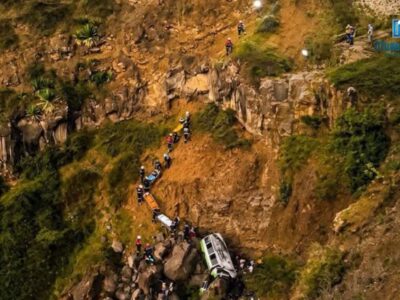
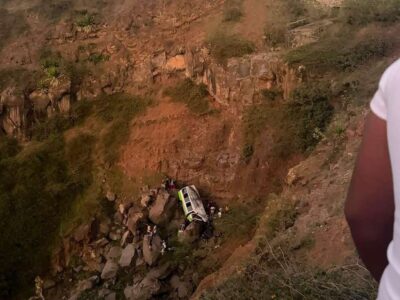
At least 25 people, many of them children and teenagers, were killed after a passenger bus plunged roughly 100 feet into a steep ravine on Cape Verde’s Fogo Island, turning an annual outing into one of the country’s deadliest recent road tragedies. The crash happened late Saturday, Sept. 5, on a mountainous route near Campanas de Cima in northern Fogo, when the bus veered off the road and fell approximately 30 meters into difficult, rocky terrain. Local officials said the vehicle was carrying about 32 people, with many of the passengers identified as primary and secondary school students. The bus driver was also among those killed. Several other passengers survived but suffered injuries, some of them serious. The disaster has prompted a national outpouring of grief as authorities work to recover victims, determine exactly how the crash happened and support families facing an overwhelming loss.
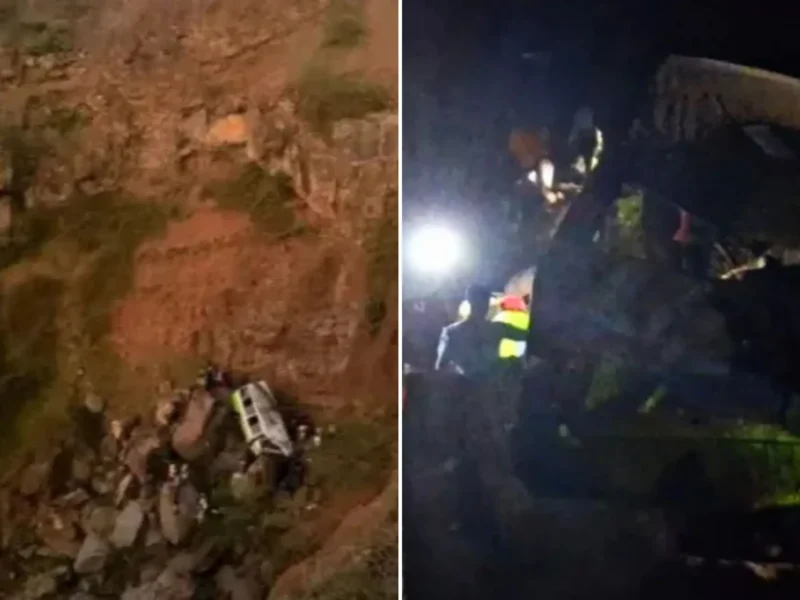
The bus was returning toward São Filipe after an excursion to Chã das Caldeiras, a community located inside the volcanic crater area of Pico do Fogo. According to education officials, the trip was not an official school excursion. Instead, it was an annual outing privately organized by the driver, who had reportedly arranged the journey as a gift for students he normally transported to school during the academic year. The group was traveling along the Campanas de Cima route when the vehicle suddenly left the mountain road and plunged into the ravine. The location presented immediate challenges for emergency personnel because the wreckage came to rest in a rocky valley that was difficult to access from the road above. The steep terrain meant rescuers could not simply reach the bus using conventional roadside equipment, forcing emergency teams to work through difficult conditions as they searched for survivors and recovered those trapped in or around the wreckage.

Rescue operations continued through the night as emergency workers attempted to reach passengers in the ravine. The severity of the fall and the rugged landscape complicated the response, with victims needing to be brought out of an area far below the road. Local medical officials said injured passengers began arriving at São Francisco de Assis Regional Hospital in São Filipe between approximately 11 p.m. and midnight. Nineteen injured people were reportedly transported to the regional hospital, with several requiring significant medical attention. Four patients were reported to be in serious condition. The hospital became a central point for treating survivors while authorities worked to identify the deceased and coordinate assistance for relatives. The scale of the tragedy also meant that local emergency resources were placed under considerable pressure. Rescue teams had to balance the difficult recovery operation with the urgent need to provide medical treatment to those who had survived the crash.
The accident has been especially devastating because so many of those aboard were young people. Initial reports described the passengers as mostly students and teenagers, although authorities continued working to establish the identities and exact ages of those involved. The deaths have deeply affected communities connected to the students, many of whom had been looking forward to an annual trip that was intended to be a positive experience. Instead, families were confronted with emergency calls, hospital visits and the devastating task of identifying loved ones. Funerals began taking place on Sunday as relatives, residents and officials gathered to mourn. Images from the island showed coffins being displayed during religious services, reflecting the scale of the loss. Seven victims were reportedly buried earlier Sunday, with additional funerals expected later. The scenes underscored how quickly an ordinary weekend outing had turned into a mass-casualty disaster affecting multiple families and communities across Fogo.
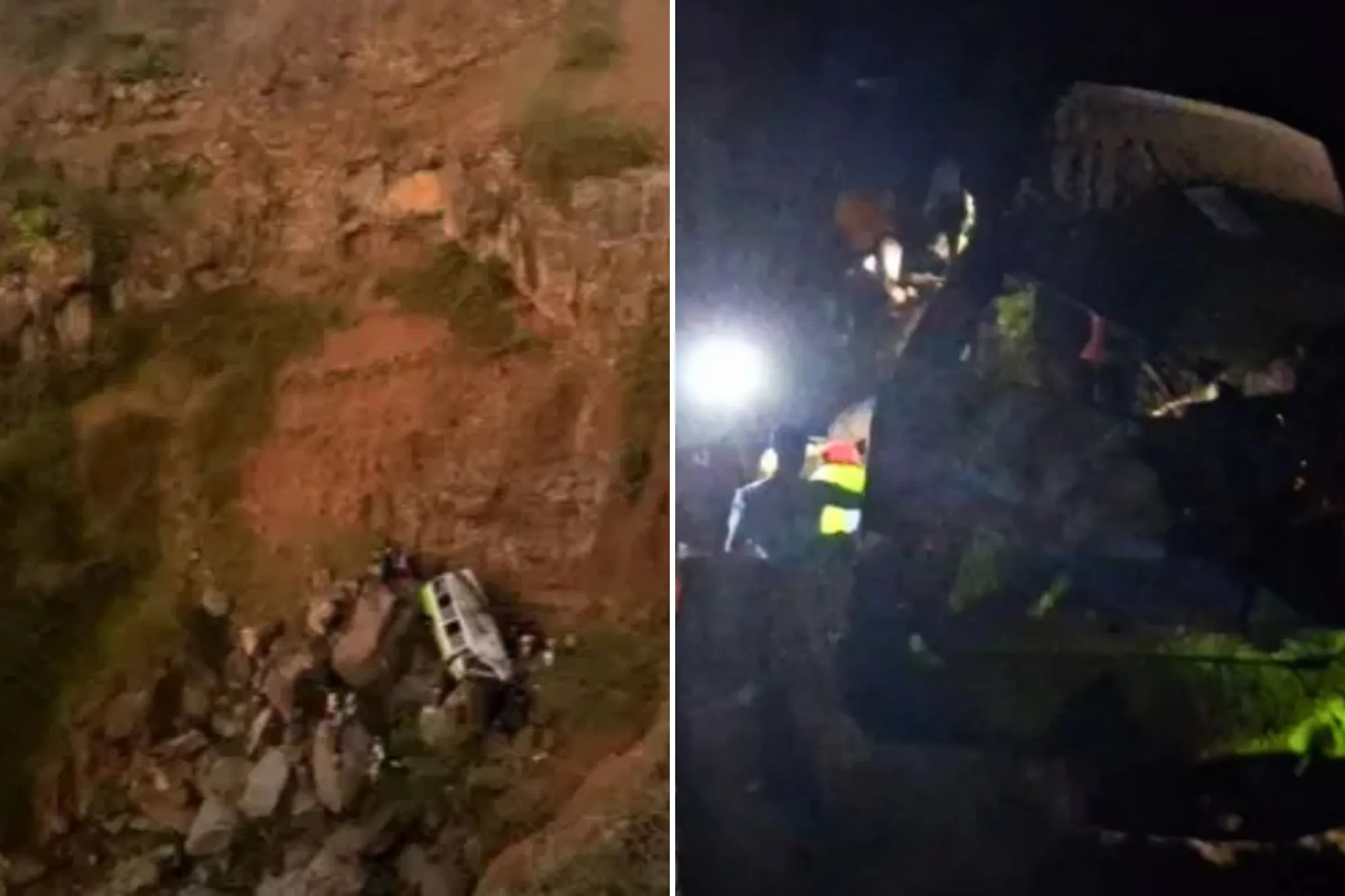
Authorities have not yet established the precise cause of the crash. Investigators are expected to examine the condition of the road, the bus and its mechanical systems, as well as the driver’s actions immediately before the vehicle left the roadway. Any available evidence from the crash scene could become important in determining whether the bus suffered a mechanical problem, whether road conditions played a role or whether another factor caused the driver to lose control. While descriptions of the vehicle suddenly veering from the road have emerged, officials have not publicly assigned blame or confirmed a specific explanation. Accident reconstruction will therefore be necessary before a definitive account can be provided. The mountainous setting and steep drop are likely to make that examination particularly important, as investigators work to reconstruct the vehicle’s trajectory and understand how it crossed the roadside boundary.
The tragedy has prompted an official response from Cape Verdean authorities, with the government declaring two days of national mourning. President José Maria Pereira Neves described the crash as a great catastrophe and expressed condolences to the victims’ families. Government officials and local leaders attended religious services as the island began mourning the dead. The response has also highlighted the close-knit nature of communities on Fogo, where a large-scale accident involving schoolchildren has affected residents far beyond the immediate families. Local authorities have been coordinating emergency assistance and support for those who lost relatives, while medical teams continue caring for injured survivors. The national mourning period provides an opportunity for the country to recognize the scale of the tragedy as investigators begin the difficult process of determining exactly what happened on the mountain road.
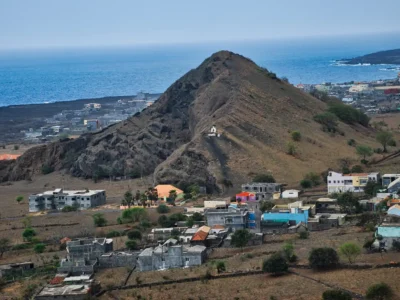
The crash also raises broader concerns about transportation safety on mountainous roads, although officials have not indicated that road conditions or vehicle maintenance caused this particular incident. Fogo is a volcanic island characterized by steep landscapes and roads that can wind through challenging terrain. The route involved in Saturday’s crash runs through an area where a vehicle leaving the roadway can quickly descend into a deep valley. That geography significantly complicated the emergency response and recovery effort. Officials have emphasized that an investigation will be needed before conclusions can be reached. Until investigators complete their work, theories about braking problems, driver error or other potential causes remain unconfirmed. What is known is that the bus was carrying dozens of people, many of them young students, when it left the road and fell approximately 30 meters into a ravine.
For the families of the victims, however, the investigation can do little to lessen the immediate pain. At least 25 lives were lost in a matter of moments, including the driver who had organized the annual outing. Survivors remain hospitalized, while relatives and friends gather for funerals across Fogo. The government’s declaration of national mourning reflects the extraordinary impact of the disaster, while emergency personnel and investigators continue working at the crash site and hospitals. As officials seek answers, the focus remains on identifying those who died, caring for those who survived and supporting families through the aftermath. The final cause of the crash has yet to be determined, but the human toll is already clear: a routine journey from a schoolchildren’s outing ended with dozens of families facing a devastating loss, leaving Fogo Island and Cape Verde mourning at least 25 victims of a tragedy that unfolded on one of the island’s most difficult mountain roads.