“Screaming or Singing?” Keyla Richardson’s Polarizing Performance Splits Viewers
A single moment on American Idol is fueling one of the most divided reactions of the season, after Keyla Richardson delivered a performance that has sparked intense debate online. While many viewers praised the emotional intensity of her delivery, others questioned whether a key section of the song crossed the line from controlled expression into vocal strain.
At the center of the discussion is a mid-song passage where Richardson pushed into a more aggressive vocal tone. For supporters, this moment represents a deliberate artistic choice—an attempt to heighten emotional impact and convey urgency within the song. They argue that the shift added depth and authenticity, turning the performance into something raw and memorable rather than technically predictable.
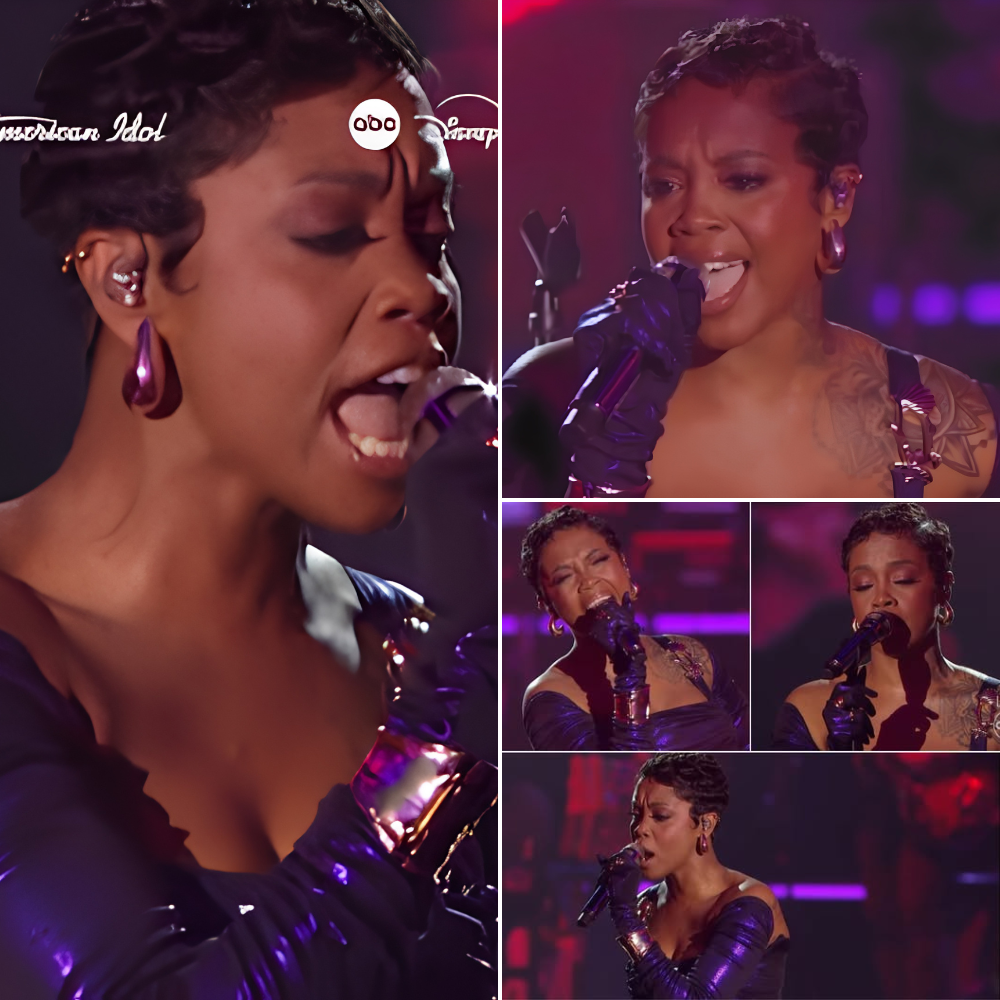
Critics, however, have interpreted the same moment differently. Some viewers suggest that the transition lacked control, pointing to what they describe as a break in vocal consistency. In a competition where precision is often emphasized, even brief deviations can influence perception, particularly among audiences who prioritize technical execution over emotional intensity.
The split reaction highlights a broader tension within performance-based competitions: the balance between control and expression. Richardson has built her reputation on powerful vocals and high-impact moments, qualities that naturally involve risk. Pushing boundaries can elevate a performance, but it can also expose vulnerabilities if not executed cleanly. In this case, the performance appears to sit directly on that line, making it a focal point for debate.
Judges’ feedback has reflected elements of both perspectives. While acknowledging the emotional weight of the performance, comments also touched on the importance of maintaining control throughout demanding passages. This dual response has further fueled discussion, as viewers interpret the critique through their own expectations of what defines a strong performance.
Online engagement has amplified the divide. Clips of the moment are being shared widely, often accompanied by contrasting captions—some celebrating it as a standout highlight, others framing it as a misstep. The volume of discussion suggests that, regardless of interpretation, the performance has succeeded in capturing attention, a factor that can be significant in a competition driven by audience voting.
Industry observers note that polarizing moments are not uncommon at this stage of the competition. As contestants push to differentiate themselves, performances often become more daring, increasing the likelihood of mixed reactions. In some cases, this type of visibility can work to a contestant’s advantage, keeping them at the center of conversation even when opinions differ.
As the season moves toward its conclusion, the impact of this performance will depend on how viewers ultimately interpret it. Whether seen as a bold artistic statement or a lapse in control, it has undeniably shifted the conversation around Richardson. The question now is not just how she performed—but how the audience chooses to define what they heard.