Four Family Members Killed in Fiery Plane Crash on Way to Airshow
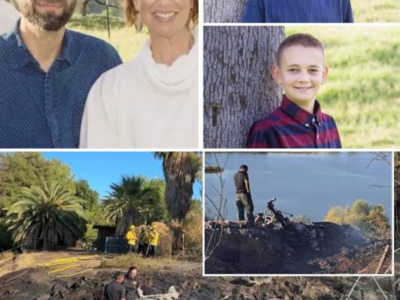
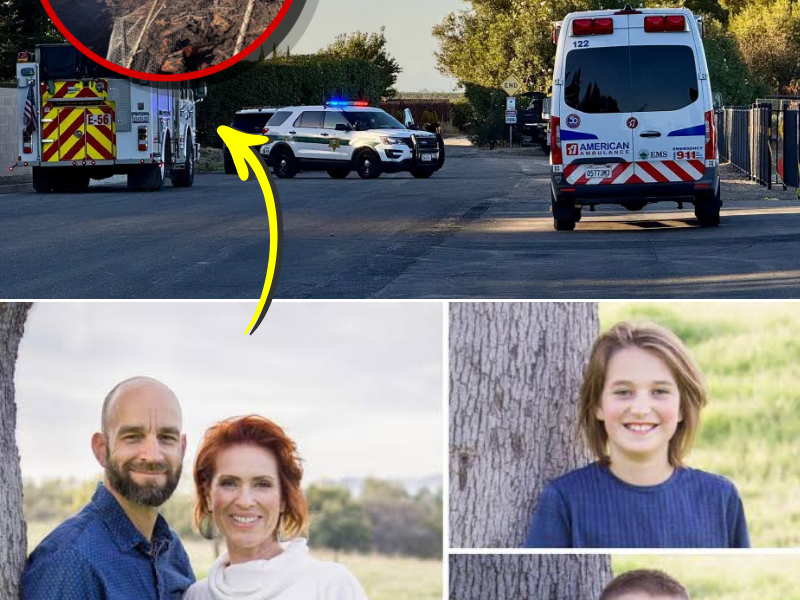
A family trip to an airshow ended in tragedy when a single-engine aircraft crashed near the San Joaquin River, killing flight instructor Danna Eady, her husband Craig Eady and their two sons, Pavel, 10, and Remus, 13. The aircraft reportedly plunged onto a bluff during the flight, creating a fiery wreckage scene that prompted a major emergency response. Federal investigators were called to the crash site as authorities worked to secure the area, document the wreckage and determine what caused the aircraft to lose control.
The journey had reportedly been planned as a family outing, making the crash particularly devastating for relatives and friends. Danna Eady was described as an experienced flight instructor, adding another layer of uncertainty to the circumstances surrounding the accident. Her professional aviation background meant she was familiar with aircraft operations and emergency procedures. Investigators, however, will examine the evidence without assuming that experience ruled out any particular cause. Mechanical problems, weather, operational factors and sudden emergencies can affect even experienced pilots, and the aircraft’s final moments will need to be reconstructed from physical and electronic evidence.
The crash site near the San Joaquin River presented investigators with a difficult scene. The aircraft reportedly struck a bluff and caught fire, leaving wreckage scattered across the surrounding terrain. Emergency crews first had to address the immediate dangers associated with the crash before investigators could begin their detailed examination. A secured perimeter is standard after a serious aviation accident because wreckage, fuel and damaged components can create hazards while also preserving evidence. Investigators may document the position of every major component before removing anything from the site.
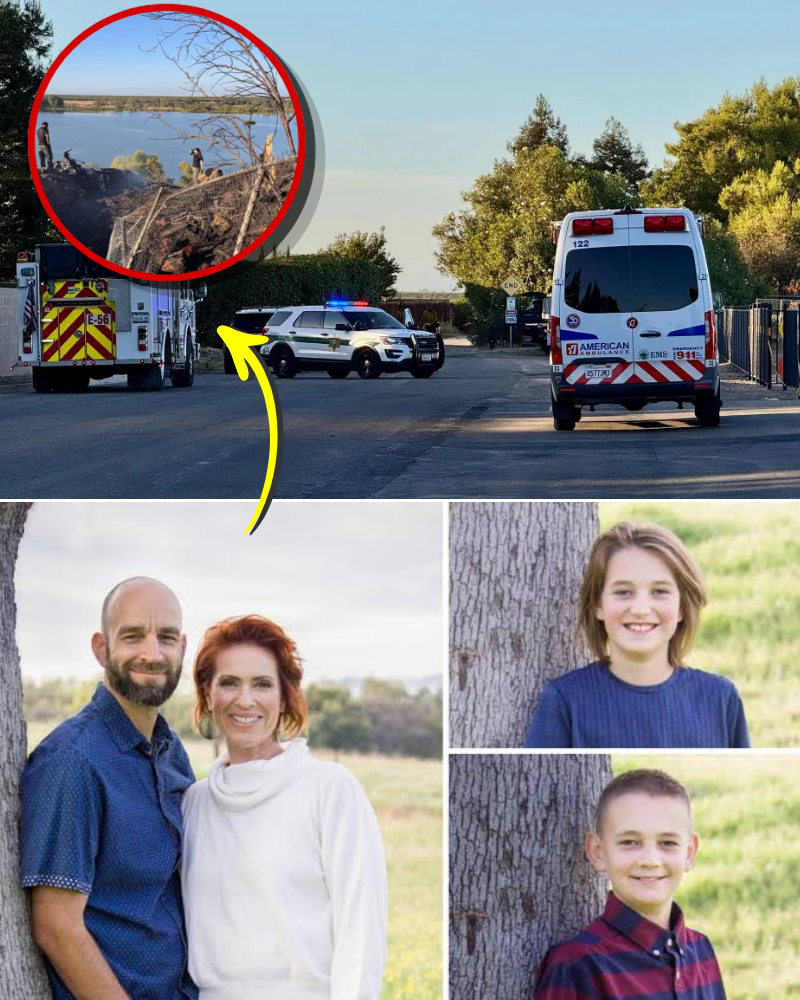
The reported debris field could become an important part of the investigation. When aircraft components are discovered some distance from the primary impact site, investigators examine their condition and location to determine how they became separated from the aircraft. A wide debris field can result from a high-energy impact, fire, terrain or structural separation, and does not automatically establish that the aircraft broke apart in mid-air. Specialists must determine whether individual components separated before impact or were torn away when the aircraft struck the ground.
That distinction is particularly important when considering the possibility of an in-flight structural failure. If investigators discover evidence that a major component separated before the aircraft reached the bluff, they would examine fracture surfaces and deformation patterns for signs of pre-impact failure. Metal fatigue, corrosion, overstress or damage from another event can sometimes leave identifiable characteristics. Conversely, components damaged only during the impact may initially appear to have failed before the crash. Investigators therefore use detailed metallurgical and engineering analysis before determining whether a structural failure occurred.
The aircraft’s flight path will also be reconstructed. Radar information, available flight-tracking data and other electronic records can potentially show the aircraft’s altitude, speed and direction during the final portion of the flight. If the aircraft suddenly changed altitude or heading, investigators can compare those movements with the aircraft’s condition and the pilot’s expected route. Any abrupt deviation could be consistent with an emergency, but it could also have other explanations. The goal is to establish a timeline that connects the aircraft’s normal flight with its final descent.
The aircraft’s engine and flight-control systems will likely receive extensive examination. Investigators can inspect the engine for evidence of mechanical failure and determine whether damage occurred before or during impact. The propeller can also provide clues about whether the engine was producing power when the aircraft struck the ground. Flight-control components, including cables and control surfaces, can be examined for separation or malfunction. Investigators may also inspect the fuel system, electrical components and other critical systems.
Because Danna Eady was reportedly an experienced flight instructor, investigators may also review her aviation background and the aircraft’s maintenance history. Her qualifications could establish what types of aircraft she was authorized to operate and how much recent experience she had. Maintenance records can show whether inspections and repairs were completed and whether previous mechanical issues had been documented. These records are particularly important when investigators are considering whether an equipment failure may have contributed to a fatal accident.
Weather conditions around the time of the flight will also be examined. Wind, visibility, temperature and other atmospheric conditions can affect aircraft performance and pilot workload. Investigators may obtain official weather observations from the area and compare them with the aircraft’s route. If there were significant changes in wind or visibility, specialists could determine whether those conditions were relevant to the aircraft’s trajectory. Weather alone, however, would not establish the cause without evidence showing how it affected the aircraft.
The family’s intended destination may also provide context for the flight. Airshows can attract significant aviation traffic, although there is no established evidence that another aircraft was involved in this crash. Investigators may review air-traffic-control communications and radar records to determine whether other aircraft were operating nearby. They could also establish whether the Eady family’s aircraft had received any instructions or made any unusual communications before the crash. Such information can help investigators understand what was happening in the cockpit during the final minutes.
The presence of fire can complicate an aviation investigation. Heat can destroy or severely damage components that might otherwise contain useful evidence. Investigators may therefore prioritize areas of the wreckage that remain intact and look for information preserved in electronic equipment. Depending on the aircraft, navigation devices or other systems may contain records of the flight. Even partial data can help establish altitude, speed or direction immediately before the accident.
The condition and location of the wreckage may also reveal the sequence of the crash. Investigators can map the debris field and compare the locations of wings, engine components, landing gear, cockpit sections and other parts. If a component traveled a significant distance from the main impact site, its trajectory can be analyzed in relation to wind and the aircraft’s direction of travel. This process can help determine whether the component separated before impact or was displaced by the collision.
The reported deaths of Pavel and Remus make the tragedy particularly heartbreaking. At 10 and 13 years old, the brothers were children whose lives were cut short during what was reportedly intended to be a family weekend trip. Their parents also died in the crash, leaving relatives to cope with the loss of four members of the same household. The tragedy has affected not only those closest to the family but also people connected to Danna through her work in aviation.
For fellow pilots and flight students, Danna’s reported experience as an instructor may make the circumstances especially difficult to understand. Flight instructors routinely teach students how to recognize hazards and respond to emergencies, but aviation remains subject to risks that cannot always be anticipated. A sudden mechanical problem, structural failure or other emergency can develop with little warning. The investigation will need to establish whether the pilot had sufficient time to recognize and respond to whatever happened before the aircraft reached the bluff.
The debris field will likely remain one of the most closely examined aspects of the investigation. A widespread pattern can indicate the energy involved in a crash, but it cannot alone prove that an aircraft structurally failed in flight. Investigators may use computer modeling, engineering analysis and physical reconstruction to determine how the aircraft broke apart. They will also look for evidence of fire before impact, which could indicate a different sequence from a post-impact fire.
The aircraft’s final radio communications could provide another important clue. If the pilot contacted air-traffic control shortly before the crash, investigators can examine the exact wording and timing of those transmissions. An abrupt end to communications could indicate that an emergency occurred, although it could also result from the aircraft leaving communication range or the pilot becoming occupied with another task. Any available recordings would therefore be considered alongside radar and wreckage evidence.
The investigation may also determine whether the aircraft experienced an emergency that developed too quickly for a conventional response. Some aviation problems provide pilots with enough time to issue a distress call and attempt an emergency landing. Others can result in a rapid loss of control. Understanding the rate of descent, aircraft attitude and available altitude during the final seconds will help investigators determine which scenario is more consistent with the evidence.
At this stage, claims that a catastrophic structural collapse definitely occurred in mid-air remain unconfirmed. The scattered debris may prompt investigators to examine that possibility, but a definitive conclusion requires engineering and forensic analysis. The same evidence could potentially be explained by the violent forces of the impact itself. Authorities will need to establish when and why the aircraft’s components separated before determining whether structural failure played a role.
The loss of the Eady family has nevertheless created an extraordinary tragedy. A trip intended to be a memorable family outing ended with four deaths near the San Joaquin River. Danna, an experienced flight instructor, died alongside her husband and their two young sons. The crash has left relatives and friends searching for answers while federal investigators work through a complex wreckage field.
The coming investigation will likely focus on several central questions: Was there a mechanical problem? Did a structural component fail before impact? Were weather or operational conditions involved? Did the aircraft experience a sudden emergency? And what happened during the final seconds before it struck the bluff? Each question will require evidence rather than assumption.
Until investigators complete that work, the cause of the crash remains unknown. The location of debris, the aircraft’s final trajectory and the condition of its major components may eventually reveal how the accident unfolded. For the Eady family, however, the technical investigation cannot change the devastating reality. Four members of one family left for an airshow and never returned, turning what should have been a joyful weekend journey into one of the most painful days their loved ones will ever remember.