Fellow Pilot Pays Tribute to Danna Eady as Investigators Examine Fatal Airshow Flight
A close friend and fellow pilot has spoken publicly about flight instructor Danna Eady following the fatal crash that claimed the lives of Eady, her husband and their two young sons. Nick Wilcox, owner of Soar Paso flight school, paid tribute to Eady as investigators continued examining the circumstances surrounding the family’s Saturday afternoon flight. The aircraft was reportedly heading toward a weekend airshow when it crashed near the San Joaquin River. As the investigation develops, attention has turned to the aircraft’s maintenance history and whether any mechanical issue was identified before takeoff.
Eady was described as an experienced instructor who had spent years helping other pilots develop their skills. Her death has therefore resonated particularly strongly within the aviation community. For those who knew her professionally, the crash represents the loss of not only a pilot but also someone who played an important role in training others. Wilcox’s tribute has added a personal dimension to the investigation, emphasizing the shock felt by colleagues who knew Eady’s experience and commitment to aviation. The circumstances of the accident, however, remain under investigation, and investigators have not established that a mechanical problem caused the crash.
The aircraft reportedly departed for a family trip connected to an airshow before eventually crashing near the San Joaquin River. Eady was flying with her husband, Craig, and their two young sons, Pavel, 10, and Remus, 13. The aircraft struck a bluff and caught fire, killing the family members aboard. Emergency crews responded to the scene, while investigators subsequently established a secure perimeter around the wreckage. The challenging terrain and extensive damage created a complex environment for collecting evidence and reconstructing the aircraft’s final moments.
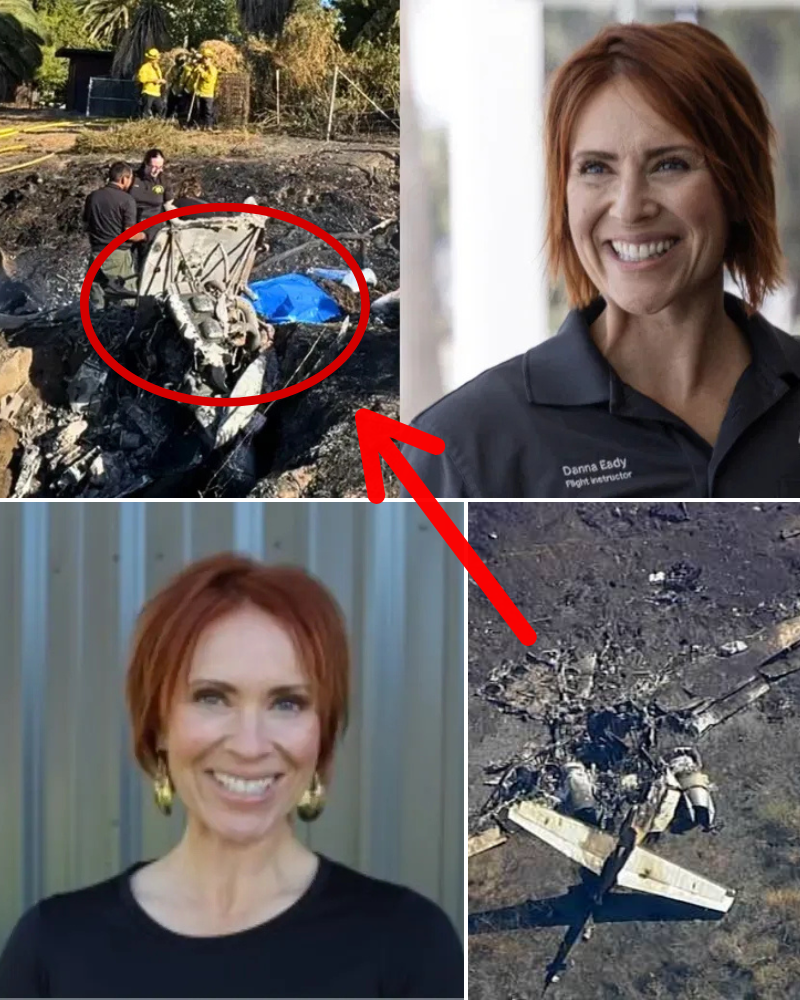
One of the issues now attracting attention is the aircraft’s maintenance history. The account surrounding the investigation alleges that an inspection was performed only hours before the flight but was not reflected in the aircraft’s regular maintenance records. If investigators confirm that such an inspection occurred, they will need to determine who performed it, what was examined and whether any concerns were identified. An inspection that is absent from official documentation would not automatically indicate wrongdoing, but the circumstances would likely require clarification.
Maintenance documentation is an important component of any aircraft-accident investigation. Records can show when an aircraft was last inspected, which components were serviced and whether previously identified defects were corrected. Investigators can compare those records with the physical condition of the wreckage. If a mechanical component failed during the flight, specialists may examine whether the component had recently been inspected or repaired. They can also determine whether any maintenance action could have affected its reliability.
The reported discovery of a possible mechanical warning before takeoff could therefore become significant if independently verified. According to the account provided, investigators examining the airfield hangar found evidence that a critical warning may have been identified shortly before the aircraft departed. The precise nature of that warning has not been established publicly in the information available here. It could relate to an aircraft system, engine indication or another operational concern. Without documentation showing what the warning was and how it was handled, it would be premature to conclude that it was connected to the subsequent crash.
Investigators will likely examine whether the aircraft was considered airworthy when it departed. In aviation, a warning does not necessarily mean an aircraft is unsafe to fly. Pilots and maintenance personnel are trained to evaluate indications and determine whether corrective action is required. Some warnings can be caused by sensors or temporary irregularities, while others may signal serious mechanical problems. The investigation will need to establish what the reported warning represented and whether the aircraft was operated in accordance with applicable procedures.
The timing of the alleged inspection could also be important. If an inspection occurred only hours before the flight, investigators may want to know whether the person conducting it had appropriate qualifications and whether any findings were documented. They may also compare the inspection with previous maintenance records to determine whether the same component had experienced earlier problems. Physical examination of the aircraft may reveal whether a suspected component failed before impact or was damaged by the crash.
The fire at the crash site presents another challenge. High temperatures can destroy evidence, particularly electrical wiring, sensors and other components that may have provided clues about the aircraft’s condition. Investigators may therefore rely on surviving portions of the engine and flight-control systems. Metallurgical testing can help determine whether fractures occurred before or during the impact. Engineers can also examine deformation patterns to establish whether a component was functioning normally when the aircraft struck the terrain.
Eady’s experience as a flight instructor is another important part of the investigation, although it should not be used to eliminate mechanical or environmental possibilities. Experienced pilots can still encounter sudden equipment failures that leave little time to respond. Investigators may review her qualifications, recent flight experience and familiarity with the aircraft. They may also examine the flight’s route, altitude and weather conditions to determine whether anything unusual occurred before the crash.
Flight data could help establish whether the aircraft experienced a sudden change in performance. Depending on the aircraft’s equipment, investigators may be able to recover information from GPS units, electronic flight instruments or other systems. Radar records may provide additional information about altitude and heading. By comparing these records with the expected flight path, investigators can determine when the aircraft began to deviate and whether the deviation was gradual or abrupt.
Radio communications are another potential source of evidence. If Eady communicated with air-traffic personnel before the crash, recordings could help establish whether she reported an aircraft problem. A normal transmission followed by an abrupt end to communication could indicate that something happened quickly, although it would not necessarily prove a mechanical failure. Investigators may compare the communications timeline with radar data and any available electronic records.
Wilcox’s tribute comes as the aviation community continues to process the loss. A flight instructor’s role extends beyond simply operating an aircraft. Instructors teach students how to manage routine flights, identify hazards and respond to emergencies. The death of someone in that role can have a particularly strong impact on students and fellow pilots who viewed the instructor as both a professional and mentor. Tributes from colleagues can help preserve the human side of the story while investigators concentrate on technical evidence.
The reported maintenance irregularity, if confirmed, could become an important line of inquiry. Investigators may examine whether the inspection was performed by someone associated with the aircraft, whether it was prompted by a warning and whether any repairs were recommended. They could also determine whether the aircraft subsequently received authorization to fly. Documentation, witness statements and physical evidence would all be necessary to establish a reliable sequence.
It is also possible that an apparent maintenance issue had no connection to the crash. Aircraft investigations frequently uncover unrelated defects or maintenance discrepancies that did not contribute to an accident. A warning discovered before takeoff may have been resolved correctly, or it may have involved a system unrelated to the eventual failure. Investigators must therefore establish causation rather than simply identifying something unusual in the aircraft’s history.
The possibility of mechanical failure will also be weighed against other causes. Weather, pilot workload, aircraft performance, navigation, medical emergencies and operational factors can all contribute to a crash. Investigators generally examine these possibilities simultaneously rather than selecting one explanation at the beginning of the process. The aircraft’s final trajectory and the condition of the wreckage will help determine which theories remain consistent with the evidence.
The alleged maintenance inspection could also raise questions about recordkeeping procedures. Accurate maintenance documentation is critical because it allows pilots, owners and mechanics to understand an aircraft’s history. If an inspection occurred but was not recorded, investigators may seek to determine whether the omission was accidental or whether the work was performed outside normal procedures. Neither possibility should be assumed without evidence.
For Eady’s family, the investigation follows an unbearable loss. She and her husband died alongside their two sons during a flight that was reportedly intended to be a family trip to an airshow. Their deaths have left relatives and friends mourning four members of the same family. The aviation community is also remembering Eady for her work as an instructor and her relationships with fellow pilots.
The coming stages of the investigation could provide greater clarity. Specialists will likely continue examining the aircraft’s engine, flight controls and electrical systems while reviewing maintenance records, weather information and flight data. If investigators can establish that a warning appeared before takeoff, they will need to determine precisely what it indicated and whether it was related to the accident. Any evidence from the hangar will also need to be authenticated before it can be treated as part of the official reconstruction.
At present, there is no confirmed evidence that an unrecorded inspection or mechanical warning caused the fatal crash. Those details represent investigative leads that require verification. The fact that an experienced flight instructor was operating the aircraft makes the circumstances especially difficult for those who knew her, but it does not point automatically toward any single explanation.
For Nick Wilcox and other members of the aviation community, the immediate focus remains remembering Danna Eady as a colleague and instructor rather than reducing her life to the circumstances of her final flight. Meanwhile, investigators face the difficult technical task of determining why the aircraft crashed near the San Joaquin River. If the reported maintenance findings are substantiated, they could become an important part of that reconstruction. Until then, the cause of the accident remains unresolved, and the search for answers continues alongside the mourning of a family whose planned trip to an airshow ended in tragedy.