The Hidden Online Trap That Turned a Vulnerable Teen Into a Mosque Shooter.
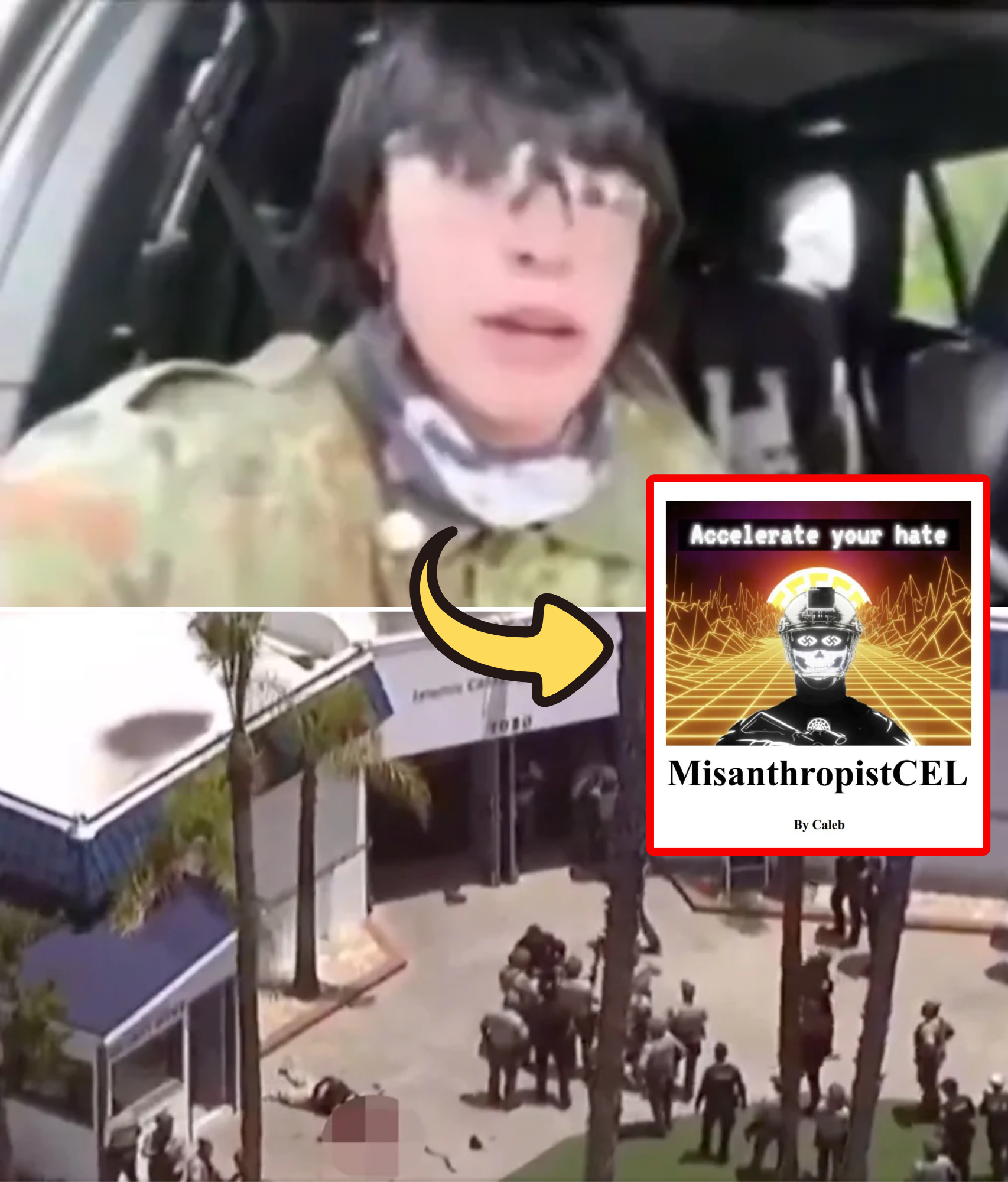
In the quiet suburbs of Chula Vista, California, a family is grappling with unimaginable grief and guilt. On May 18, 2026, 18-year-old Caleb Vazquez, along with 17-year-old Cain Clark, carried out a deadly attack at the Islamic Center of San Diego, killing three innocent men before taking their own lives. The victims — security guard Amin Abdullah, mosque elder Mansour Kaziha, and Nadir Awad — were remembered as heroes who tried to protect their community. Now, days later, Vazquez’s family has spoken out publicly for the first time, offering a painful explanation: their autistic son was allegedly brainwashed by extremist content online.
The family’s statement, released through their attorney on May 21, condemns the violence in the strongest terms. “We condemn these hateful and violent actions entirely,” they wrote. “Nothing we say or do could ever repair the damage his actions have caused. We are completely heartbroken and devastated.” They described Caleb as “an immensely lost, troubled, and misguided soul” who struggled with his identity on the autism spectrum. According to the family, this vulnerability made him susceptible to radical ideologies spreading across social media and fringe online platforms.
Authorities confirmed the attack as a hate crime motivated by anti-Muslim and white supremacist rhetoric. The two teens reportedly left behind a 75-page manifesto filled with hateful propaganda, idolizing previous mass shooters and promoting chaos. They arrived at the mosque armed and in camouflage, opening fire around 11:43 a.m. A security guard engaged them bravely, but three lives were lost before the attackers fled and died by suicide in a nearby vehicle.
Caleb’s family revealed that he had been on their radar for some time. Court documents show that in 2025, his obsession with mass shooters and Nazi ideology prompted police intervention. His father even surrendered multiple firearms after alarming reports. Caleb had been placed in an involuntary psychiatric hold at one point. Despite these red flags, the warning signs escalated dramatically on the day of the attack. Cain Clark’s mother frantically called police hours earlier, reporting her son was suicidal, weapons and a vehicle were missing, and he had left a note. She described him wearing camouflage with a friend — details that matched Caleb.
Experts point to a familiar pattern of online radicalization among young people, particularly those with social challenges like autism. Platforms algorithmically push extreme content, creating echo chambers where vulnerable individuals find belonging in dangerous ideologies. The Vazquez family highlighted this danger explicitly: “Our son was on the autism spectrum, and it is painfully clear to us now that he struggled not only with accepting parts of his own identity but also grew to resent them. We believe this, combined with exposure to hateful rhetoric, extremist content, and propaganda… contributed to his descent.”
The broader community response has been one of mourning and resilience. Over 2,000 people attended prayers at the reopened mosque. Imam Taha Hassane called for unity against hate. Memorials with flowers and messages of peace sprung up immediately. Jewish organizations and other faith groups issued statements of solidarity, recognizing the attack as part of a disturbing trend of copycat violence inspired by prior atrocities.
This tragedy raises urgent questions about mental health support, gun access, and the unregulated wild west of the internet. While Caleb’s family insists his actions were completely at odds with the values they taught him, they acknowledge the irreversible pain inflicted on the victims’ loved ones. “We stand firmly against the ideology and actions that led to this tragedy,” their statement read. They also urged society to address online spaces that “normalize hatred.”
Investigators continue analyzing digital footprints, the manifesto, and potential accomplices or inspirations. The case underscores how quickly isolated teens can be pulled into extremism — often without parents fully realizing the extent until it’s too late. For the Vazquez family, the public statement marks a first step toward accountability amid their private devastation.
As San Diego heals, this story serves as a stark reminder: behind every headline of horror, there are families shattered on multiple sides — the victims’, the community’s, and even the perpetrators’. The challenge now is preventing the next one through better intervention, digital literacy, and compassion for those struggling silently.