Chaos from Day One: How Internal Disarray and Leadership Failures May Have Doomed the Nancy Guthrie Investigation.
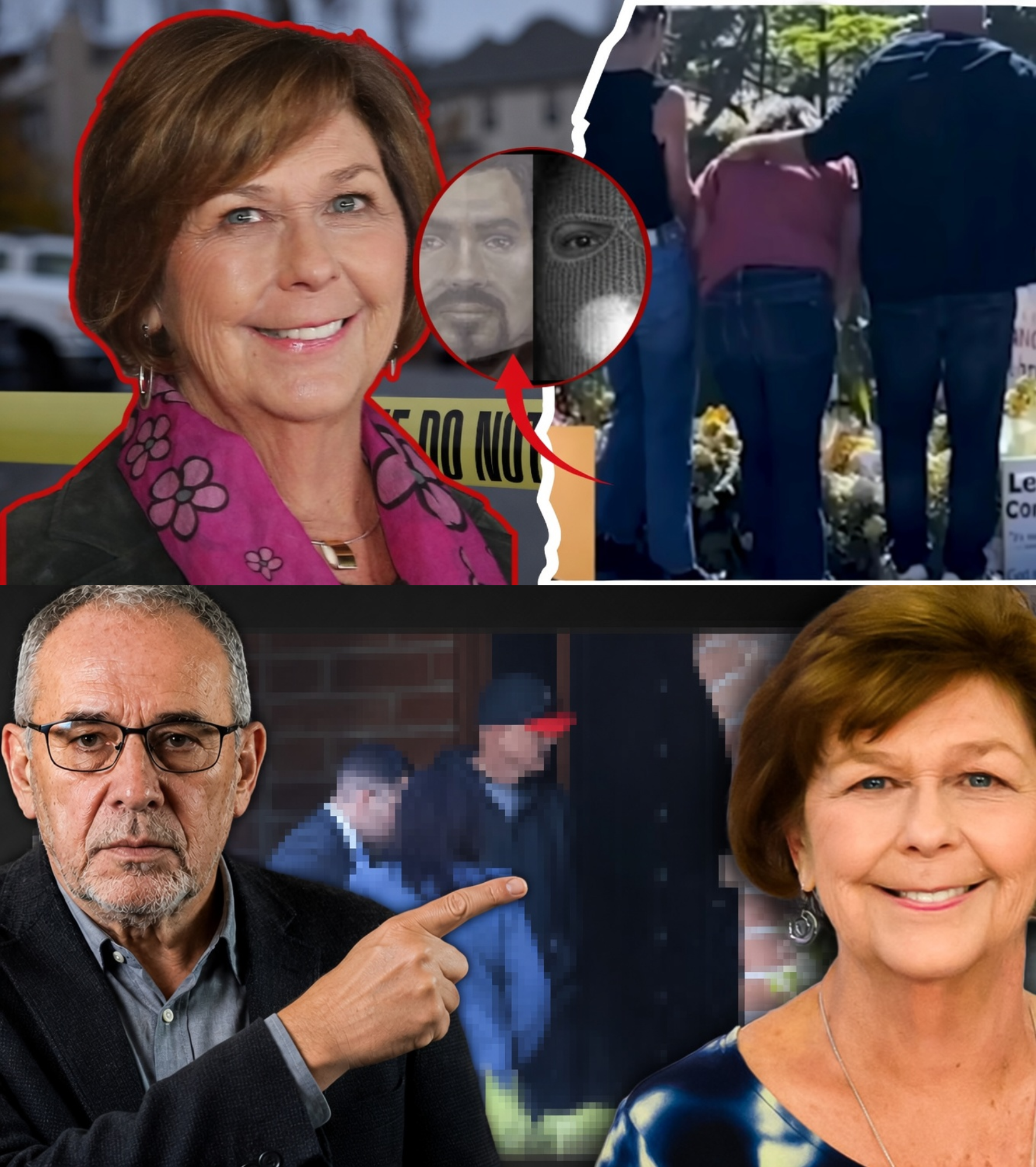
Sergeant Aaron Cross, a current active-duty sergeant inside the Pima County Sheriff’s Office and president of the deputies’ union, sat down with investigative journalist Brian Entin and delivered the most damaging insider account yet of the Nancy Guthrie case. What he described was not minor missteps but a first-week disaster he and his detectives called a “sh** show” — a disorganized mess marked by poor communication, duplicated efforts, ego-driven decisions, and a command structure unprepared for a high-stakes abduction.
Nancy Guthrie, the 84-year-old mother of NBC’s Savannah Guthrie, was taken from her Tucson home on the night of January 31, 2026. Doorbell footage showed a masked intruder striking her and carrying her away. In the critical first 72 hours — when witnesses remember details best and evidence is freshest — the department allegedly fumbled basic investigative fundamentals. Detectives were sent to interview people who had already been questioned four or five times by other team members. There was no central tracking system, no shared notes, and command staff appeared to be running the show directly instead of letting experienced investigators lead.
Cross, who spoke on the record while still wearing the badge and reporting to Sheriff Chris Nanos, emphasized he had no personal grudge. He was simply “calling balls and strikes” based on conversations with detectives who worked the scene. His account paints a picture of institutional failure at the worst possible moment. In a case this prominent, every wasted hour could mean lost leads, degraded evidence, or a colder trail.
The FBI’s early involvement became another flashpoint. According to Cross and statements from FBI Director Kash Patel, federal agents felt boxed out for the first four days. An FBI plane stood ready to rush DNA evidence to the elite Quantico lab, yet the sheriff’s office sent it to a private lab in Florida instead. Cross attributed this not to deliberate obstruction but to deeper dysfunction — the department was so chaotic internally that proper coordination with outside agencies was impossible. Ego at the top, he suggested, may have played a role in delaying a smoother handoff.
Adding to the scrutiny is the appointment of a homicide supervisor who, according to the sergeant’s sources, had never previously investigated a homicide. Leadership decisions like this, combined with command staff micromanaging, created confusion rather than clarity. Detectives reportedly felt they were “going in circles,” repeating work while critical time slipped away.
The fallout has extended beyond the early days. A felony perjury referral against Sheriff Nanos was sent to the Arizona Attorney General by the Pima County Board of Supervisors. The allegations stem from statements Nanos made in a prior 2024 lawsuit, raising questions about his credibility and leadership fitness at a time when the department is under national spotlight for the Guthrie case. Attempts to remove him from office failed, but the referral keeps the pressure on.
Cross’s interview comes at the 100-day mark, a painful milestone with no arrest, no confirmed suspect, and Nancy still missing. While the sheriff’s office has publicly expressed optimism and urged tips, insiders like Cross highlight how foundational errors in week one may have compromised the entire effort. Advanced DNA from a glove and hair samples, surveillance footage, and thousands of tips have all been pursued, yet the public narrative of steady progress clashes with private accounts of stalled momentum.
Criminal profilers and experts following the case have long noted the abduction’s organized elements — the masked intruder, quick execution, and lack of immediate ransom follow-through. Some speculate the visible perpetrator may have been low-level “muscle” directed by someone higher up. If early investigative chaos allowed key evidence to degrade or connections to go unexplored, the consequences could be profound.
The Guthrie family continues to appeal for information while cooperating with authorities. Savannah Guthrie has posted public videos pleading for help and urging anyone with knowledge to come forward. A substantial reward remains active, and the FBI continues to assist. Yet the internal revelations from a respected sitting sergeant raise uncomfortable questions about accountability, transparency, and whether the investigation was given the best possible start.
Brian Entin’s relentless on-the-ground reporting has kept the case in the spotlight, forcing difficult conversations about leadership and reform. Sergeant Cross’s willingness to speak publicly, despite the risks, underscores the seriousness of the issues he raised. In law enforcement, the first hours are often the most important — and according to this insider, those hours were marred by avoidable failures.
As the search stretches into its fourth month, the desert around Tucson holds its secrets. Whether through refined forensic work, overlooked digital leads, or renewed public tips, resolution depends on overcoming the early disarray. Nancy Guthrie’s story is no longer just about finding a missing grandmother — it has become a stark case study in how internal dysfunction can impact justice. The public, the family, and law enforcement insiders alike deserve answers, and the pressure for real progress continues to build.