Taser Paradox: Why Pamela Cisneros Kept Moving While the System Failed.
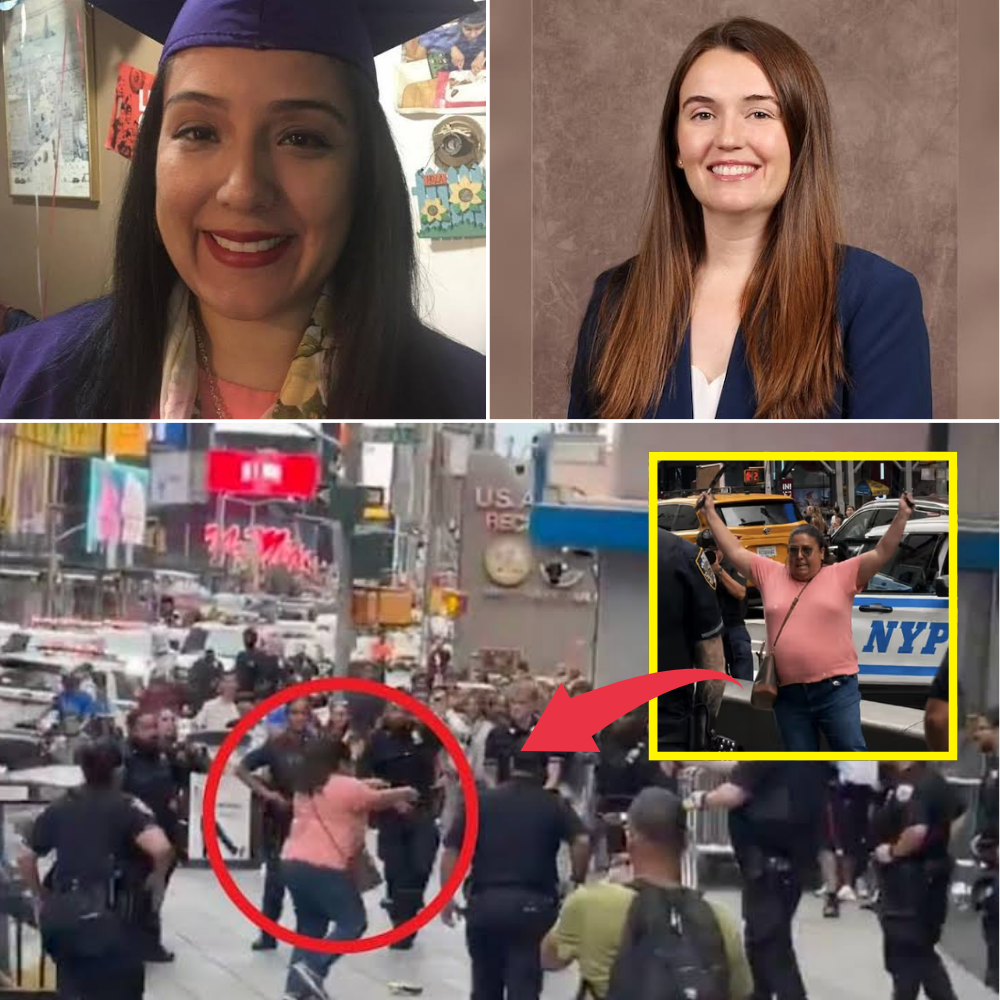
The video instantly ignited fierce debate across social media platforms, drawing millions of views and starkly polarized opinions. In the viral clip, a high-stakes confrontation unfolds, culminating in the deployment of a Taser against Pamela Cisneros. Yet, despite the discharge, the weapon appeared to have virtually no immediate stopping effect, leaving onlookers and online commentators stunned. For many watching at home, the immediate assumption leaned toward police error or equipment malfunction. However, a deep dive into the mechanics of conducted energy weapons reveals a far more complex—and controversial—scientific reality behind why the device failed to neutralize her.
The Anatomy of a Taser Failure
When a law enforcement officer deploys a Taser, public perception often paints it as an absolute, magical switch that instantly freezes a human target in their tracks. Pop culture has conditioned audiences to expect immediate, total immobilization the moment the barbs strike a body. In practice, however, a Taser is an intricate electromechanical tool bound by strict biological and physical laws.
According to forensic and use-of-force experts analyzing the Pamela Cisneros incident, the device does not simply rely on touch to subdue an individual. For the neuromuscular incapacitation (NMI) system to function correctly, two distinct probes must successfully pierce or make solid contact with clothing and skin, establishing a complete electrical circuit. This circuit must span a sufficient spread of muscle tissue to override the central nervous system’s voluntary control signals.
In Pamela’s case, a confluence of minor yet critical physical variables intervened simultaneously, creating a worst-case scenario for the responding officer.
Bags, Movement, and Body Fat: The Physics of the Mishap
Forensic analysts investigating the deployment pointed to two primary obstacles that crippled the device’s effectiveness during the chaotic confrontation.
First, Pamela Cisneros was in motion, creating a dynamic and rapidly shifting target. As the officer pulled the trigger, Pamela’s bag reportedly caught one of the deployment probes. This unexpected obstruction prevented the barb from establishing a direct, unhindered path to the skin, disrupting the necessary distance and spread between the two contact points required to complete the high-voltage circuit.
Second, technical experts highlighted the biological factor of body composition. A layer of subcutaneous tissue overlying the muscle can significantly diminish the depth and reach of the electrical current. In this instance, analysts noted that a layer of body fat may have acted as a natural insulator, reducing the penetration and efficacy of the secondary probe. When combined with the movement of the subject, these minor physical impediments compounded exponentially, rendering a tool designed to save lives and de-escalate force functionally useless in the heat of the moment.
The Community Backlash and the Wider Debate
As the expert explanations circulated online, the public reaction shifted from immediate outrage to a nuanced, often bitter debate regarding police training, equipment reliability, and the unpredictability of real-world use-of-force encounters.
Civil rights advocates and community organizers argue that the incident underscores the dangerous unpredictability of relying on less-lethal weapons as a cure-all for volatile situations. Critics point out that if a Taser is so easily compromised by everyday items like a handbag or natural variations in human anatomy, departments must heavily re-evaluate tactical protocols and prioritize de-escalation training over reliance on electronic control devices.
Conversely, law enforcement defenders and use-of-force instructors emphasize the impossible conditions officers face on a daily basis. They argue that the video serves as a stark reminder of why officers must transition rapidly through the use-of-force continuum when primary measures fail. From their perspective, blaming the officer ignores the harsh physiological limitations of the hardware itself, which cannot always overcome the chaos of a moving suspect and physical obstructions.
What Happens Next?
The controversy surrounding the confrontation involving Pamela Cisneros is far from over. As internal reviews continue and legal teams parse through every frame of the newly released evidence, the incident remains a flashpoint for discussions on modern policing.
Will this revelation change how departments train their personnel to handle moving, obstructed targets? Or will it push manufacturers to design next-generation tools that can pierce obstacles and adapt to human biology more reliably?
The answers to these questions will undoubtedly shape the future of community safety and law enforcement accountability for years to come.