Anatomy of a Tragedy: Inside the Six-Year Downward Spiral That Led Pamela Cisneros to Times Square.
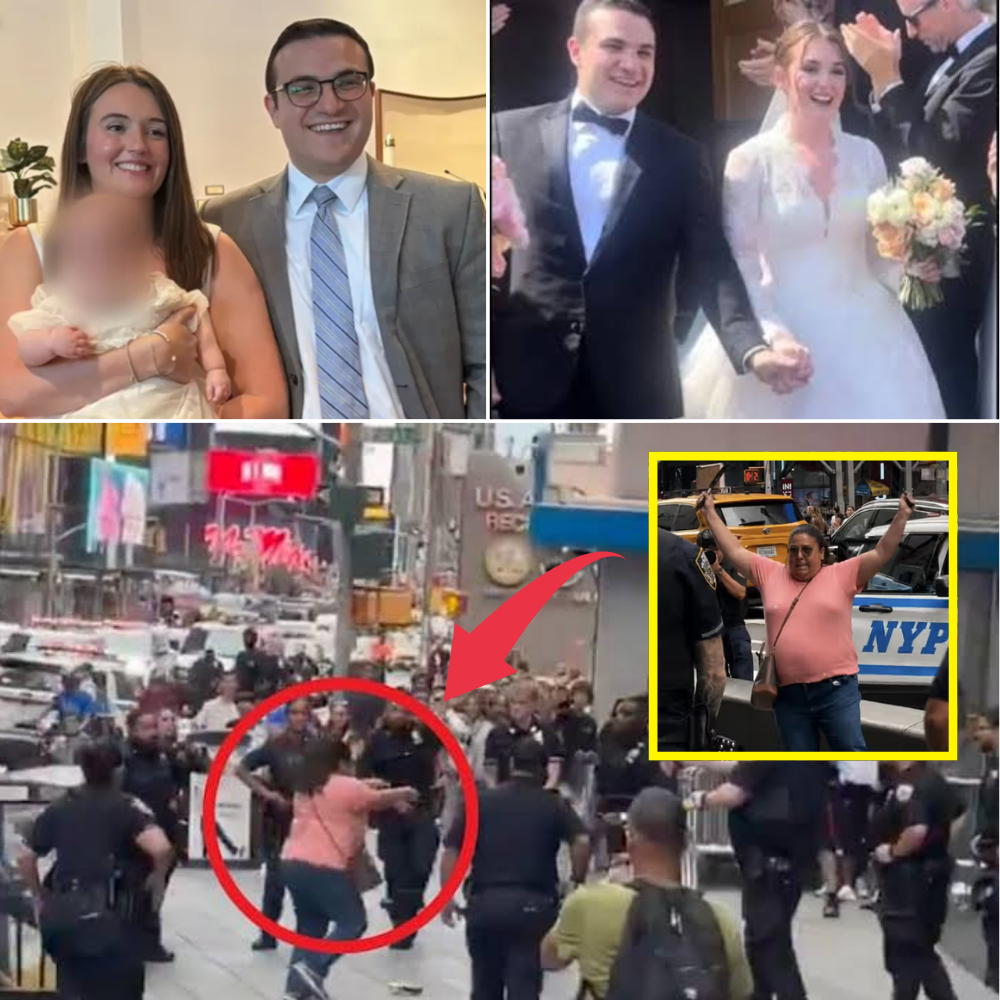
Few places on Earth capture the relentless pulse of modern life quite like New York City’s Times Square. On a typical afternoon, the bustling nexus of neon, tourists, and commuters hums with an almost theatrical energy. But beneath that glittering surface lies a fragile veneer, one that was violently shattered when a 49-year-old Queens resident named Pamela Cisneros pulled two large knives from a shopping bag and launched into a random, unprovoked stabbing rampage.
The attack claimed the life of Erin Piacenti, a 32-year-old Bank of America executive visiting from New Jersey, and left a 68-year-old man hospitalized with severe wounds. Within minutes, the confrontation ended in a hail of police gunfire after Cisneros refused to drop her weapons, warning officers that she would rather kill them than surrender.
While the immediate violence unfolded in seconds under the glare of tourist cameras, the true story of how Pamela Cisneros walked into Times Square on that fateful afternoon did not begin overnight. According to family accounts and court records, her path to destruction was paved over six agonizing years of personal collapse, profound isolation, and a crumbling mental state.
A Marriage in Slow Motion Collapse
Long before her name dominated evening news broadcasts, Cisneros’s life was quietly unravelling away from the public eye. Court records indicate that divorce proceedings concerning her marriage began as far back as 2020. What might have been a straightforward legal separation instead devolved into a protracted, exhausting multi-year ordeal that stretched out for roughly half a decade, finally concluding just a year before the attack.
During those grinding years of legal limbo, family members note that Cisneros’s grip on stability began to fray. Once anchored by domestic routines, she reportedly battled mounting struggles concerning her mental health, employment consistency, and daily family life. Relatives later pointed out that the psychological strain seemed to compound over time, exacerbated by long-standing battles with mental health conditions that had previously drawn the attention of emergency responders in incidents dating back to 2018 and 2019—including a harrowing subway track incident treated as a suicide attempt.
As the marriage limped toward its official dissolution, the collateral damage rippled through her personal relationships. Cisneros became increasingly estranged from her three children, retreating further into an isolated existence.
The Hollowed-Out Life in Queens
By the time her divorce was officially finalized in 2025, Cisneros was living entirely alone in a modest apartment in Queens. To the casual observer or passing neighbor, she might have appeared to be an ordinary woman simply trying to navigate the high-pressure landscape of New York City and maintain a semblance of a normal routine.
Behind closed doors, however, the reality was starkly different. Family members have since revealed that she was receiving monthly medication injections to manage severe psychological distress, yet the safety nets designed to catch individuals falling through the cracks of the metropolitan mental health system ultimately proved insufficient. Her father, Mario Cisneros, expressed profound bewilderment to reporters, noting that while he had seen her just days prior and she appeared outwardly stable, the internal turmoil consuming her mind remained entirely hidden from those who loved her.
The tragedy underscores a recurring, haunting question in modern urban life: How many individuals walk among millions in crowded subway cars and bustling avenues while fighting an invisible, losing war against their own minds?
The Fatal Collision Course
When Cisneros stepped onto Seventh Avenue with a red shopping bag containing two large knives, the six-year trajectory of her private agony collided tragically with the public sphere. Investigators and city officials have stressed that the victims—including Piacenti, who had built a successful corporate career—were chosen entirely at random, adding a chilling randomness to an already catastrophic event.
The ensuing police response was swift. Confronted by officers on Seventh Avenue, Cisneros spent crucial minutes brandishing her weapons and shouting defiance. Despite deployment of stun guns and repeated pleas from law enforcement to surrender, her refusal to back down left officers with little tactical choice to prevent further bloodshed.
As investigators comb through medical records, police logs, and the recollections of a grieving family, the shadow of Pamela Cisneros’s six-year decline serves as a sobering reminder. It paints a grim picture of how untreated or escalating psychological distress, left unchecked against the backdrop of a broken personal life, can metastasize into an unthinkable community nightmare.