He Said He Wasn’t Married to a Monster. Now He May Have to Relive It All Over Again.
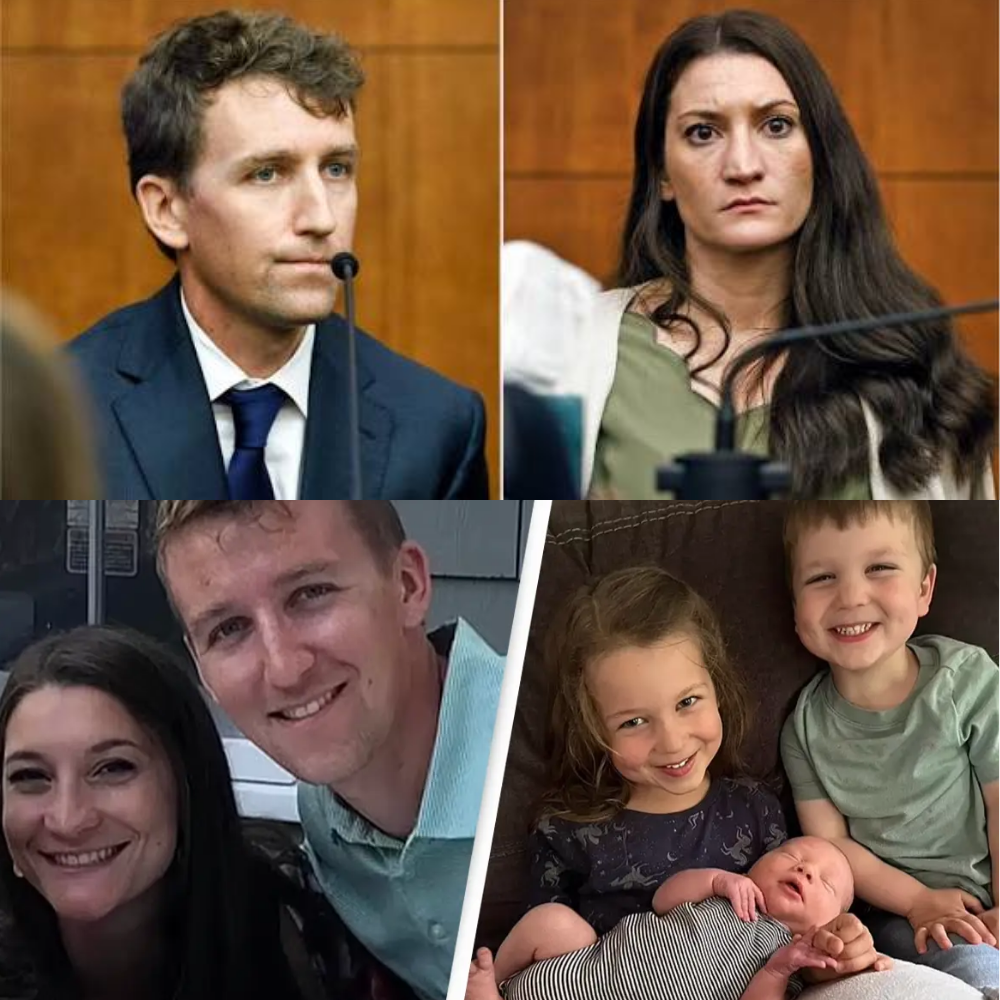
The courtroom silence was deafening when the verdict—or the lack thereof—finally came down. After nearly a week of grueling deliberations and over 38 hours of agonizing debate, a Massachusetts jury found themselves completely deadlocked, split 11 to 1, unable to decide the fate of Lindsay Clancy. For a nation transfixed by one of the most harrowing maternal mental health trials in modern history, the declaration of a mistrial is not an ending. It is a terrifying reopening of old wounds. And at the epicenter of this psychological storm stands Patrick Clancy—a man forced to watch his entire world crumble, only to face the agonizing prospect of living through the nightmare all over again.
A Shattered Family and a Nation Divided
It began as an unimaginable tragedy on a quiet January evening in 2023. Lindsay Clancy, a former labor and delivery nurse and mother described by those closest to her as deeply devoted, strangled her three young children—Cora, Dawson, and Callan—before leaping from a second-story window in an apparent suicide attempt that left her permanently paralyzed from the waist down.
When Patrick Clancy returned home from picking up takeout and medication, he walked into a scene of unspeakable horror. The harrowing audio of his 911 call, where he screamed out in absolute disbelief that his children had been killed, became an enduring symbol of a family destroyed.
Yet, as the legal battle unfolded in Plymouth Superior Court, the trial morphed into a fierce cultural and clinical debate over criminal responsibility, severe postpartum psychosis, and the crushing, often invisible pressures placed on mothers.
Inside the Courtroom: Psychosis vs. Premeditation
The defense team, led by attorney Kevin Reddington, did not dispute the physical actions. Instead, they argued that Lindsay was entirely stripped of her rational mind, swallowed by severe postpartum psychosis, auditory hallucinations, and an over-medicated spiral following months of desperately begging medical professionals for help. Chilling testimony from hospital chaplains and family members painted a picture of a woman utterly detached from reality, who genuinely believed she and her children were being saved.
Conversely, the prosecution pushed a chillingly calculated narrative. District Attorney representatives argued that Lindsay methodically cleared the path—sending Patrick out of the house on errands—and executed the killings with chilling, deliberate awareness. Expert witnesses clashed on the stand, leaving jurors trapped between clinical definitions of insanity and the brutal reality of three dead children.
When the jury announced they were hopelessly deadlocked at 11-1, Judge William Sullivan officially declared a mistrial, leaving the courtroom in stunned silence and setting the stage for a potential retrial in the fall.
“I Wasn’t Married to a Monster”: The Agony of Patrick Clancy
While public opinion online remains fiercely polarized, caught between sympathy for maternal mental illness and demands for accountability, the human toll rests heaviest on Patrick Clancy.
Throughout the ordeal, long before the legal dust settled, Patrick chose a path of radical empathy that stunned observers. Refusing to demonize the woman who shared his life, he famously offered a perspective rooted in deep sorrow rather than blind hatred, stating:
“I wasn’t married to a monster — I was married to someone who got sick.”
Patrick testified to her love as a mother, even while detailing the terrifying months her mental health unraveled. Now, with the mistrial clearing the board for prosecutors to potentially pursue a second trial, Patrick faces a cruel psychological purgatory.
Through his lawyer, David Meier, Patrick released a statement expressing gratitude to the court, while laying bare the brutal reality of the judicial outcome: the loss of his children is a wound that can never truly heal, and the prospect of reliving the entire tragedy through another trial is “extraordinarily painful.”
As legal teams prepare for status hearings and the shadow of a retrial looms large, the Clancy case remains a haunting reminder of how mental health crises can shatter families—leaving behind survivors who must fight just to find peace in a world irrevocably altered.