Bodycam Confessions and 911 Chaos: Fresh Evidence Reignites Debate in the Karmelo Anthony Case.
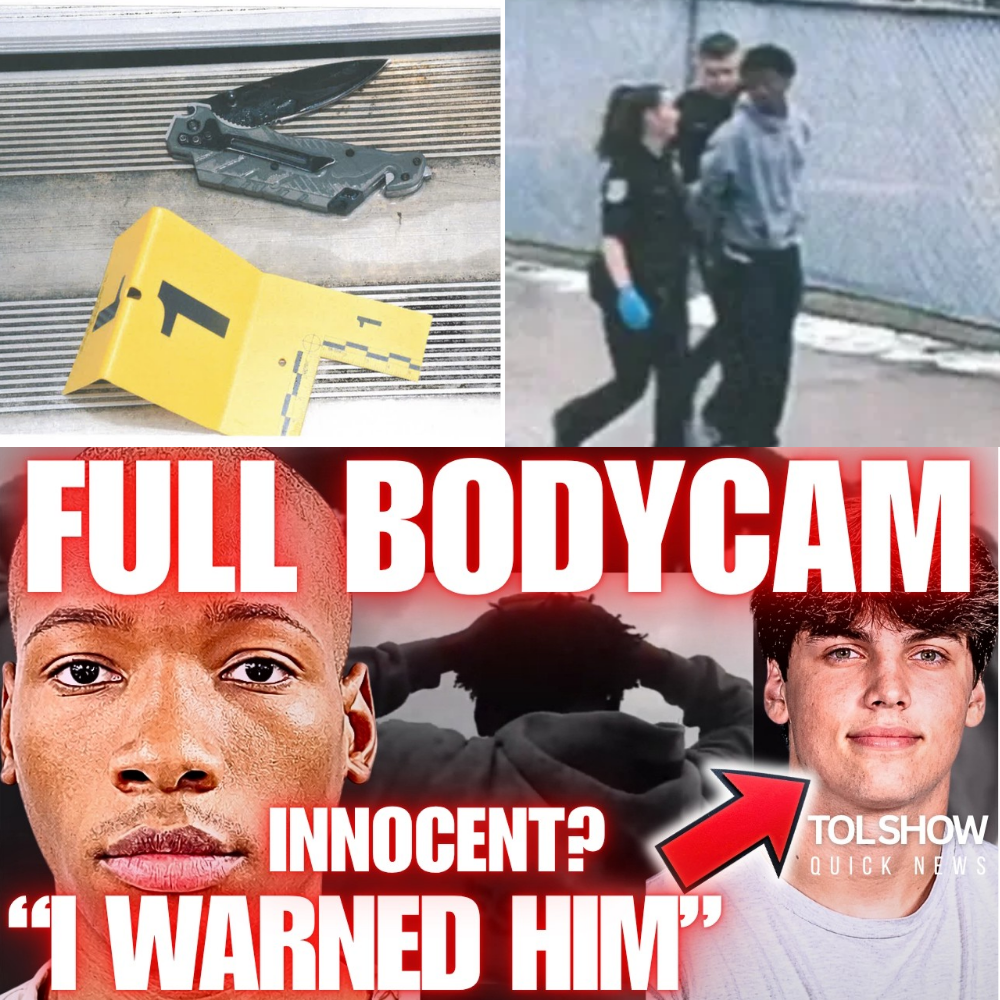
Newly released body camera footage and 911 audio from the moments following the fatal stabbing at a Frisco track meet have thrust the Karmelo Anthony case back into the spotlight, challenging settled narratives and highlighting the raw human elements often lost in courtroom summaries. Anthony, already convicted of murder and sentenced to 35 years for the death of Austin Metcalf, appears in the unedited arrest video repeatedly asserting self-defense while showing concern for his victim.
In the bodycam, captured shortly after the incident, Anthony tells officers, “He put his hands on me. I told him not to.” He insists he is innocent and, strikingly, inquires whether Metcalf is going to be okay. These statements, made within minutes of the event, paint a picture of a teenager in distress rather than a calculated perpetrator fleeing the scene. Supporters argue this demeanor and language support claims of reasonable fear and lack of murderous intent.
The 911 calls add another layer of immediacy and confusion. Callers describe the chaos at the stadium, with one frantically reporting a friend bleeding heavily. Background pleas of “Fight through!” underscore the panic as bystanders and coaches attempted aid. Notably, the caller couldn’t immediately identify the weapon, referring to it vaguely, which some analyses tie to the small multi-tool nature of the implement involved rather than a large knife. Anthony did not flee; he remained near coaches, further complicating assumptions of guilt.
This release comes after the trial concluded, reigniting discussions about whether the jury fully weighed elements pointing toward manslaughter over first-degree murder. Manslaughter in Texas involves recklessly causing death — being aware of a risk but disregarding it — without the intent required for murder. The video’s emphasis on Anthony’s immediate statements could suggest recklessness in a heated moment rather than premeditated killing.
From my perspective, these recordings humanize both sides in a tragedy that should never have occurred. Anthony’s emotional state — crying, repeating his warning to Metcalf — reveals the impulsivity of youth under pressure. Track meets are communal events, yet a dispute over space escalated fatally because a knife entered the equation. Introducing a blade into any physical altercation dramatically raises stakes, regardless of who initiated contact. While self-defense laws exist to protect the vulnerable, proportionality matters: a push does not typically justify lethal force in the eyes of many legal standards.
Insights on Evidence, Perception, and Justice One key takeaway is how timing and selective release influence public opinion. Releasing footage on a Friday evening may have aimed to minimize immediate scrutiny, yet independent creators dissected it quickly, amplifying details like Anthony’s concern for Metcalf. This transparency is valuable but late — juries decide on presented evidence, and appeals or public discourse now grapple with what was or wasn’t emphasized.
Personally, I see this as a stark reminder of adolescent brain development. Teens often act without fully grasping long-term consequences, especially in adrenaline-fueled confrontations. Anthony’s post-incident behavior suggests regret or shock rather than callousness. That doesn’t erase accountability but invites nuance: should the system prioritize rehabilitation for such cases alongside punishment? The 35-year sentence feels heavy for a 17-year-old at the time, yet Metcalf’s family lost a son with his whole future ahead — a devastating, irreversible loss.
Broader societal angles emerge too. School events should be safe havens, but weapons on premises, even small tools, highlight gaps in prevention. Parental oversight, conflict de-escalation training, and stricter zero-tolerance for carrying blades could reduce similar tragedies. Culturally, the rush to tribal defenses — framing this through race or identity — distracts from universal lessons about personal responsibility. No background excuses bringing potential lethality to a sporting event.
Critics of the conviction point to inconsistencies in witness accounts and the video’s potential to support imperfect self-defense (where excessive force in a defensive situation might reduce charges). Conversely, prosecutors emphasized Anthony’s role in escalating by using the tool. The bodycam doesn’t resolve the initial push or surrounding dynamics captured elsewhere but adds context to Anthony’s mindset.
Why This Matters Long-Term Reflecting deeper, digital amplification turns every detail into ammunition for outrage. Pre-trial narratives clashed with trial evidence, and post-verdict releases keep emotions high. As an observer valuing truth-seeking, I believe primary sources like bodycam footage empower better judgments than soundbites. They reveal Anthony didn’t gloat or deny involvement — he admitted the act while claiming justification. That honesty, even if legally insufficient, merits consideration in sentencing reviews or public understanding.
Ultimately, this case exposes flaws in how we handle youth violence: swift accountability paired with opportunities for growth. Austin Metcalf’s death robbed a community of potential; Karmelo Anthony’s imprisonment does the same. Learning requires moving past binaries — not excusing violence but addressing roots like impulsivity, peer pressure, and easy access to weapons. Society benefits when evidence, not emotion, drives reform.
The bodycam and 911 audio don’t “change everything” for the verdict, but they complicate the story, urging empathy alongside justice. In a polarized world, cases like this test our commitment to facts over feelings. Let’s use them to foster safer environments and wiser responses to conflict.