Charlie Florek’s Heart-Wrenching Season 2 Setup: How Every Year After Could Redefine Family, Forgiveness, and Second Chances.
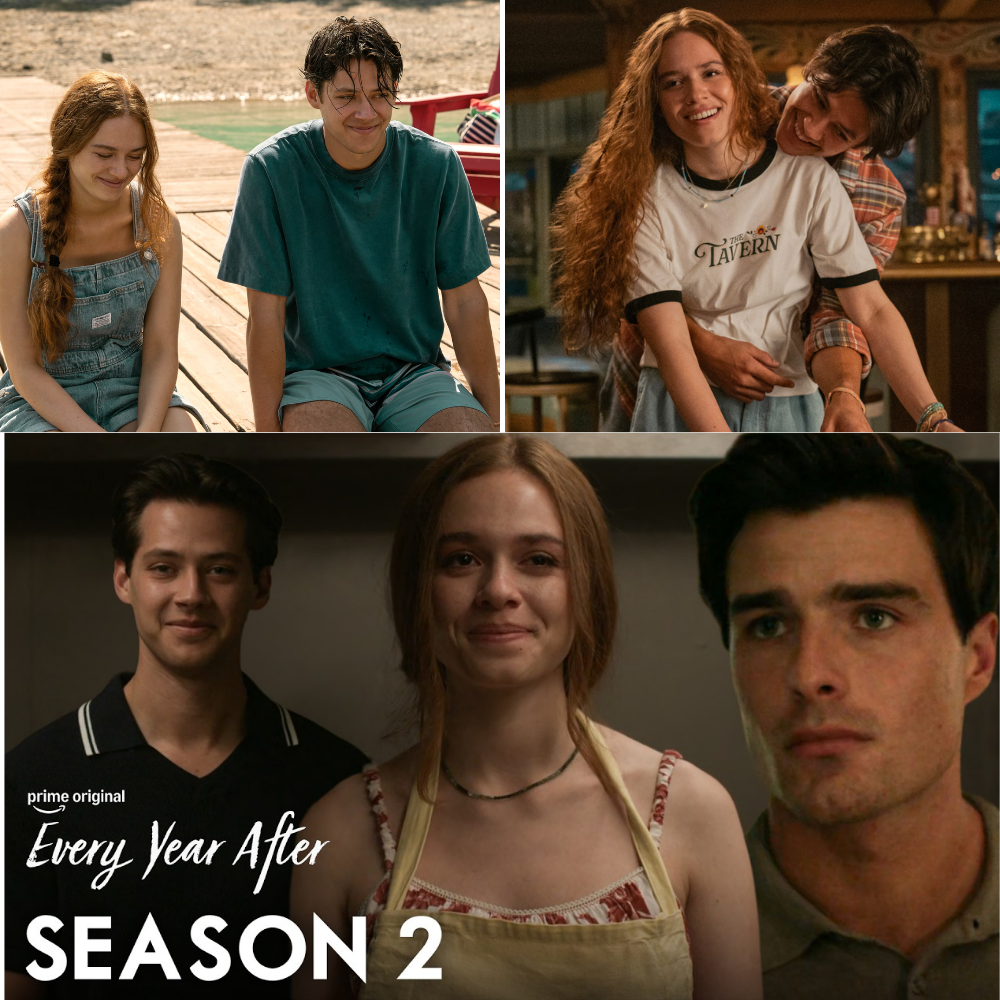
Every Year After delivered a heartfelt first season that left audiences emotionally invested in the sun-drenched shores of Barry’s Bay. While Percy and Sam’s reconciliation provided a satisfying close to their chapter from Carley Fortune’s original novel, the finale cleverly pivoted toward deeper, more layered storytelling possibilities. The emotional collapse of Sam’s older brother Charlie sets the stage for what could be an even more compelling continuation, drawing from the connected novel One Golden Summer.
As of now, Prime Video has not officially renewed the series, but strong viewer demand and the deliberate narrative seeds planted in the finale suggest a high likelihood of continuation. Showrunner Amy B. Harris and the creative team have envisioned a multi-season arc that expands the universe thoughtfully, allowing characters to evolve beyond the initial romance. This approach mirrors successful seasonal storytelling in other adaptations, balancing nostalgia with fresh emotional stakes.
At the heart of potential Season 2 lies Charlie Florek, portrayed with raw vulnerability by Michael Bradway. Season 1 concluded with him in a devastating emotional place—triggered by an old photograph that resurfaced happier times, leading to what appeared to be a heart-related crisis. This moment was no accident; it directly teases elements from One Golden Summer, where Charlie’s inherited heart condition from his father becomes a central conflict. His fear of vulnerability, combined with the aftermath of family loss and fractured brotherhood with Sam, creates fertile ground for profound character growth.
The story would likely follow Charlie as he attempts to rebuild his life in Barry’s Bay. With the family tavern now in new hands and the community navigating life after their mother’s passing, the town itself feels transformed. Enter Alice Everly, a photographer whose arrival brings new romantic possibilities. Their budding connection offers a parallel yet distinct exploration of love, healing, and honesty—mirroring Percy and Sam’s journey while introducing medical drama, secrecy, and redemption arcs that raise the emotional temperature.
What excites me most about this direction is how it avoids the trap of many sequels that simply rehash the main couple’s story. By shifting focus to Charlie, the series can delve into themes of inherited trauma, masculine vulnerability, and the courage required to be truly seen. In a world quick to celebrate surface-level romance, showing the hard work of maintaining relationships post-happy ending feels refreshingly mature. Harris has emphasized that Season 2 would explore what happens after the couple gets their resolution—highlighting the ongoing effort, small conflicts, and growth that real love demands.
Supporting characters stand to gain even more depth. Shontel, Delilah, and Jordi have already proven they’re more than sidekicks. Delilah’s personal evolution, including her divorce and complex ties to the Florek family, adds rich layers of female experience and representation. The show’s signature timeline-jumping structure—blending golden summer memories with present-day realities—will likely continue, providing poignant contrasts that enrich every storyline.
Production-wise, a quick renewal could see filming begin as early as summer 2026, positioning a potential release for summer 2027. This timing aligns perfectly with the series’ seasonal essence and builds on the momentum from Season 1’s June 2026 debut. While no official trailer exists yet, fan speculation and first-look discussions are already buzzing with excitement about scenic lakeside shots, deeper family secrets, and tender new romances.
From a broader perspective, Every Year After succeeds because it treats its setting as a character in its own right. Barry’s Bay isn’t just backdrop—it’s a place of healing, confrontation, and transformation. Expanding into Charlie’s arc elevates the narrative from teen summer fling to a multi-generational saga about how past choices ripple through families and communities. Personally, I find this evolution inspiring. In an era of fleeting entertainment, committing to slow-burn emotional intelligence across seasons rewards patient viewers and honors the source material’s spirit while forging new paths.
Challenges remain, of course. Balancing multiple storylines without losing the magic that made Percy and Sam’s connection so compelling will require careful writing. Yet the foundation is solid: strong performances, evocative visuals, and themes that resonate universally—love’s messiness, the weight of secrets, and the redemptive power of second chances. Whether audiences see wedding bells for the original couple, intense brotherly reconciliation, or entirely new dynamics that challenge everything, the potential feels limitless.
The shores of Barry’s Bay are calling us back, and this time, the waves carry heavier truths and brighter hopes. Charlie’s story promises to be the heart-stopping pivot that keeps us hooked for summers to come. If renewed, this could solidify Every Year After as a benchmark for thoughtful romance adaptations—proving that the best stories don’t end when the credits roll; they simply shift focus to the next heart waiting to heal.