Shattered in Seconds: Tesla Autopilot Crash Kills Grandmother in Her Texas Home.
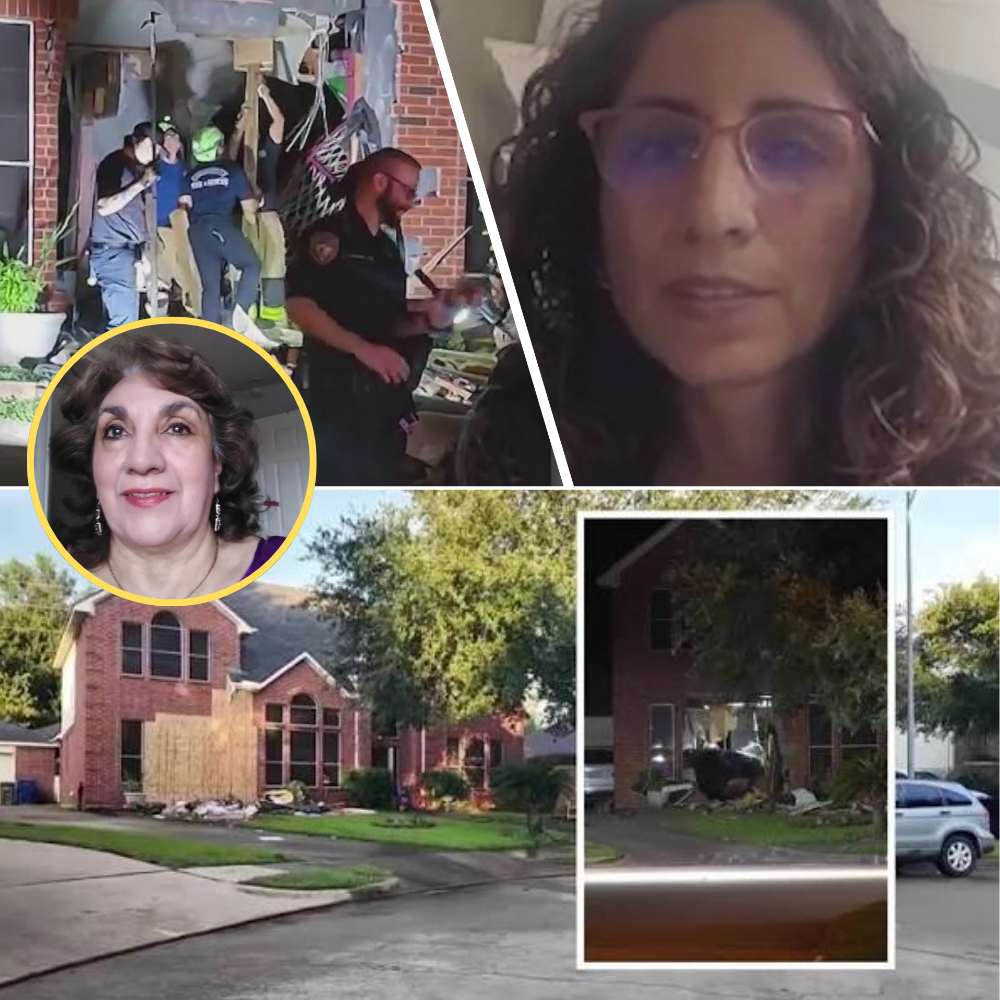
A routine evening at home in Katy, Texas, turned into an unimaginable nightmare on June 19, 2026, when a Tesla Model 3 operating under automated driving assistance veered off the road and smashed directly into a family residence. The crash claimed the life of 76-year-old Martha Avila, a generous and vibrant grandmother, leaving her loved ones devastated and prompting urgent questions about the real-world safety of advanced driver-assistance systems.
The vehicle, driven by 44-year-old Michael Butler, reportedly failed to navigate a right turn on Rose Hollow Lane around 8 p.m. It struck a curb, became airborne, and slammed into the house with tremendous force. The impact penetrated the structure, striking Avila inside. Despite being airlifted to a hospital, she did not survive her injuries. Butler sustained only minor injuries and has been cooperating with authorities, stating that the Autopilot system was active at the time of the incident.
Jennifer Barbour, Avila’s daughter, was in the backyard with her husband and three young children when the horror unfolded. The family has shared a chilling 10-second surveillance video that captures the terrifying moment the Tesla hurtles toward and crashes into their home. In tearful interviews, Barbour described her mother as “super generous and sweet,” a healthy woman who took no medications and had the potential for a long life. “She didn’t deserve to go this way,” she said, her voice heavy with grief. “Her life was cut very short.”
This tragedy strikes at the heart of suburban family life. Avila was simply relaxing inside her home, far from any roadway, when technology and human oversight failed catastrophically. The car reportedly struck the children’s playroom area, narrowly missing other family members who were fortunately outside. The sheer randomness of the event—combined with its speed and destructiveness—has amplified the family’s trauma and left neighbors shaken.
What makes this case particularly concerning is its connection to ongoing debates about Tesla’s Autopilot and Full Self-Driving features. While Tesla has always maintained that these systems require constant driver supervision and are not fully autonomous, incidents like this continue to erode public confidence. The Harris County Sheriff’s Office is now awaiting detailed vehicle data logs to determine exactly what role the automated system played and whether the driver maintained proper attention.
From my perspective, Martha Avila’s story is a painful illustration of how innovation can sometimes outpace safety and accountability. We are increasingly handing partial control of our vehicles to algorithms, trusting them with our most precious moments—family dinners, quiet evenings at home. Yet when those systems falter, the consequences extend far beyond the driver. A grandmother enjoying her golden years, surrounded by grandchildren, should never become a statistic in the march of technological progress. Jennifer Barbour’s courage in speaking out forces us to ask harder questions: Are we moving too fast? Are regulators and manufacturers doing enough to prevent edge-case failures that destroy innocent lives?
The short surveillance clip has become a haunting symbol of modern vulnerability. In just 10 seconds, normalcy evaporates. No warning horns, no dramatic buildup—just sudden, overwhelming destruction. Barbour’s decision to release the footage stems from a deep need for transparency and prevention, hoping it will spur meaningful changes rather than mere headlines. It also highlights the double-edged nature of citizen journalism in the digital age: raw truth that informs but also retraumatizes.
Broader implications extend to urban planning and vehicle design. Residential neighborhoods are not engineered to absorb high-speed vehicle impacts, making any deviation from the road potentially lethal. This incident may accelerate discussions about stronger roadside barriers near homes, improved geofencing for autonomous features, and clearer legal frameworks for liability when automated systems are involved. For Tesla owners, it serves as a sobering reminder that “hands-on, eyes-on” remains essential, no matter how advanced the technology appears.
The emotional and practical toll on the Avila-Barbour family is immense. Beyond the devastating loss of a beloved matriarch, they face property destruction, potential long-term trauma for the children, and the challenge of rebuilding both physically and emotionally. Community support is beginning to emerge, but nothing can truly replace the quiet presence of a generous grandmother who was expected to reach 100.
In today’s tech-saturated world, this crash underscores a critical tension: our desire for convenience and innovation versus the irreplaceable value of human life. Self-driving technology holds enormous promise for reducing overall accidents caused by human error, yet cases like Martha Avila’s reveal the gaps that still exist—particularly in transitional phases where partial automation meets complex real-world environments. True progress requires not just better code, but better integration of human judgment, robust fail-safes, and unwavering transparency from manufacturers.
As authorities continue their investigation, the focus must remain on delivering justice for the family and implementing lessons that protect others. Martha Avila’s life, marked by generosity and love, deserves more than becoming another data point in the autonomous vehicle debate. Her daughter’s painful voice carries a message that transcends one tragedy: we must demand technology that truly serves humanity, not the other way around.
The 10 seconds captured on camera changed one Texas family forever. They should also serve as a wake-up call for all of us who share the roads—and the responsibility to ensure that innovation never comes at the cost of innocent lives resting safely in their own homes.