From Track Meet Altercation to Tears in Handcuffs: The Karmelo Anthony Case That Divided a Nation.
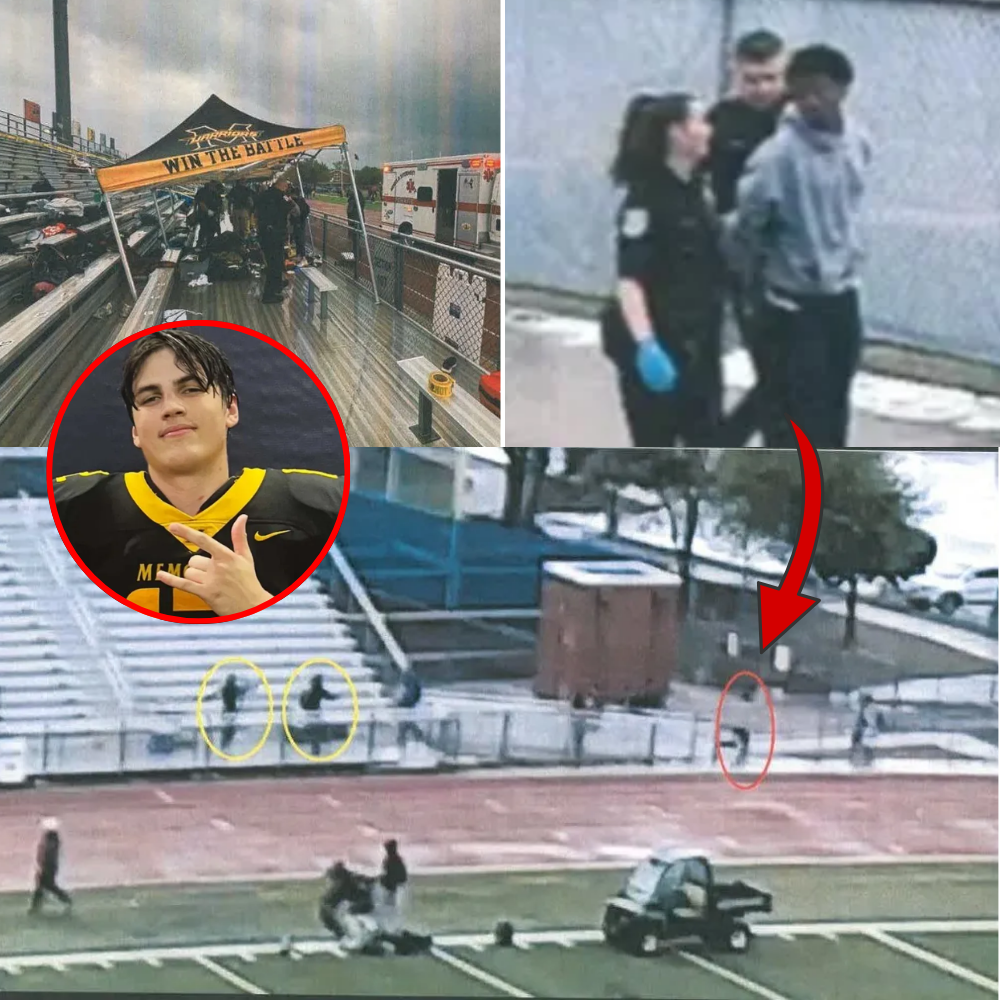
The tragic stabbing of 17-year-old Austin Metcalf at a Frisco ISD track meet in April 2025 sent shockwaves through Texas and beyond, culminating in the conviction of 19-year-old Karmelo Anthony on murder charges. Newly released evidence—including witness videos, body camera footage, and 911 calls—has provided a harrowing look at the sequence of events, from the initial confrontation to Anthony’s emotional breakdown during arrest.
The incident occurred at Kuykendall Stadium when Anthony and Metcalf, students from different schools who did not know each other, got into an argument reportedly over seating under a team tent. According to trial testimony and surveillance footage, Metcalf pushed Anthony in an attempt to remove him from the area. Moments later, Anthony allegedly pulled a pocketknife and stabbed Metcalf once in the chest, a wound that proved fatal.
Witness videos captured the chaos immediately after. Anthony is seen exiting the tent and sprinting away across the bleachers and out of the stadium as students pointed him out and gave chase. A coach eventually stopped him. In body camera footage released during the trial, officers approach Anthony with hands raised. He tells them, “I’m not alleged. I did it,” before breaking down in tears, repeatedly saying, “He put his hands on me. I told him not to.”
The emotional weight intensified with the release of 911 audio. Callers and coaches are heard in panic as they perform CPR on Metcalf. One coach, a military veteran, desperately urges the teen to “stay with me” while describing the chest wound. The frantic background screams and pleas for help painted a devastating picture of the immediate aftermath as friends and bystanders fought to save Austin’s life.
Anthony’s defense centered on self-defense, claiming he acted out of fear after being pushed. Prosecutors argued the response was disproportionate and that Anthony fled the scene, ditching the knife. After a highly publicized trial that sparked debates over race, school safety, and self-defense laws, a jury convicted Anthony of murder. He was sentenced to 35 years in prison.
This case highlights the devastating consequences of teen conflicts escalating in seconds. High school track meets are meant to celebrate athleticism and community, yet a simple dispute turned into irreversible tragedy. Metcalf, remembered as a promising athlete and beloved friend, had his future stolen. Anthony, who admitted to the act but claimed protection, now faces decades behind bars.
From a broader perspective, incidents like this expose vulnerabilities in youth events. Crowded venues, heightened emotions, and the presence of weapons—even small pocketknives—create dangerous flashpoints. The trial’s focus on video evidence and audio underscores how technology both documents tragedy and influences public perception and jury decisions.
Personally, the raw footage of Anthony running then sobbing in custody is profoundly unsettling. It captures the split-second nature of violence and its lifelong ripple effects. While self-defense is a fundamental right, the outcome here reminds us that actions in the heat of the moment carry permanent weight. Austin Metcalf’s final moments, as heard in the 911 calls, evoke deep empathy for his family and friends left to grieve a vibrant young life cut short.
The release of this evidence during and after the trial has fueled intense public discussion. Some see Anthony as a victim of overreaction or circumstance; others view the stabbing as an inexcusable loss of control. Regardless, the human cost is undeniable: one family mourning a son, another watching their child enter the prison system.
School districts and event organizers nationwide may revisit security protocols, conflict de-escalation training, and weapon policies in light of this case. For parents sending children to extracurricular activities, it serves as a sobering reminder that no environment is entirely immune to sudden violence.
Austin Metcalf’s legacy lives on through his family’s advocacy and the community’s remembrance of his character. Karmelo Anthony’s tears in the moment of arrest do not erase the loss, but they humanize the complex emotions surrounding such tragedies. As society grapples with youth violence, cases like this demand honest conversations about accountability, empathy, and prevention.
The videos and 911 calls ensure this story will not fade quietly. They stand as a stark record of how quickly normalcy at a spring track meet can shatter—and the heavy price paid when it does. In the end, two young lives were forever altered in the most tragic way possible, leaving families, friends, and a nation to reflect on what could have been different.