Ashlee Jenae Found in Closet with Belt Around Neck – Family Still Denied Autopsy Results 8 Days After Influencer’s Death in Zanzibar.
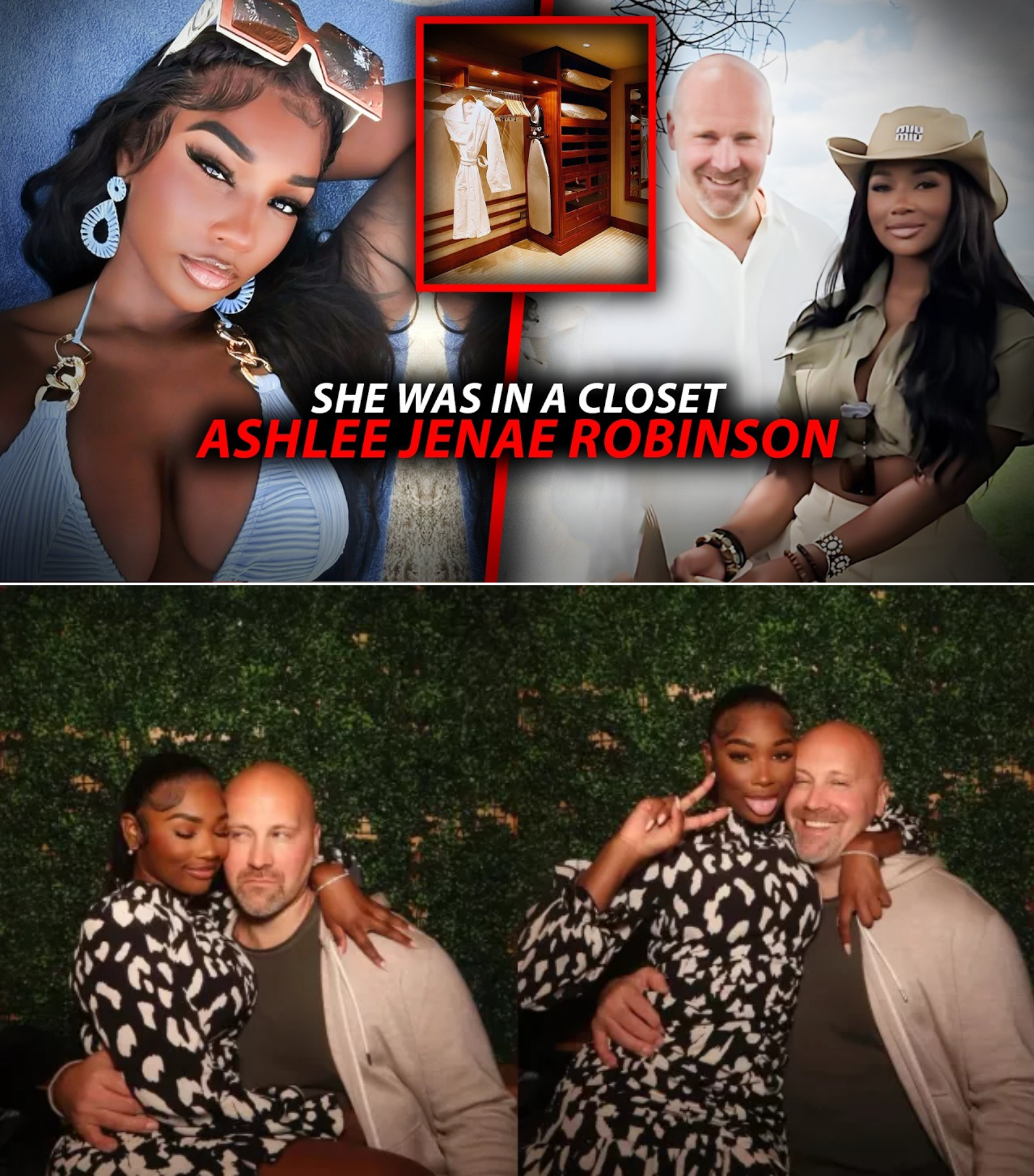
The tragic death of 31-year-old influencer Ashlee Jenae, known online as Ashly Robinson, continues to generate intense scrutiny as new details emerge about the circumstances surrounding her discovery in a luxury villa at Zuri Zanzibar. What was initially reported as a suicide following a single argument has evolved into a far more complex picture involving multiple days of conflict, a shocking location of discovery, and a family left in limbo despite a completed autopsy.
Ashlee, a vibrant content creator from South Jersey with over 100,000 followers, was on what should have been the trip of a lifetime. She had just celebrated her 31st birthday and become engaged to Joe McCann during the Zanzibar getaway. Social media posts showed her glowing with happiness, feeding giraffes and surrounded by rose petals. But behind the curated images, police now confirm the couple had been quarreling frequently from the moment they arrived on April 4 until the night of April 8. This pattern of conflict, witnessed by hotel staff, led to the couple being separated into different villas for safety.
The critical night unfolded with a narrow 15-minute window that remains central to the investigation. A hotel worker delivered a requested phone charger to Ashlee’s villa and was asked to return shortly after. Upon returning, the room was dark and locked. Inside the closet — not the main living area — the worker found Ashlee unresponsive with a belt around her neck. This specific detail, confirmed in police statements to major outlets, adds layers of complexity to the official narrative. Luxury villa closets typically feature lightweight decorative elements, raising questions about the mechanics and timing of events.
Ashlee was rushed to a local hospital and pronounced dead. Joe McCann reportedly contacted her family 11 hours later, claiming she was stable and had done something to herself. The family learned of her passing directly from the hotel rather than from him. In the days that followed, Joe was questioned by police on April 13 — four days after the incident — and his passport was confiscated while the investigation remains active. No charges have been filed, and he has made no public statements.
The family’s frustration has reached a boiling point. Ashlee’s father, Harry Robinson, traveled to Washington, D.C., to engage U.S. officials, successfully prompting contact between American authorities and Tanzanian investigators. A significant development emerged: the U.S. Embassy in Dar es Salaam dispatched a coroner to assist with the autopsy, confirming American government involvement in the forensic examination. The autopsy was completed on April 15, yet as of the latest reports, the family has received no official results, cause of death determination, or toxicology findings. They have only been told the investigation is ongoing.
This information vacuum has fueled widespread speculation and demands for transparency. Ashlee’s mother, Yolanda Denise Endres, provided one of the clearest accounts of the distressing call from Joe, highlighting the 11-hour delay and conflicting information. The family describes Ashlee as a joyful, ambitious woman who had everything to live for — recent engagement, thriving career, and plans for the future. They reject the initial suicide narrative and continue pushing for full disclosure, including hotel surveillance footage and complete medical records.
Broader context adds pressure to the case. Tanzania’s tourism-dependent economy and media regulations have limited local reporting, placing greater reliance on international outlets and family advocacy. The involvement of a U.S. coroner signals heightened interest from American authorities, potentially paving the way for independent review. Questions persist about staff awareness during the days of reported quarrels, the decision to separate the couple, and the handling of the narrow discovery window.
True crime communities and Ashlee’s followers have dissected every update. The influencer’s abrupt social media silence after her joyful birthday posts stands in stark contrast to her usual activity. Physical details, such as the closet location and belt, invite expert analysis on consistency with reported events. The delay in family notification and lack of autopsy transparency have become focal points for calls for justice.
As the investigation continues without public resolution, Ashlee’s loved ones remain in a painful holding pattern. Plans for repatriation, funeral arrangements, and an independent autopsy move forward amid uncertainty. The case highlights vulnerabilities for travelers, particularly women influencers in foreign jurisdictions, where power dynamics between tourism, local authorities, and grieving families can complicate accountability.
Ashlee Jenae built her platform on sharing beauty, travel, and aspirational living. Her final chapter has become a rallying point for truth-seeking in international tragedies. Whether the autopsy and toxicology ultimately support suicide, foul play, or another explanation, the family’s persistence ensures her story will not fade quietly. Eight days after her death, with results still withheld, the world watches as questions mount in the shadows of a paradise villa.