Conflicting Reports on Cardi B’s Tour Revenue Spark Online Discussion
Recent online discussions have focused on reported revenue figures associated with the “Little Miss Drama” tour by Cardi B, as differing numbers from industry sources have prompted questions among observers. The conversation centers on a discrepancy between reported totals, with some figures approaching $70 million while others indicate a slightly lower amount.
One of the sources referenced in these discussions is Pollstar, which tracks live event data and regularly publishes tour revenue estimates. According to available figures, the tour’s gross revenue has been listed at approximately $68.4 million. At the same time, other reports and public statements have suggested a figure closer to $70 million, creating a gap that has become the subject of debate.
Industry analysts note that discrepancies of this nature are not uncommon in live event reporting. Tour revenue figures can vary depending on factors such as reporting timelines, inclusion of additional dates, currency conversions, and adjustments made after initial estimates. As a result, different sources may present slightly different totals without implying any irregularity.
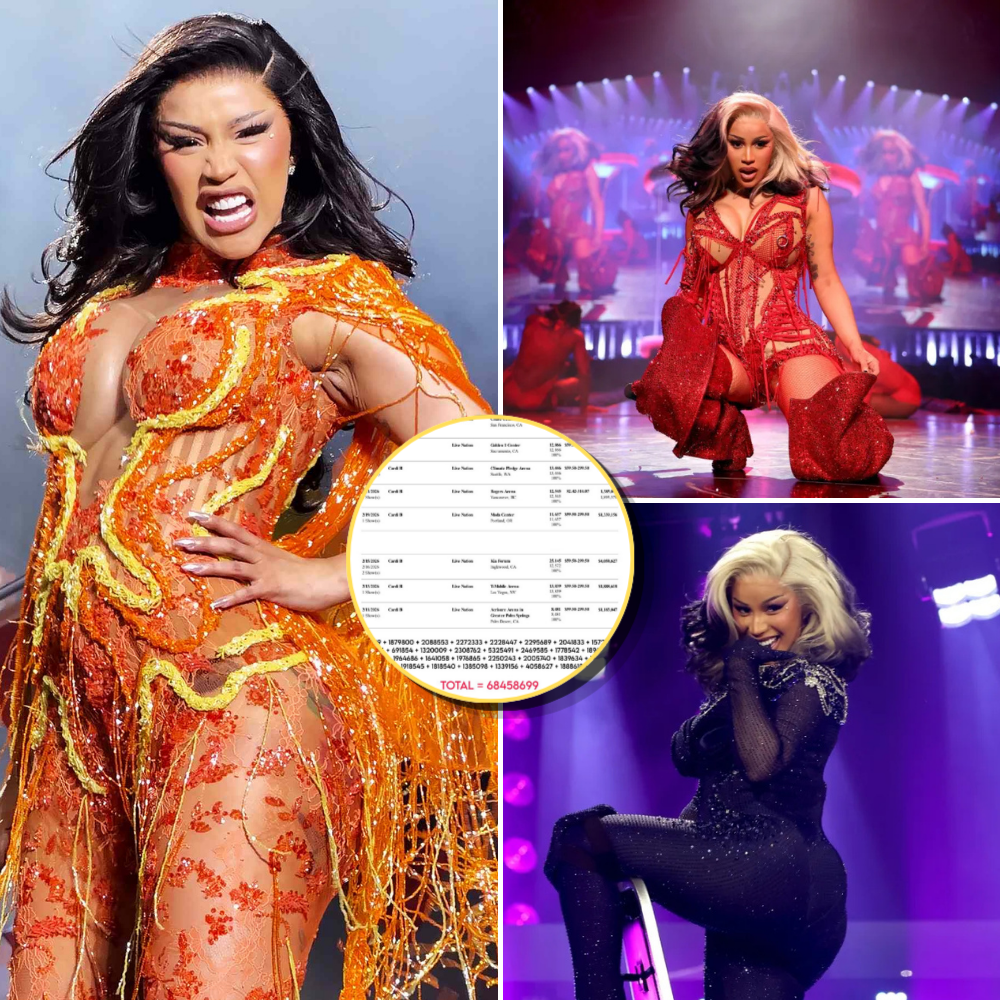
The discussion has also referenced Touring Data, another outlet that compiles information on live performances. Some online commentary has suggested that previously published figures may have been updated or removed, though there has been no official confirmation of any external influence affecting these changes. Data revisions can occur for a variety of reasons, including the availability of updated information or corrections to earlier estimates.
Experts in the live entertainment industry emphasize that revenue reporting is often a dynamic process. Initial figures may be based on partial data, with final totals adjusted as more complete information becomes available. This can include late-reported shows, updated ticket sales, or revised accounting from promoters and venues.
The role of public perception also contributes to the discussion. High-profile artists frequently share milestones related to their tours, highlighting achievements such as ticket sales or gross revenue. These statements are typically based on internal data or projections, which may differ slightly from third-party estimates due to timing or methodology.
Observers caution against drawing definitive conclusions from limited information. Without access to complete financial records, it can be difficult to determine the precise reasons for any discrepancy. Differences of a relatively small percentage, such as the figures currently being discussed, may fall within the normal range of variation for large-scale tours.
The conversation surrounding the tour’s reported revenue reflects broader patterns in how entertainment data is consumed and interpreted. In the digital age, figures are often shared and compared rapidly, sometimes without full context. This can lead to heightened attention on minor differences that may have straightforward explanations.
At the same time, transparency in reporting remains an important consideration. Industry publications aim to provide accurate and reliable data, but their figures depend on the information available to them. As such, updates and revisions are a standard part of the process rather than an indication of inconsistency.
The discussion has gained traction on social media, where users have analyzed and compared the reported numbers. While some have interpreted the discrepancy as significant, others have pointed out that the difference represents a small proportion of the overall total. This range of perspectives highlights the subjective nature of interpreting numerical data.
Representatives for the artist have not issued a detailed statement addressing the specific figures in question. In many cases, such matters are not publicly clarified unless they involve substantial differences or require formal correction. As a result, the available information remains limited to published reports and public commentary.
Industry observers suggest that the focus on the discrepancy may diminish as additional data becomes available. Final tour totals are often confirmed after all dates have been accounted for and financial reporting is complete. At that point, differences between sources may be reconciled or clarified.
Ultimately, the situation underscores the complexities of tracking and reporting live event revenue. While the current discussion has highlighted a specific numerical gap, it also reflects the broader challenges of interpreting data in a rapidly evolving information environment.
For now, the reported figures remain within a relatively narrow range, and no verified evidence has emerged to suggest irregularities beyond normal reporting variation. As the conversation continues, the emphasis remains on understanding how such discrepancies arise and how they are resolved within the industry.