Magda Szubanski Warns of Fake Health Ads Misusing Her Image as Scam Spreads Online
Australian entertainer Magda Szubanski has issued a public warning after discovering that her name and likeness are being used in a widespread online health scam. The fraudulent advertisements, which have been circulating across social media platforms, falsely suggest that she is endorsing so-called “miracle” products. Szubanski has strongly denied any involvement and is urging the public to remain vigilant.
In a recent statement, Szubanski made it clear that the promotions are entirely fabricated. The ads often feature manipulated images and misleading claims designed to appear legitimate, creating the impression of a trusted celebrity endorsement. Experts note that this tactic is commonly used in scams to build credibility quickly and persuade users to click links or make purchases without verifying the source.
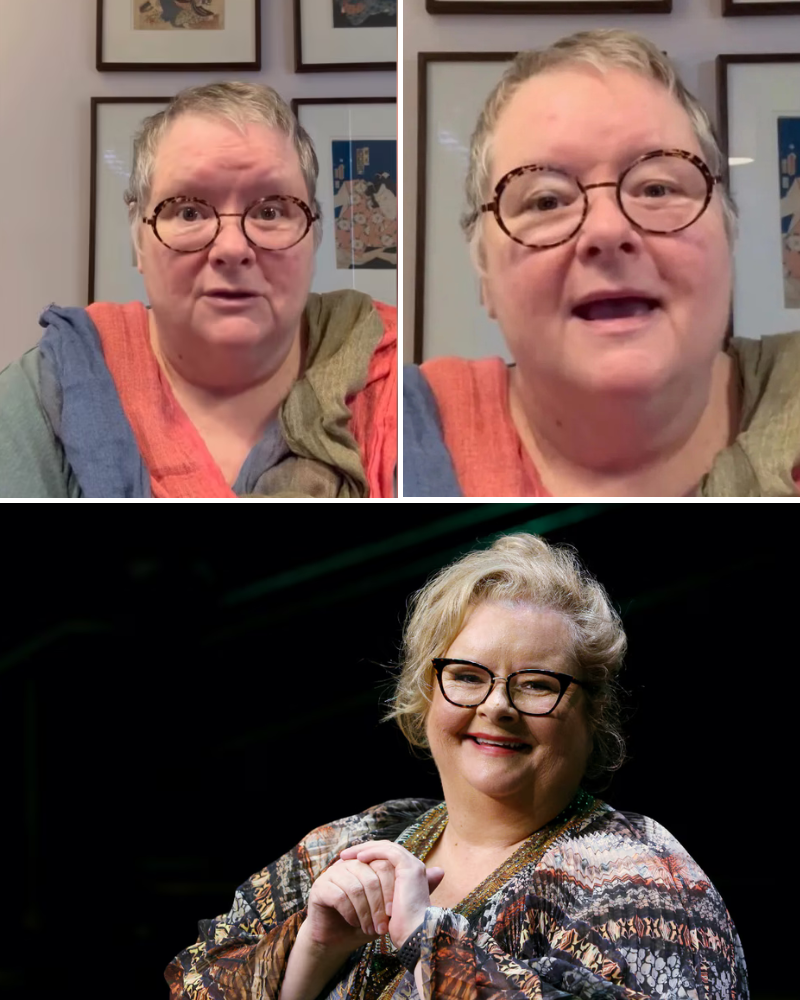
Authorities and cybersecurity specialists warn that such scams can be difficult to detect at first glance. The content is often professionally produced, mimicking the style of legitimate advertisements or news articles. In some cases, scammers use edited video clips or fabricated testimonials to reinforce the illusion. Szubanski emphasized that she has no connection to any of the products being promoted and encouraged people to question any advertisement that appears suspicious.
The spread of these ads has raised concerns about the broader issue of online impersonation and digital fraud. Victims of similar scams have reported financial losses and, in some cases, exposure of personal information after interacting with fraudulent links. Officials recommend avoiding any offers that seem too good to be true, particularly those promising rapid health benefits or dramatic results without credible evidence.
Szubanski’s warning highlights the growing challenge of combating misinformation and scams in the digital age. Social media platforms have taken steps to remove fraudulent content, but new variations often appear quickly, making enforcement difficult. Users are advised to rely on official sources and verified accounts when evaluating claims involving public figures.
In addition to raising awareness, Szubanski has encouraged those who encounter such ads to report them through platform reporting tools. This can help limit their reach and prevent further harm. Authorities also suggest checking official websites or statements from the individuals involved before trusting any endorsement.
As the situation continues to develop, the message remains clear: caution is essential when navigating online content. By staying alert and verifying information, users can reduce the risk of falling victim to scams that exploit familiar faces and trusted names.