UPDATED: Suspect in Alleged Murder of Wife and Two Daughters at UK Mansion Arrested After Fleeing to Zimbabwe.
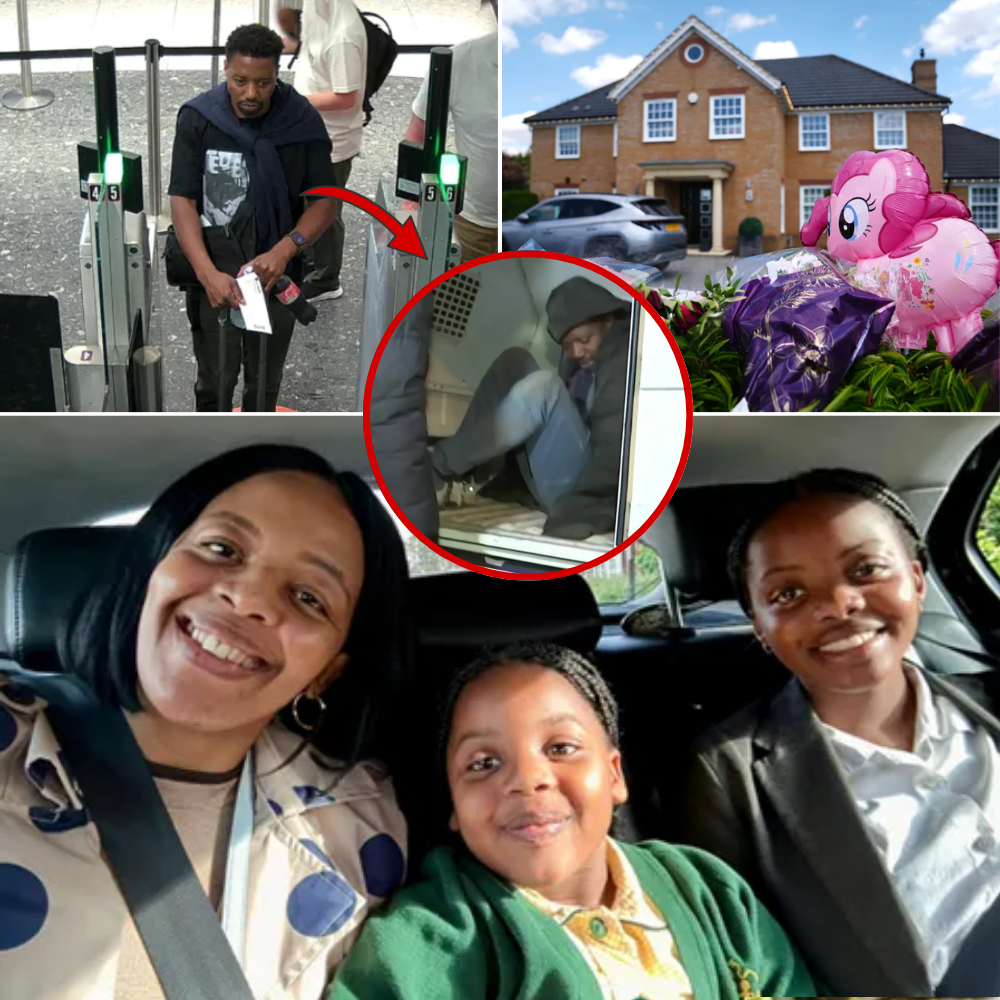
A man suspected of the horrific murders of his wife and two young daughters in their luxury Bedfordshire mansion has been arrested following a dramatic international manhunt. Ndodana Mkhanyisi Tshuma, also known as Mark, fled the UK to Zimbabwe shortly before the bodies of Nothabo Zandile Tshuma, 42, and their daughters Natalie, 15, and Nala, 5, were discovered. The case, which has shocked the quiet community of Great Denham, has taken a significant turn with his apprehension, bringing some measure of accountability amid profound grief.
Police forced entry into the family’s £1.3 million home in Carnoustie Drive after concerns that the family had not been seen for several days. The discovery of the three bodies prompted an immediate murder investigation. Tshuma, a British citizen of Zimbabwean heritage and a successful IT/property businessman, was quickly identified as the prime suspect. CCTV footage captured him at Heathrow Airport on a British passport, heading to Zimbabwe just days before the grim find. Bedfordshire Police launched an urgent international appeal, working with partners to track him down.
The arrest marks a key development in a case already filled with tragedy. Reports suggest the family had been experiencing difficulties, with friends noting the mother had discussed divorce. The suspect’s business success contrasted sharply with the horror unfolding at home, raising difficult questions about hidden struggles behind closed doors. Neighbours described the area as peaceful, making the violence even more jarring. Tshuma’s flight and subsequent arrest highlight the challenges—and successes—of cross-border cooperation in serious crime investigations.
From a personal standpoint, this case is a devastating reminder of how domestic issues can escalate fatally. No family is immune, regardless of wealth or status. The loss of a mother and two innocent children is heartbreaking, leaving extended family and the community reeling. It also spotlights the importance of vigilance—friends, neighbours, and support services noticing warning signs. While the suspect’s arrest brings a step toward justice, nothing can restore what was taken. It underscores the need for robust domestic violence prevention and mental health resources to intervene before tragedy strikes.
Broader insights reveal systemic issues in family safety. High-value properties do not shield against internal crises; in fact, isolation and pressure can exacerbate problems. International flight adds complexity, but swift action by UK and regional authorities shows improving coordination. For Zimbabwean and British communities, the case may prompt reflection on cultural pressures around marriage and success. The business community has also expressed shock, given Tshuma’s professional profile.
Ultimately, the arrest of the suspect in the alleged murders of his wife and two daughters provides a measure of closure for investigators, but the pain for those left behind endures. As the legal process unfolds, focus must remain on supporting the victims’ loved ones and preventing similar horrors. This tragedy, born in a mansion meant to be a sanctuary, serves as a stark call for stronger safeguards, awareness, and compassion in our homes and society. May the memories of Nothabo, Natalie, and Nala be honoured through meaningful change.