Family’s Devastating Admission of Missed Warnings in Aftermath of Alleged Cannibalism Tragedy Involving 4-Year-Old Son.
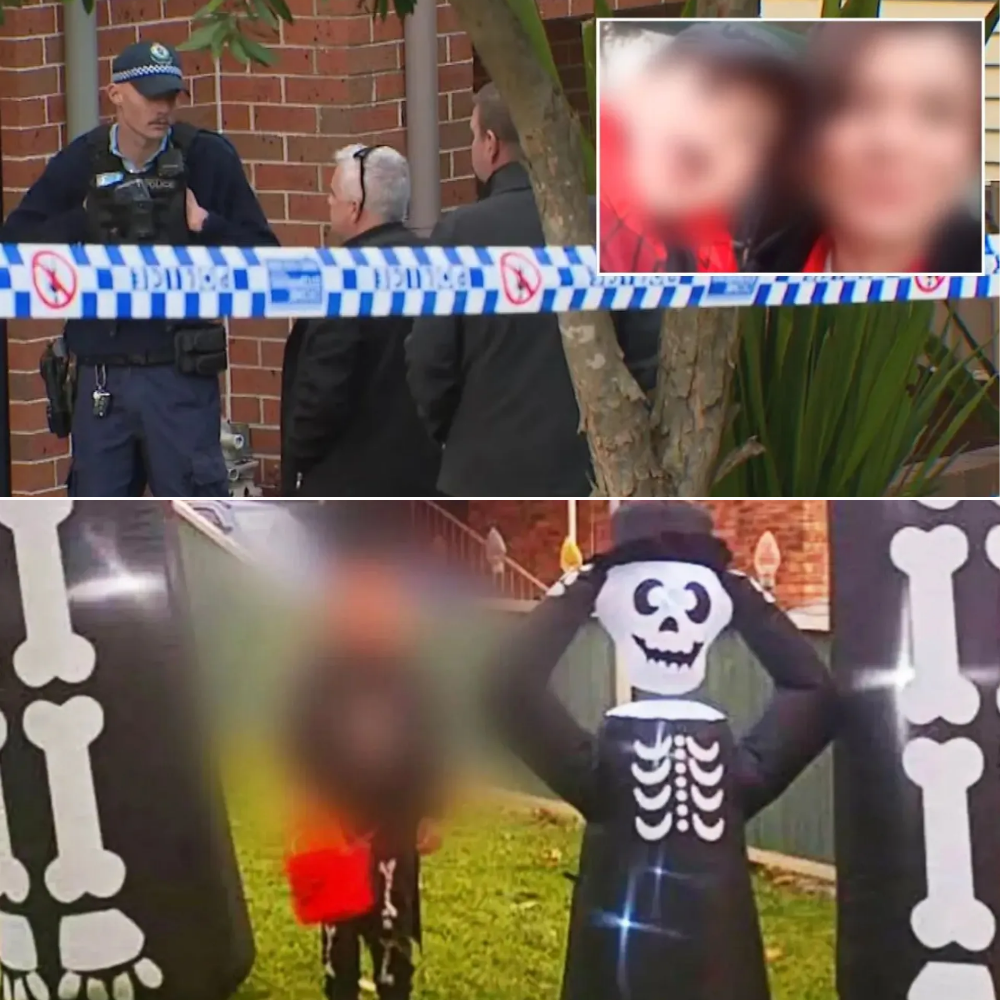
In the quiet coastal community of Wyong on Australia’s NSW Central Coast, a case of unimaginable horror has shaken families and authorities alike. A 32-year-old mother stands charged with the murder of her four-year-old son, following allegations that she not only killed the child but consumed parts of his body. As police investigate the disturbing claims, the woman’s family has now spoken out, offering a tragic admission that underscores systemic failures and personal regrets in the lead-up to the incident.
According to reports, the mother turned herself in to Wyong Police Station on a Saturday afternoon in early July 2026. She allegedly confessed to authorities, prompting officers to conduct a welfare check at her home. There, they discovered the boy’s body with significant injuries, particularly to his arm—a scene described by Superintendent Chad Gillies as “extremely confronting,” so harrowing that first responders required support services. Forensic procedures were swiftly ordered, including swabs from the mother’s mouth, blood samples, and fingernail clippings, as investigators probe the cannibalism allegations. The child is believed to have been deceased for several days prior to the discovery.
The family’s public statement comes amid profound grief and self-reflection. The woman’s brother, who shares a close age proximity with her, revealed text messages exchanged just days before the alleged events. In them, she appeared “okay” and expressed pride in his own progress with parenting challenges. Yet, the family now agonizes over whether they could have intervened more forcefully. The brother told media that their father and older sibling also wrestle with guilt, noting concerns about returning the child to her care after a period of rehab. “We should have stepped in,” he admitted, highlighting a heartbreaking hindsight that many families facing addiction and mental health crises know all too well.
This tragedy did not emerge in isolation. Court and welfare records paint a picture of a woman with a history of substance issues, including drink-driving offenses and an interlock device requirement. She and her son had recently moved into community housing on Byron Street, reportedly to escape domestic violence. Multiple child safety reports had been filed previously, raising questions about oversight by welfare agencies. Drug counselors and support workers had facilitated the relocation, but neighbors reported no overt signs of trouble—underscoring how hidden battles can evade detection until catastrophe strikes.
From a personal standpoint, this case forces uncomfortable conversations about societal responsibility. Addiction and untreated mental health do not excuse violence, yet they demand proactive systems that prioritize vulnerable children before crises peak. The family’s regret reflects a common thread in such stories: love mixed with powerlessness when formal supports fall short. As a society, we must ask—how many warning signs slip through bureaucratic cracks? Stronger integration between rehab services, child protection, and family networks could prevent future horrors. The mother’s alleged actions are monstrous, but the broader failure to safeguard the boy points to collective shortcomings we cannot ignore.
The investigation continues, with the mother’s case adjourned to September. An autopsy will confirm the exact cause of death, while forensic evidence aims to substantiate or contextualize the chilling claims. Police emphasize this as a domestic violence-related murder, adding layers of complexity around cycles of abuse, substance dependency, and isolation.
Ultimately, this story transcends sensational headlines. It is a profound loss for a young life cut short and a family’s shattered world. The tragic admission from loved ones—”we should have stepped in”—serves as a stark call to action: better resourcing for at-risk families, destigmatizing mental health support, and community vigilance can make the difference between intervention and irreversible regret. In mourning this innocent child, we honor his memory by demanding systems that truly protect the most defenseless among us. May this spur meaningful change rather than fleeting outrage.