Ukrainian Intelligence Agent’s Dramatic Court Flip Blames Accomplice in Murder of Monaco Bombing Suspect.
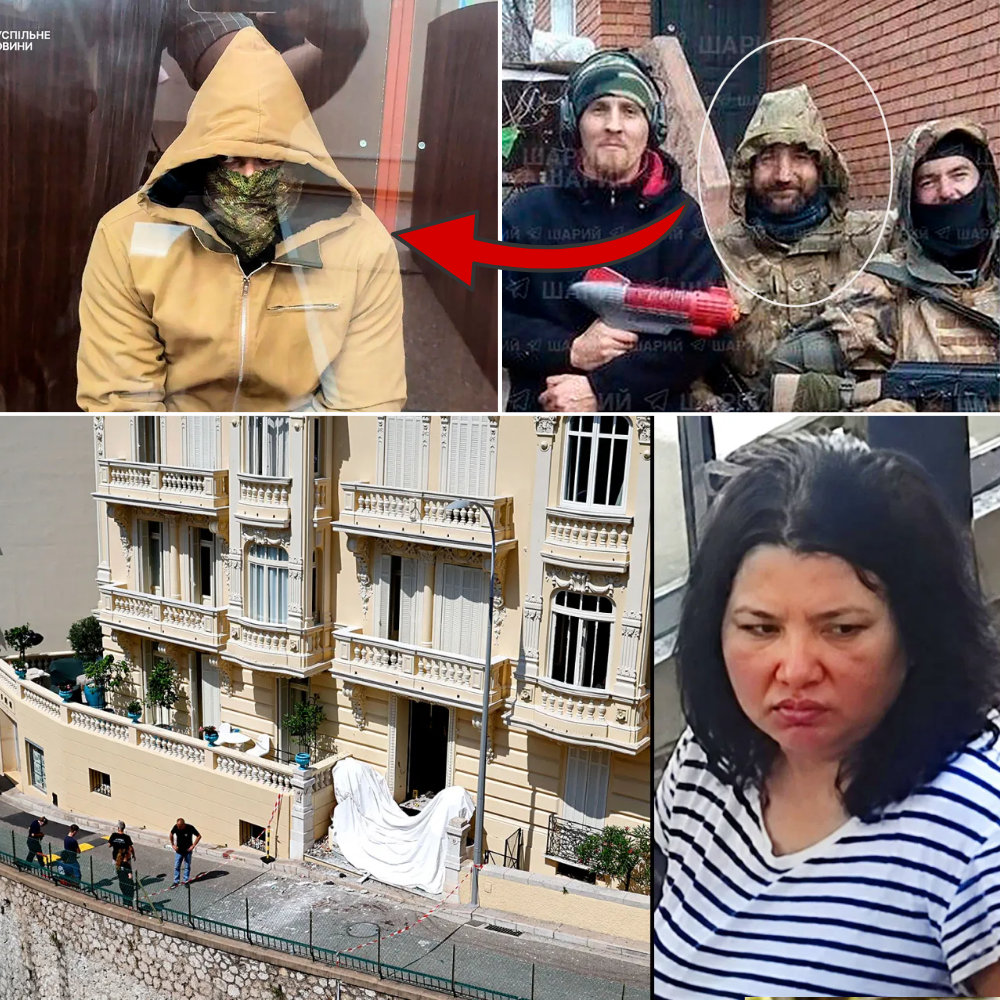
In a stunning courtroom reversal that has deepened the mystery surrounding a high-profile assassination attempt in Monaco, a Ukrainian military intelligence officer has dramatically changed his account of the killing of the prime suspect. Vladyslav Reut, initially reported to have confessed to the murder of Anastasiia Berezovska, now pins primary responsibility on his alleged accomplice, claiming he did not pull the trigger himself. The development adds layers of intrigue to a case already entangled with espionage, alleged torture chambers, and cross-border payments.
Berezovska, a 39-year-old Ukrainian woman, had been the focus of an international manhunt after being identified as the suspect in a parcel bomb attack in Monaco on June 29, 2026. The explosion seriously injured Ukrainian-born businessman Vadym Iermolaiev, his partner, and their 13-year-old child. She fled to Ukraine shortly afterward, only for her body to be discovered with gunshot wounds to the head near Kyiv. Reut, a serving officer in Ukraine’s GUR military intelligence, and a former law enforcement officer, Vitalii Zhykovych, were detained in connection with her death.
During an earlier stage of the investigation, Reut reportedly led authorities to Berezovska’s shallow grave in woods west of Kyiv and admitted involvement. However, appearing in a Kyiv court for a custody hearing, he categorically denied committing the murder. Instead, Reut claimed his accomplice fired the shots—first in the back of the head, followed by additional rounds—while he stood nearby. He insisted he acted without informing superiors and emphasized his service defending Ukraine against enemy combatants, stating he would never intentionally kill an innocent civilian woman. Reut even offered to take a polygraph test to prove his revised version.
The case’s complexities extend far beyond the murder itself. Investigators uncovered financial transfers from both men to Berezovska via bank accounts and cryptocurrency, raising questions about their potential links to the Monaco bombing. A search of the former officer’s home allegedly revealed a basement resembling a torture chamber. Ukrainian authorities, including the SBU and GUR, have stressed cooperation with Monaco’s investigation while asserting Reut acted on his own initiative without official sanction. Berezovska’s role in the Monaco attack—disguised and planting the device—remains under scrutiny, with motives possibly tied to organized crime or personal grudges rather than terrorism.
This rapid shift in narrative offers telling insights into the murky world of intelligence operations and criminal investigations during wartime. Ukraine’s security services operate under immense pressure, balancing defense against Russia with internal accountability. Reut’s flip could be a strategic legal maneuver, an attempt at self-preservation, or a reflection of genuine complexities in the events. From my perspective, it highlights the challenges of transparency in sensitive cases: initial confessions often give way to nuanced accounts once formal proceedings begin, especially when state actors are involved. It also underscores risks of rogue elements or personal vendettas complicating official efforts, potentially damaging trust with international partners like Monaco.
Broader implications ripple across borders. The Monaco bombing targeted a prominent Ukrainian-born figure, shaking the principality’s reputation for safety. Berezovska’s swift return to Ukraine and subsequent death fuel speculation about elimination to silence loose ends. For Kyiv, the case tests its commitment to rule of law amid conflict—vital for EU accession aspirations. Families of all involved face unimaginable pain, while the injured in Monaco continue recovery.
Personally, this saga reminds us how quickly narratives evolve in high-stakes probes. While justice must prevail, the human cost—lost lives, fractured trusts, and traumatized communities—demands careful handling. Reut’s insistence on innocence regarding the fatal shots, contrasted with his admitted presence, leaves many questions unanswered. As the pre-trial investigation advances, with charges of premeditated murder by a group, polygraphs, forensics, and cross-verification will be key. Ukraine’s sharing of information with Monaco signals willingness for accountability, but full clarity may take months.
In the end, the Ukrainian spy’s sensational story change transforms a grim murder into a tangled web of accusations, alibis, and potential cover-ups. Whether it reveals rogue actions or deeper intrigues, the episode exposes vulnerabilities in intelligence work and the pursuit of justice in turbulent times. As courts deliberate and evidence mounts, one thing remains clear: the truth behind the Monaco bomber’s fate is far from straightforward, with repercussions echoing from Kyiv’s woods to the Mediterranean shores.