Shattered Sanctuary: The Affluent Family Murders That Shook Great Denham and Sparked an International Manhunt.
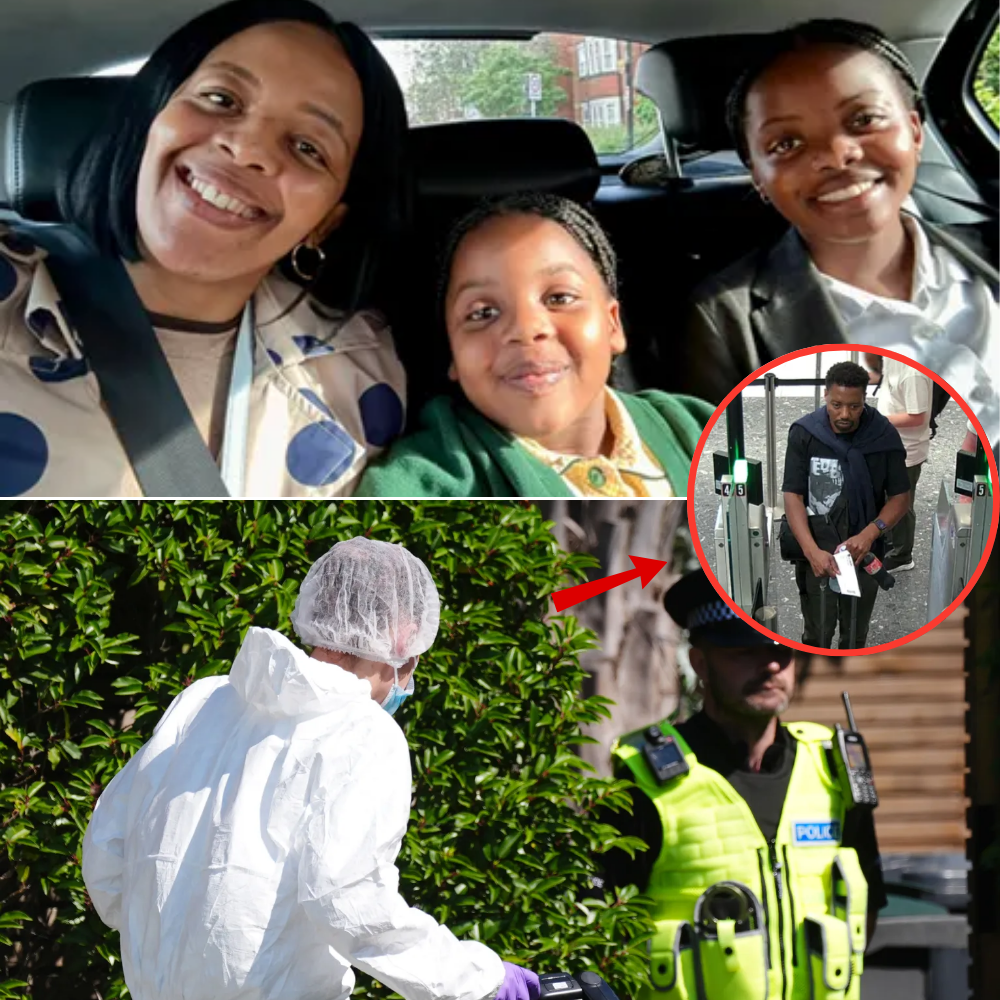
In the leafy, upscale neighborhood of Great Denham, Bedfordshire, a £1.3 million family home on Carnoustie Drive stood as a symbol of success—a spacious detached property with a swimming pool, four bedrooms, and the promise of a bright future for its residents. Yet behind those walls, an unimaginable horror unfolded, leaving a community in mourning and authorities in pursuit of a suspect across borders. On Monday, July 6, 2026, Bedfordshire Police forced entry into the residence after concerns that the family had not been seen for several days. Inside, officers discovered the bodies of a mother and her two young daughters.
The victims have been named as Nothabo Zandile Tshuma, 42, affectionately known as Zandile; her 15-year-old daughter Natalie; and five-year-old Nala. The family, originally of Zimbabwean heritage but building a life in the UK, appeared to embody stability. The girls were privately educated—Natalie at Bedford Girls’ School and Nala at Pilgrims Pre Prep—while the father, Ndodana Mkhanyisi Tshuma, also known as Mark, worked as a senior IT manager earning around £100,000 annually and ran a property business, Nexus Trove Holdings, with significant assets.
Tragically, police have identified 45-year-old Ndodana as the primary suspect in what is being treated as a triple murder investigation. CCTV footage released by authorities shows him at Heathrow Airport on Saturday, July 4, using his British passport before allegedly fleeing to Zimbabwe. Detectives from the Bedfordshire, Cambridgeshire, and Hertfordshire Major Crime Unit have launched an urgent international manhunt, working with agencies to apprehend him. A direct appeal from Detective Inspector Lee Martin urged the suspect: “Mark, unthinkable harm has been caused to those around you… Please do the right thing, come forward and hand yourself in.” The investigation underscores that criminal probes know no borders.
From my perspective, this case pierces the illusion of suburban safety. An affluent setting with private schooling and business success often masks deeper personal struggles—financial pressures, mental health challenges, or cultural tensions within immigrant families navigating dual identities. Zandile was described by relatives as gracious, highlighting the profound loss felt by the extended Khumalo family, who spoke of “unimaginable loss.” The speed of the suspect’s departure raises questions about premeditation and the failures of support systems to intervene before tragedy strikes.
Adding insight, domestic violence and familicide cases often follow patterns of escalating control or despair. Here, the father’s high-flying career contrasted with the sudden flight, suggesting possible underlying issues like debt, relationship breakdown, or untreated psychological strain despite outward prosperity. The property, purchased for £1.27 million in May 2024, represented new beginnings, yet it became the site of devastation. Neighbors, stunned in this peaceful village overlooking former golf grounds, have left flowers at the cordoned-off home, a testament to communal grief.
Personally, stories like this evoke a call for greater societal vigilance. Mental health resources must be accessible regardless of income or status; private education and luxury homes do not immunize against inner turmoil. For families of Zimbabwean-British heritage, cultural expectations around success and stoicism may discourage seeking help. This tragedy demands reflection on how we support parents under pressure and protect children—the true innocents—in seemingly stable households. The girls’ young ages, 15 and 5, amplify the heartbreak; their futures, filled with potential, were stolen in an act that defies comprehension.
Broader implications touch on international justice. Zimbabwe is not a primary UK extradition partner, complicating efforts, yet authorities remain resolute. This case highlights the need for stronger cross-border cooperation in an interconnected world. It also serves as a stark reminder for communities: welfare checks and neighborly awareness can save lives when isolation sets in.
As tributes pour in and the manhunt continues, the focus remains on justice for Zandile, Natalie, and Nala. Their lives, marked by promise and love, deserve remembrance beyond the violence that ended them. In the wake of such loss, families and authorities alike must prioritize prevention—through open conversations, accessible counseling, and robust safety nets. The dream home that became a crime scene stands as a somber warning: true security lies not in material wealth but in emotional well-being and communal bonds. May this horror spur meaningful change, ensuring no other family endures such shattering pain.