The 2-Minute Garage Door Mystery: What Happened to Nancy Guthrie in the Dead of Night?
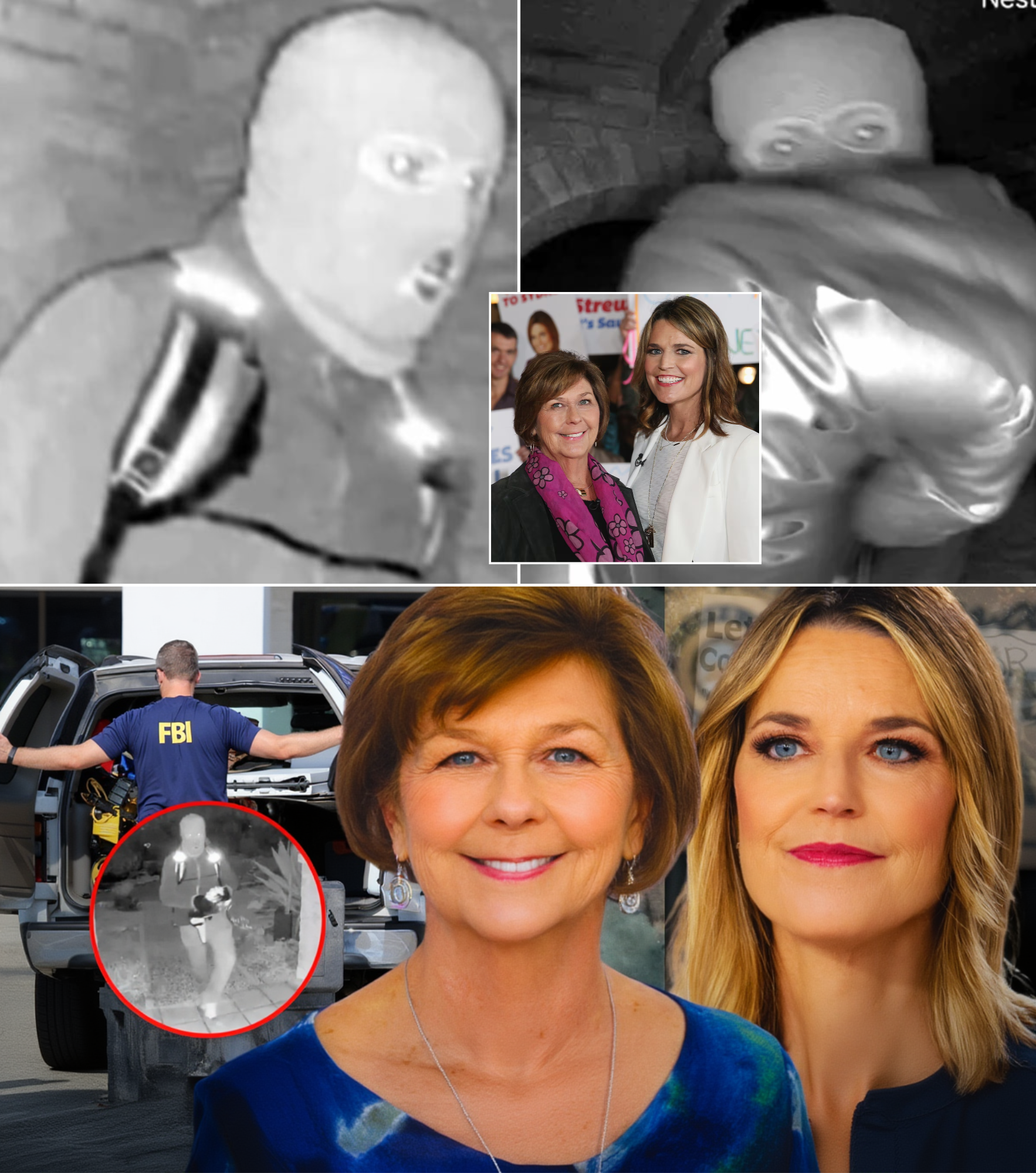
On a quiet February evening in 2026, 84-year-old Nancy Guthrie returned home after an ordinary social outing in Tucson, Arizona. At precisely 9:48 PM, she was dropped off at her residence. The garage door rolled open to let her in. Then, exactly two minutes later, it closed again. What unfolded in those 120 seconds — and the harrowing hours that followed — has become one of the most disturbing unsolved disappearances of the year.
Nancy lived alone but maintained a small staff for household help and maintenance. She was known as an independent, vibrant senior who enjoyed her routines. That night, however, something went terribly wrong. According to timelines confirmed by NBC News and the Pima County Sheriff’s Department, the garage door’s swift closure left an eerily short window of opportunity — roughly 80 seconds of full access while the door was open. Modern garage systems can close automatically on a timer, yet investigators and online sleuths alike are fixated on whether someone else was present or waiting.
By 1:47 AM, the doorbell camera covering the front entryway, driveway, and street suddenly went offline. Whether due to a power cut, network failure, or deliberate tampering remains unconfirmed. Forty-one minutes later, at 2:28 AM, Nancy’s pacemaker — a device that continuously monitors and transmits cardiac data — stopped sending signals entirely. That marked the end of any electronic trace of her presence inside the home.
Even more unsettling: law enforcement sources revealed that flower pots had been deliberately propped against the back screen door and rear gate. These were positioned to keep the entries from latching quietly or to allow easy, repeated access without triggering noise or alarms. The rear of the property was not covered by the front doorbell camera, creating a perfect blind spot for anyone familiar with the layout.
The 4.5-hour gap between the garage door closing and the camera going dark is now the focal point of the investigation. No ransom demand has been publicly detailed in early reports, but forensic evidence including DNA was reportedly recovered from the scene. The FBI has joined the Pima County Sheriff’s Department, signaling the case’s complexity and potential for interstate elements or sophisticated planning.
Nancy’s pacemaker disconnection suggests a critical medical event, possible relocation, or interference with her monitoring equipment. For an elderly woman living independently, the sudden loss of signal in the middle of the night raises immediate red flags about foul play rather than a simple medical episode.
Community discussions online have exploded with theories. Some point to the quick garage closure as evidence of an intruder already inside or entering right behind her. Others note that staff members would naturally know the property’s security quirks, camera placements, and daily routines — though no one has been named a suspect and all individuals remain presumed innocent until proven otherwise.
The case echoes classic elements of premeditated home invasions targeting vulnerable seniors: knowledge of the victim’s schedule, manipulation of access points, and strategic disabling of surveillance. Yet the absence of immediate forced entry signs and the calculated use of the rear “propped” exits point toward someone who studied the house carefully.
As weeks turn into months with no arrest, pressure mounts on authorities to release more details. Tips continue to pour in, but the public remains in the dark about key forensic findings. Was this a random crime of opportunity, or did someone close to Nancy orchestrate the perfect vanishing act?
The flower pots, the two-minute garage window, and the cascading failures of security and medical devices paint a picture of systematic planning. In true crime circles, these small details often crack the biggest cases.
Nancy Guthrie’s story is a stark reminder that safety behind closed doors can shatter in minutes. Her family and friends continue to plead for information, hoping the 4.5-hour black hole will eventually yield answers.
Authorities urge anyone with knowledge of Nancy’s movements that night or unusual activity around her Tucson home to contact the Pima County Sheriff’s Department or the FBI tip line immediately. Even the smallest observation could break this case wide open.
As the investigation deepens, one question lingers louder than the rest: what exactly happened in those two minutes after 9:48 PM — and why has the truth remained hidden for so long?