The Heartbreaking Jail Letters Tanner Horner Wrote Before His Suicide Attempt Are Now Public.
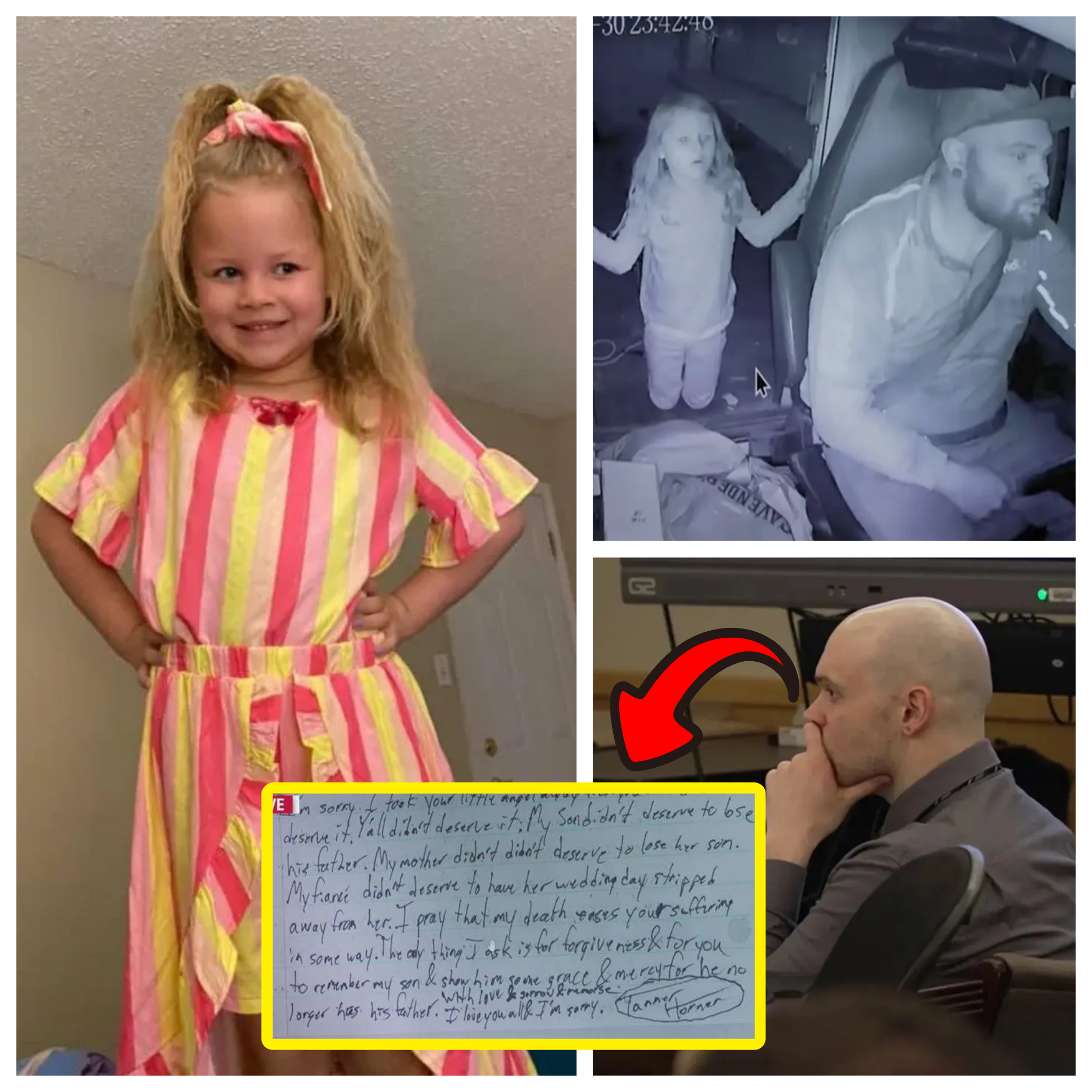
The sentencing phase of Tanner Horner’s trial for the 2022 kidnapping and murder of 7-year-old Athena Strand has taken an emotional and revealing turn. The former FedEx driver, who pleaded guilty to capital murder and aggravated kidnapping in April 2026, faces either the death penalty or life without parole. On Monday, jurors heard chilling handwritten letters that Horner penned from his jail cell in 2023, just before he attempted suicide.
Five letters were discovered inside Horner’s cell after the suicide attempt. They were addressed to Athena Strand’s family, his own family, his fiancée, his church, and the detectives investigating the case. One by one, portions of the letters were read aloud in court, providing a raw, unfiltered glimpse into Horner’s state of mind months after the crime.
In the letter directed to Athena’s grieving family, Horner began with deep remorse. He wrote, “To Athena’s family. I wanted to start by saying how sorry I am about Athena… I can’t hold it in any longer. I’ve done a terrible thing to your family, and I’m sorry.” He continued by acknowledging the permanent loss: “You will never get to see your baby girl grow up. She didn’t deserve it.” Horner also mentioned sleepless nights, praying for the family, and how his “mental state” had become unstable, affecting many people.
The apology carried a tone of personal breakdown. He admitted that his legal counsel had advised him against apologizing, yet he could no longer stay silent. The letter painted a picture of regret and internal torment, with Horner expressing sorrow for the pain inflicted on Athena’s loved ones and the broader community.
However, another letter addressed to the detectives told a starkly different story. In it, Horner claimed a mysterious gunman had forced him to take Athena, threatening his own family if he did not comply. This version directly contradicted the apology letter and the facts prosecutors presented — that Horner kidnapped the little girl while delivering packages in rural Wise County, Texas, then killed her shortly afterward.
The revelation of these conflicting letters has intensified the emotional weight of the sentencing phase. Jurors also heard testimony about Horner searching for information on “missing girl” and FedEx truck cameras after the abduction, suggesting he was actively trying to cover his tracks. Autopsy photos and other evidence have already been shown in court, adding to the grim atmosphere.
Athena Strand was just 7 years old when she was taken from her front yard in November 2022. Her family has endured unimaginable loss, and the letters — particularly the direct address to them — brought raw pain back into the courtroom. Athena’s loved ones have described her as a bright, joyful child whose life was violently cut short.
Horner’s defense has not yet fully explained the contradictions between the letters. The apology to the family suggests genuine remorse, while the alternative narrative to detectives appears to shift blame. Prosecutors are using the documents to argue that Horner’s actions were deliberate and that his mental state claims do not excuse the brutality of the crime.
The trial is now focused on punishment. Texas jurors must decide whether Horner should receive the death penalty or spend the rest of his life in prison without the possibility of parole. The letters, discovered after his suicide attempt, have become pivotal evidence in that decision.
This case has drawn national attention not only because of the horrific nature of the crime against a young child but also because of the complex psychological portrait emerging from Horner’s own words. The contrast between his apology and his alternative story raises questions about accountability, remorse, and manipulation.
As the sentencing phase continues, Athena’s family sits in court seeking justice and closure. The handwritten letters from Horner’s darkest moments in jail have given them a voice from the perpetrator — one filled with regret in one breath and deflection in another.
For now, the jury must weigh every word, every contradiction, and the undeniable fact that a 7-year-old girl’s life was taken. The letters may not change the guilty plea, but they could heavily influence whether Tanner Horner ultimately receives the ultimate punishment.
The full impact of these jailhouse writings will become clearer as the trial proceeds, but one thing is certain: they have peeled back another layer of the darkness surrounding Athena Strand’s murder, forcing everyone in the courtroom — and the public — to confront the human cost of the crime.