Shocking Jail Letter Claims Mystery Gunman Forced Tanner Horner to Kidnap Athena Strand – “My Family Is in Danger”.
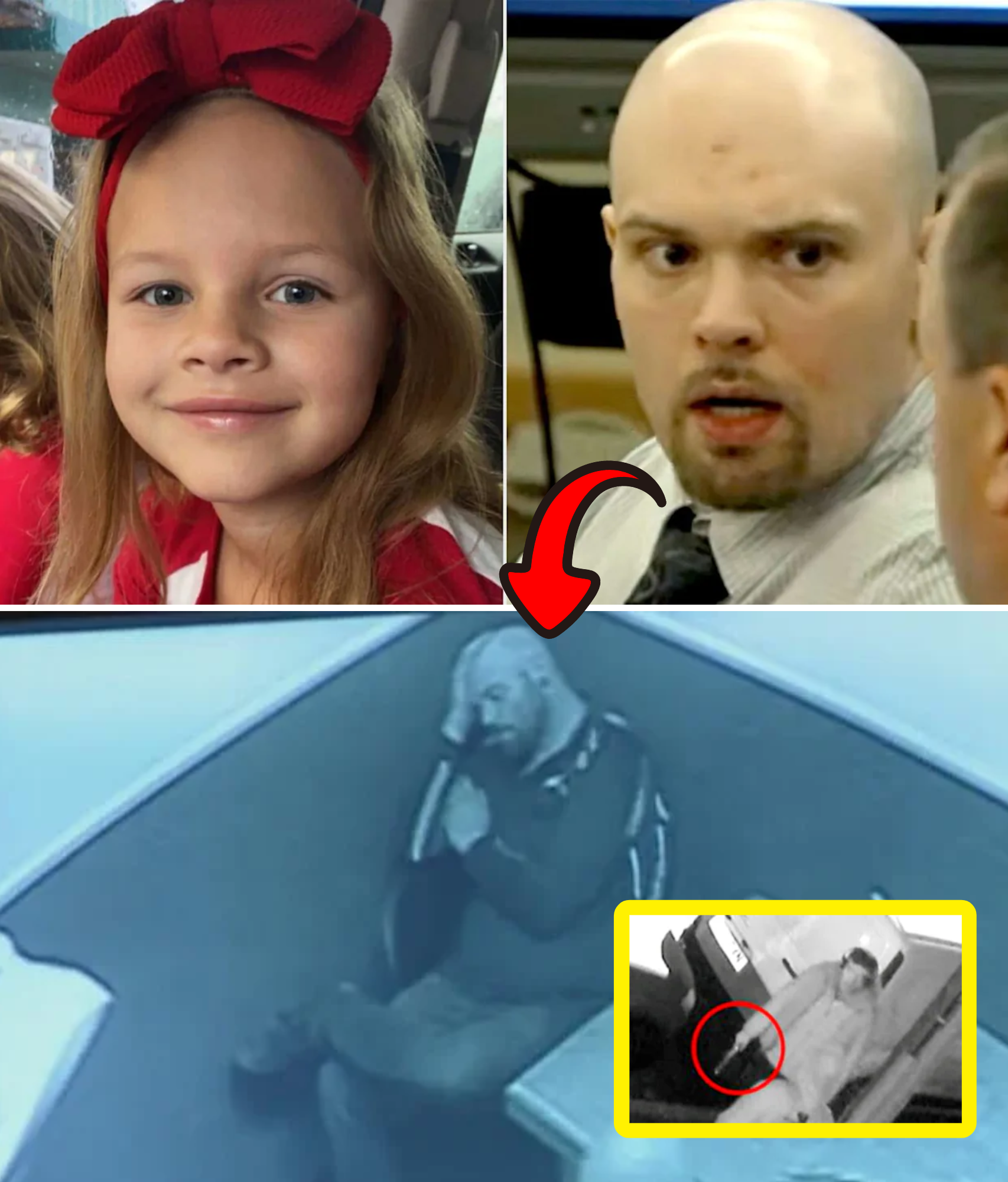
In the quiet rural community of Wise County, Texas, the November 2022 abduction and murder of 7-year-old Athena Strand shattered hearts across the nation. Former FedEx driver Tanner Horner, 34, pleaded guilty to the capital murder and kidnapping charges, admitting he took the little girl from her home while delivering a package. Yet during the punishment phase of his trial in April 2026, jurors were presented with handwritten letters Horner wrote from jail just before a 2023 suicide attempt that reveal two starkly contradictory narratives.
One letter, addressed directly to Athena’s family, offers a remorseful apology. Horner writes, “I’ve done a terrible thing to your family… I’m sorry I took your little angel away from you. She didn’t deserve it. Ya’ll didn’t deserve it.” He attributes his actions partly to struggles with Asperger’s syndrome, difficulties handling sudden changes in his delivery route, and personal issues at home, claiming he “couldn’t hold it in any longer” despite advice from his legal counsel.
But in a separate envelope boldly labeled “DETECTIVES ONLY!!!”, Horner tells investigators an entirely different story. He insists he was not the only one involved that fateful evening. According to the letter, when he pulled up to the Strand property, an older gray-haired man suddenly approached him, pulled a rifle, and demanded his wallet. The man, whom Horner described as seeming to expect his arrival, returned the wallet and ordered him to take Athena and bring her to a specific location near bamboo that Horner had previously shown investigators during the search.
Horner claimed the stranger provided a change of clothes for the child and instructed him to have her change before handing her over. He wrote that Athena appeared to know the man and calmed down in his presence, which “freaked him out.” The alleged gunman then reportedly threatened Horner’s family, leaving him with no choice but to comply out of fear. Horner stated he followed the man’s vehicle to a creek area, where the older man took Athena. The next day, Horner said he returned to the spot and discovered her body, later placing it in the water.
“My family is in danger,” Horner wrote in the detectives-only letter, expressing worry that he could be killed before or after his arraignment. He pleaded for the information to remain confidential between him and the investigators, emphasizing the ongoing threat to his loved ones.
Prosecutors have presented these letters as part of the evidence in the sentencing phase, where the jury must decide whether Horner receives life in prison or the death penalty. No evidence has been publicly disclosed that corroborates the existence of the mysterious armed man. Investigators and courtroom testimony have consistently pointed to Horner as the sole perpetrator who confessed to the crime, with forensic details—including male DNA found during the examination—further tying him to the scene.
The case began on November 30, 2022, when Athena disappeared from her home in rural Wise County. Horner, working as an independent contractor for a FedEx subcontractor, was delivering packages in the area that evening. He initially led investigators on a search using an “alter ego” named “Zero” before ultimately directing them to the child’s body at Bobo’s Crossing near a creek.
Athena’s family has endured unimaginable pain, and the trial has brought forward painful details of the child’s final moments. Horner reportedly told the girl not to scream or he would hurt her, and she fought bravely according to prosecutors. The punishment phase has included testimony about Horner’s letters, jailhouse phone calls with family, and forensic evidence.
Horner’s defense has highlighted his autism and claimed he experienced a mental breakdown triggered by routine disruptions. In contrast, the prosecution portrays a calculated individual who kidnapped and killed a defenseless child. The conflicting letters have added a new layer of complexity: are they genuine attempts to reveal a larger conspiracy, or last-ditch efforts to shift blame and avoid full responsibility?
Legal experts note that such contradictory statements from defendants are not uncommon in high-stakes capital cases, often viewed by juries as evidence of manipulation rather than truth. The older man with the rifle remains unidentified, with no witnesses or physical evidence supporting his involvement.
As the trial continues, the community and online audiences remain riveted by the contrast between Horner’s apology to the victim’s family and his dramatic claim of coercion. The letters humanize the horror in one breath while casting doubt in the next, forcing everyone to confront difficult questions about accountability, truth, and justice for little Athena.
The heartbreaking loss of Athena Strand serves as a stark reminder of the vulnerability of children and the profound impact of violent crime on families and communities. Whether the mystery gunman story holds any merit or represents yet another twist in Horner’s account will ultimately be weighed by the jury as they deliberate his fate.