Nurse’s Final Plea to Killer: “I Have Babies” – Husband Hears It All.
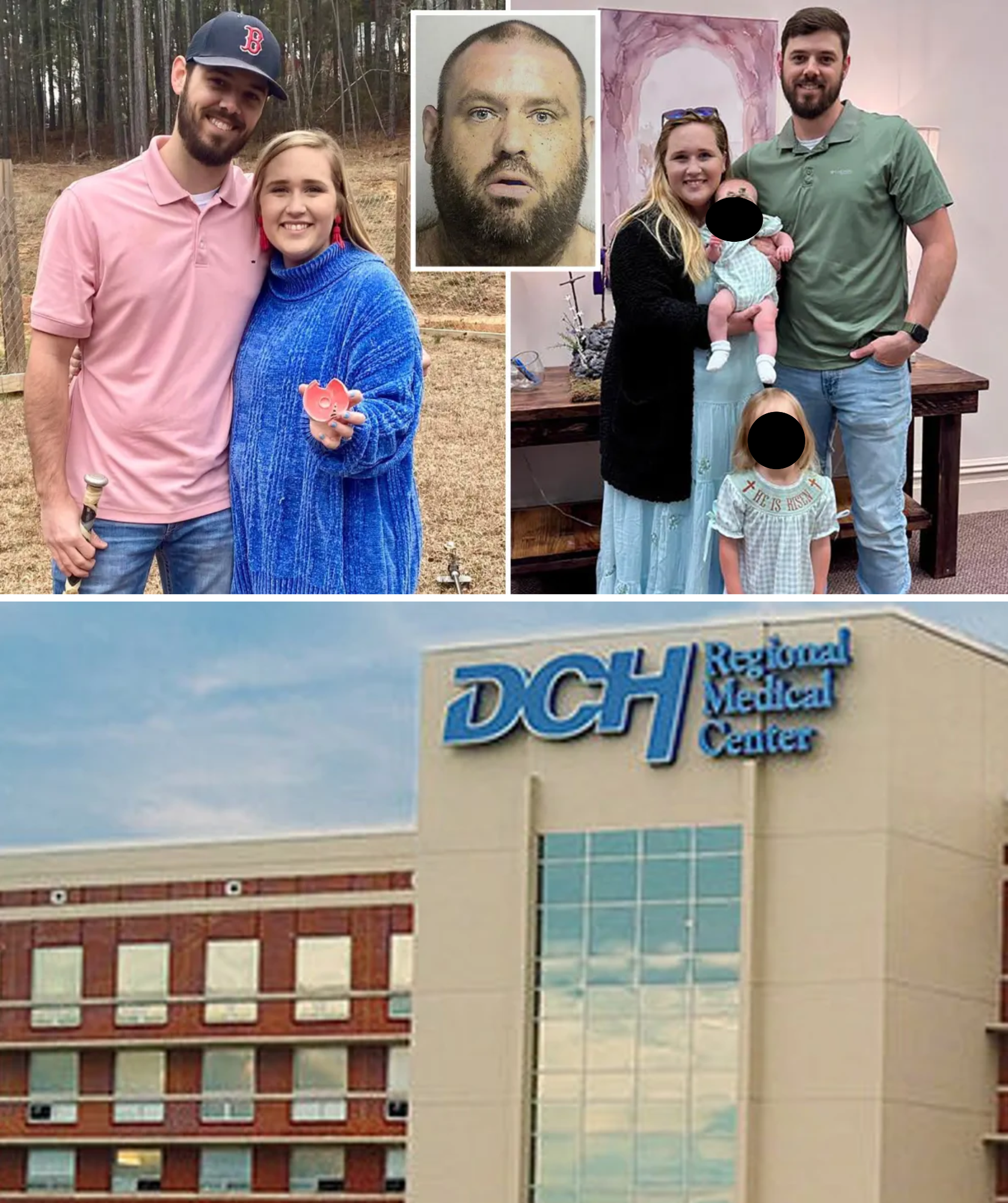
Ada Doss was a 27-year-old nurse manager at DCH Regional Medical Center in Tuscaloosa, Alabama, a dedicated professional and the proud mother of two young daughters, one just six months old and the other two years old. On May 12, she finished her shift like any other day, stepping into the hospital parking lot while chatting on the phone with her husband, Andrew. Their conversation was filled with everyday warmth — dinner plans and the familiar routines of caring for their children. Moments later, that ordinary call turned into a nightmare that would shatter their family forever.
As Ada walked toward her car, a man named Matthew Taylor approached her. Shirtless, shoeless, and armed with a handgun, Taylor had been loitering on the hospital campus for several hours after being dropped off by a friend or family member. He claimed he needed help but never sought medical attention inside the facility. Instead, authorities say he wandered the grounds, creating a threat that went unnoticed or unaddressed until it was too late.
Taylor allegedly demanded her keys in what appeared to be an attempted carjacking. Ada kept moving, but he stalked her through the parking lot, gun pointed directly at her. On the phone, Andrew sensed the rising panic in his wife’s voice. Then came her final, terrified words: “Please don’t. I have babies.” A single gunshot rang out. Ada was killed instantly. Andrew was left listening in horror, powerless to intervene as the life of his beloved wife ended.
This devastating incident has sparked outrage and raised serious questions about safety protocols at the hospital. Andrew Doss has filed a wrongful death lawsuit against DCH Health Care Authority and Universal Protection Services (also known as Allied Universal), the company providing security for the facility. The suit claims negligence, alleging that security failures allowed an armed and visibly unstable individual to roam the campus unchecked for hours. It highlights how Taylor, reportedly experiencing a mental health crisis, was not properly monitored or confronted despite his erratic behavior.
Friends, colleagues, and the Tuscaloosa community have remembered Ada as the “kindest soul,” a compassionate nurse who touched countless lives. Her death has prompted calls for “Ada’s Law” and stronger protections for healthcare workers, who often face risks in their daily duties. Petitions are growing, demanding better security measures, including more visible patrols in parking lots, improved surveillance, and protocols for handling individuals showing signs of mental distress on hospital grounds.
Matthew Taylor, 41, was arrested and has been indicted on capital murder charges, along with first-degree robbery and illegal possession of a firearm. Due to his mental health condition, a judge has ordered involuntary medication while he is in custody. The case underscores broader issues in the United States: the intersection of mental health crises, gun access, and public safety, particularly in vulnerable settings like hospitals.
For Andrew Doss, the pain is unimaginable. Not only did he lose his wife, but he must now raise their two young daughters alone while grappling with the haunting audio memory of her final moments. The lawsuit seeks unspecified damages, aiming to hold accountable those responsible for the security lapses that contributed to this tragedy. It also serves as a broader call for systemic change to prevent similar heartbreaks.
Healthcare workers across the country have expressed solidarity, sharing stories of their own concerns about parking lot safety and inadequate protection after long shifts. Hospitals are high-stress environments, and staff members — often predominantly women — deserve to feel secure when leaving work. Ada’s story brings attention to these risks, emphasizing that protecting those who protect us should be a priority.
The community has rallied with memorials, vigils, and support for the family. Ada’s legacy as a nurturing mother and skilled nurse continues to inspire efforts for safer workplaces. As investigations proceed and the legal process unfolds, her final plea remains a poignant reminder of the human cost when safety measures fail.
This case forces us to confront difficult realities: how mental health support gaps, combined with easy access to weapons, can lead to irreversible loss. It also highlights the resilience of families left behind, who channel grief into advocacy. Andrew’s decision to file the lawsuit is not just about seeking justice for Ada but about ensuring no other family endures the same agony.
In the days following the shooting, details emerged painting a fuller picture. Taylor’s presence on campus went unheeded despite opportunities for intervention. Questions linger about why security did not engage him earlier. The lawsuit details these alleged oversights, arguing that proper vigilance could have saved Ada’s life.
Ada’s colleagues at DCH described her as someone who always put patients first, working tirelessly in a demanding role. Her murder in the very place where she cared for others adds a layer of profound irony and sorrow. The hospital has since expanded security measures, but for Ada’s family, these changes come too late.
As the legal battle advances, the focus remains on accountability and prevention. Supporters hope that Ada’s story will drive meaningful reforms, such as enhanced training for security personnel, better integration of mental health response teams, and stricter protocols for high-risk areas like parking facilities.
For now, two little girls are growing up without their mother, their father forever changed by what he heard on that phone call. The words “I have babies” echo as a universal cry for mercy — one that went unanswered. Ada’s memory calls on all of us to demand safer environments for those who dedicate their lives to healing others.