Instructor’s Twisted “Body Disposal” Video Resurfaces After Fatal Brazil Bridge Jump Death.
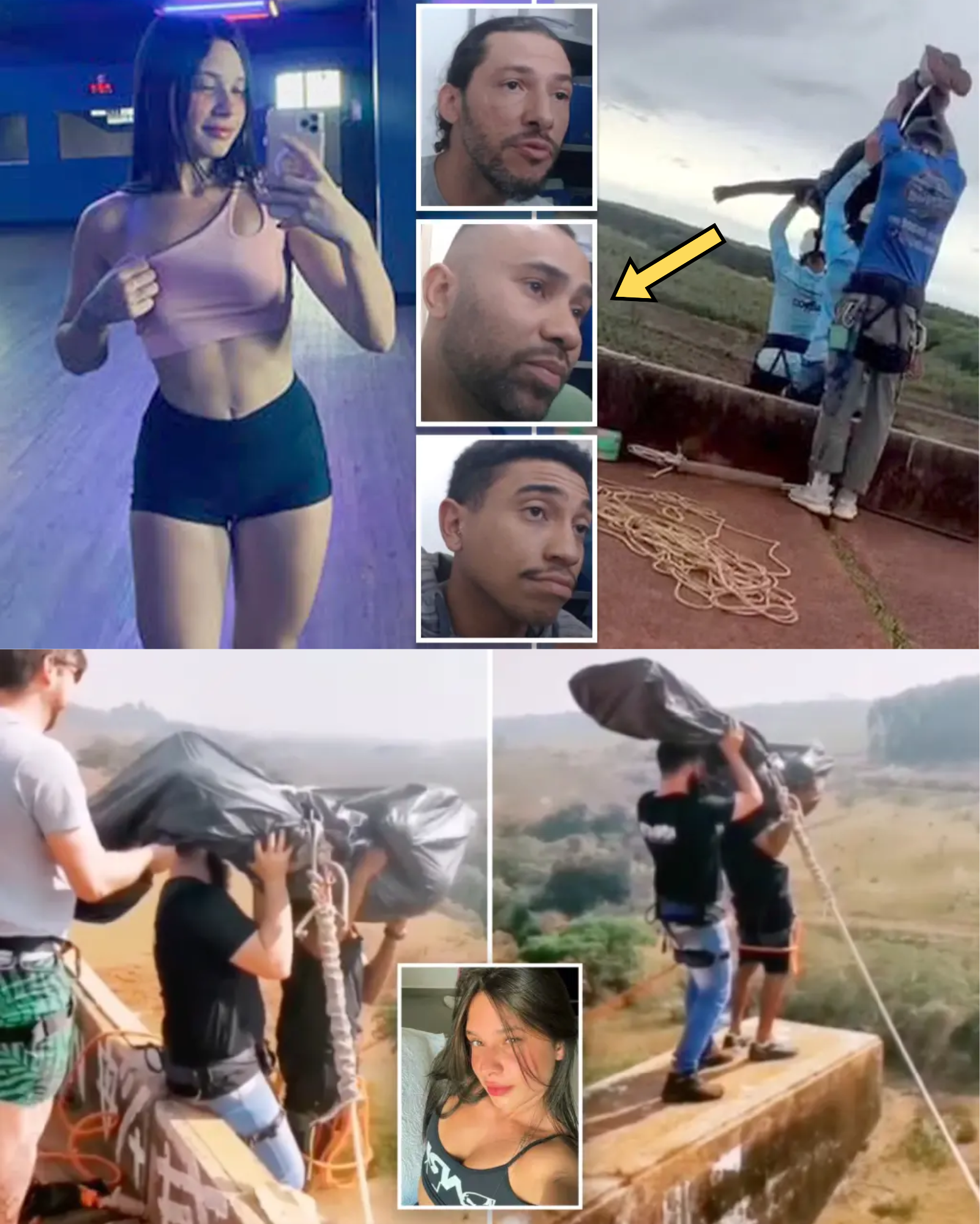
Luis Felipe Feliciano Egoroff, one of the instructors charged in the death of 21-year-old Maria Eduarda Rodrigues de Freitas, previously filmed and shared a disturbing stunt on the same Skeleton Bridge where she plummeted to her death. In a 2022 Instagram video titled “Hiding the body,” Egoroff and others hurled a black bag designed to resemble a corpse off the abandoned Ponte do Esqueleto in Limeira, São Paulo state, sparking fresh outrage as details of the recent tragedy emerge.
Maria Eduarda, a physical education student from Jandira, was participating in an unlicensed rope-jumping activity on June 13 when she was carried to the edge in a dramatic pose and thrown approximately 130 feet without any safety rope attached. Witnesses heard shouts about the missing cord, but it was too late. She struck the rocky ground below and did not survive. The incident, captured on multiple videos that quickly went viral, has exposed serious lapses in safety and raised questions about the operators’ history of reckless behavior.
Egoroff, 32, along with Vitor de Freitas Gonçalves, 27, and Maicon Fernandes Cintra, 42, face homicide charges due to gross negligence. The three admitted the rope was not attached but claimed they could not recall who was responsible for the equipment check. They remain in preventive detention. The resurfaced 2022 video has intensified public scrutiny, with many viewing it as evidence of a disturbing pattern rather than isolated negligence.
In the old clip, the instructors treated the mock body bag with dark humor, tossing it off the bridge in a manner eerily similar to how Maria Eduarda was handled. The video, which built Egoroff a following for death-defying stunts, included risky maneuvers like jumping while holding a child and performing flips near concrete columns. Such content highlighted a culture of thrill-seeking without apparent regard for safety protocols.
The Skeleton Bridge, an abandoned railway viaduct, has no official oversight for these activities. Companies including Entre Cordas and Ih Voei organized the event without proper licensing. Six people were initially arrested, and the case has prompted calls for the bridge’s demolition and stricter regulations on adventure sports across Brazil.
Maria Eduarda had paid extra for a GoPro camera to capture her jump. A witness later claimed one instructor removed the device from her body on the ground. The camera has not been recovered, adding to suspicions of evidence tampering. An off-duty nurse who rushed to help reported Maria Eduarda still had a weak pulse initially, but her injuries proved fatal.
Friends and family remember Maria Eduarda as a vibrant, ambitious young woman passionate about fitness and education. Her final social media posts reflected excitement about the adventure, making the outcome even more heartbreaking. The family has demanded full accountability and justice for what they describe as preventable negligence.
This tragedy has ignited national debate about unregulated extreme sports. Experts point to the lack of mandatory licensing, redundant safety checks, and emergency planning as key failures. The operators’ history of posting risky content online suggests a prioritization of views and thrills over participant safety, a dangerous combination in high-risk activities.
Police are analyzing all available footage, including the older stunt videos, as part of the investigation. Prosecutors are examining whether the instructors’ actions constitute simple oversight or reckless disregard for life. The resurfaced content has fueled online backlash, with many calling for permanent bans on such activities at dangerous sites like Skeleton Bridge.
Beyond the individual case, the incident highlights broader issues in Brazil’s adventure tourism sector. Abandoned infrastructure often becomes informal playgrounds for thrill-seekers, with minimal enforcement. Advocates urge comprehensive reforms, including mandatory training, equipment certification, and site approvals to protect participants.
As the legal process moves forward, Maria Eduarda’s story serves as a cautionary tale. Her death was not just a tragic accident but the culmination of ignored warnings, poor preparation, and a culture that normalized extreme risks. The old video of Egoroff joking about “disposing of a body” now stands as a grim foreshadowing that has left the public demanding answers.
Communities across São Paulo and beyond are mourning with the family while pushing for change. Vigils honor Maria Eduarda’s life and spirit, while petitions call for accountability from both the individuals involved and the authorities who allowed such operations to continue unchecked.
The full impact of this case may extend far beyond one bridge. It could lead to increased oversight, better public awareness, and a reevaluation of how extreme sports are promoted and regulated. For now, the focus remains on justice for Maria Eduarda and ensuring no other family endures similar heartbreak due to preventable failures.
In the age of social media, where stunts for likes can blur into real danger, this tragedy underscores the need for responsibility. Thrill-seekers and operators alike must prioritize safety over spectacle. Maria Eduarda sought an unforgettable experience; instead, her story has become a call for systemic reform in Brazil’s adventure sports landscape.