FBI Turns to Cutting-Edge Genetic Genealogy in Nancy Guthrie Case After Private Lab Delay.
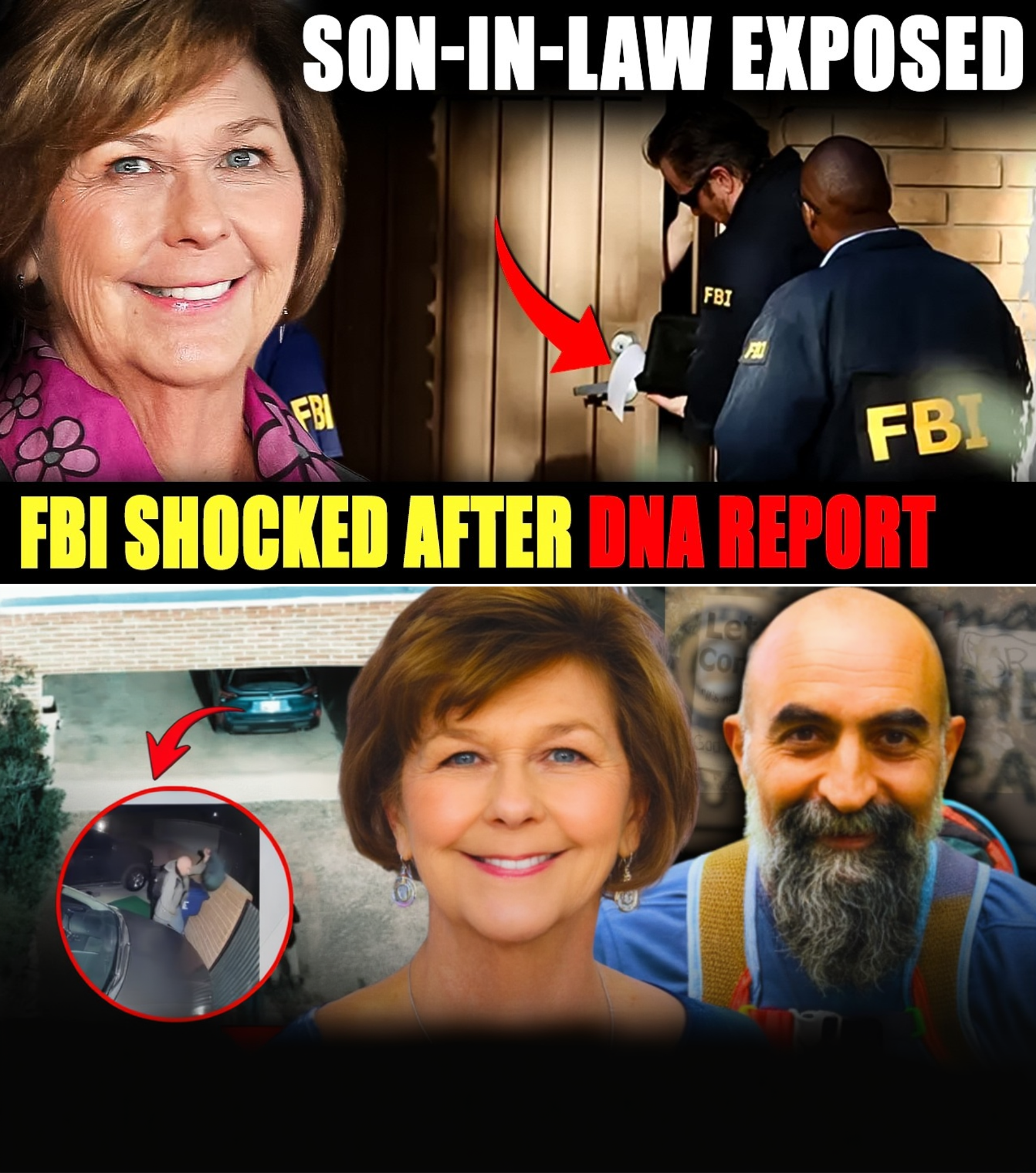
More than 100 days after 84-year-old Nancy Guthrie vanished from her Tucson-area home, the FBI has quietly escalated its investigation by shipping critical DNA evidence to its elite laboratory in Quantico, Virginia. The move comes after a private Florida lab held key samples for eleven weeks, prompting pointed questions about evidence handling and delays that frustrated both investigators and the Guthrie family.
Nancy Guthrie, mother of NBC’s Today co-anchor Savannah Guthrie, was last seen on the evening of January 31, 2026. Family members dropped her off at her Catalina Foothills home around 9:50 p.m. after a normal dinner gathering. Surveillance showed her garage door closing behind her. Hours later, everything changed. At 1:47 a.m., her doorbell camera was deliberately disconnected. At 2:28 a.m., her pacemaker monitoring app went offline. By midday the next day, relatives found the house empty, with drops of blood confirmed as Nancy’s on the front porch.
The case quickly drew national attention due to Savannah’s high-profile role. What began as a missing person investigation evolved into a suspected targeted abduction. Pima County Sheriff Chris Nanos publicly stated that Nancy was specifically chosen. Ransom-style notes later surfaced, but authorities have questioned their authenticity, with some experts suggesting they were sent to torment the family rather than from the actual perpetrator.
Central to the breakthrough is forensic evidence collected early in the probe. A glove discovered two miles from the home matched descriptions from neighboring camera footage and yielded an “unknown male” DNA profile. When run through CODIS — the national criminal DNA database — it produced zero matches. The profile belonged to someone never arrested or entered into the system, turning the unknown male into a ghost.
Additional DNA, including possible hair samples from inside the home, was also collected. Initial processing occurred at a private laboratory in Florida. According to reports broken down by NewsNation correspondent Brian Entin, that lab held the evidence for eleven weeks before it reached the FBI. The delay has sparked internal tensions and public scrutiny over chain-of-custody protocols in high-profile cases.
Now, the FBI has taken the samples to Quantico and is deploying Investigative Genetic Genealogy (IGG) — the same revolutionary technique that finally identified the Golden State Killer after more than 40 years. This advanced method builds family trees from consumer DNA databases like GEDmatch and Ancestry, allowing investigators to identify suspects through distant relatives even when direct database matches don’t exist.
Forensic experts describe IGG as a game-changer for cold cases and complex investigations involving unknown profiles. In Nancy’s case, it offers hope of identifying the unknown male through genetic relatives, potentially uncovering connections to her routines, medical devices, or personal circle. The pacemaker data, which continued transmitting location and heart-rate anomalies before going dark, provides another layer of objective evidence that investigators are cross-referencing with the DNA findings.
Savannah Guthrie has remained largely out of the public eye while supporting the investigation and her family. Colleagues describe her as focused yet deeply affected, continuing limited professional duties amid the ongoing nightmare. The emotional strain on the Guthrie family is immense, compounded by the public nature of the search and the constant media spotlight.
The FBI’s public statements have been measured but notably pointed regarding the lab delay, signaling internal frustration. Sheriff Nanos and federal agents continue to collaborate despite reported jurisdictional tensions, with a multi-agency task force pursuing every lead. A substantial reward remains active for information leading to Nancy’s safe return.
This latest development highlights both the promise and limitations of modern forensics. While DNA technology has solved decades-old mysteries, delays in processing and the need for advanced genealogy add time in cases where every hour counts. Nancy’s age, health conditions, and the targeted nature of the disappearance make the urgency even greater.
Search efforts persist with drones, specialized teams, and volunteers covering vast desert and mountainous terrain around Tucson. Every tip is evaluated, but the DNA evidence now sits at the heart of the strategy. If genetic genealogy yields a viable lead, it could rapidly narrow the suspect pool and bring long-awaited answers.
The case has also renewed conversations about elder safety, home security for vulnerable individuals, and the role of private labs in law enforcement workflows. For high-profile families like the Guthries, the intersection of celebrity and crime adds another complex dimension, often attracting both genuine tips and opportunistic hoaxes.
As the investigation enters its fourth month, the FBI’s decision to escalate to Quantico represents a significant shift. It signals confidence that the unknown male DNA holds the key — and that modern science can pierce the veil of anonymity that once protected perpetrators.
Nancy Guthrie remains missing, but the forensic dots are connecting faster than ever. From the blood on the porch to the glove in the field to the genetic profile now under intense analysis, investigators are closing in. For Savannah and her family, the hope is that these scientific breakthroughs will finally bring Nancy home and deliver justice in a case that has gripped the nation.
The coming weeks may prove decisive. Whether through a familial DNA match, additional witness corroboration, or further digital forensics, the pressure is mounting on whoever is responsible. In the quiet suburbs of Tucson, one family’s nightmare continues — but the tools of 21st-century crime-solving are now fully engaged in the search for answers.