Sudanese Woman Wins Right to Stay in UK After Marrying Her Refugee Cousin in Secret Traditional Islamic Ceremony
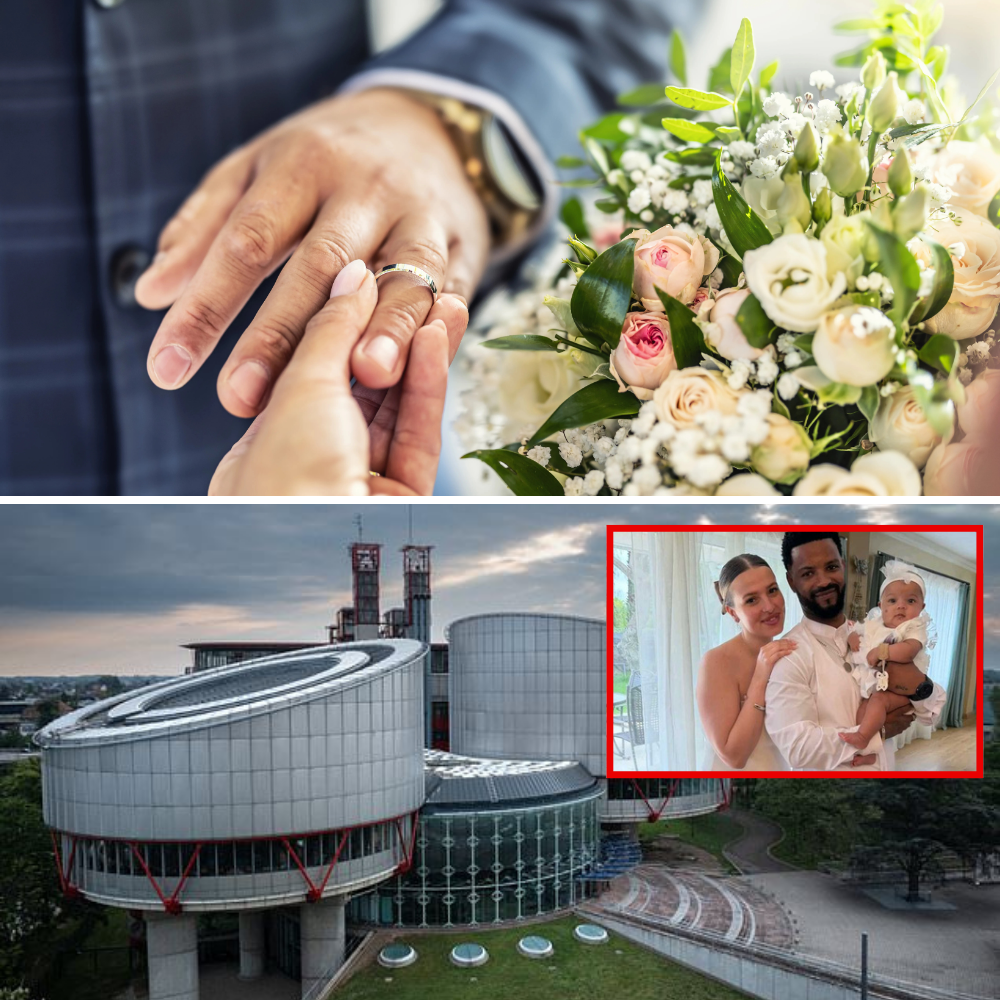
A Sudanese woman has been granted permission to remain in the United Kingdom after an immigration tribunal ruled that her marriage to her first cousin, a recognised refugee, was genuine and that removing her would violate her right to family life.
Isra Abdallah Ibrahim’s case centred on a customary Islamic marriage that took place in Sudan in 2011. According to the couple, the ceremony followed local tradition and was not formally registered with the authorities at the time. Three years later, after her husband had moved to Libya, they remarried by proxy so that she could join him there. Libya did not recognise the earlier Sudanese marriage, making the second ceremony necessary under local rules.
The husband later fled the deteriorating security situation in Libya and reached the UK, where he was granted refugee status in 2015. Mrs Ibrahim subsequently sought to join him. The Home Office rejected her application, arguing that the marriage had been arranged primarily to secure her entry to Britain once her husband obtained refugee status. Officials also noted the absence of an official marriage record from 2011 and viewed the proxy ceremony in Libya with suspicion, given that country’s role as a common transit point on migration routes toward Europe.
A first-tier immigration tribunal upheld the refusal. Mrs Ibrahim appealed to the Upper Tribunal in Manchester, relying on Article 8 of the European Convention on Human Rights, which protects the right to respect for private and family life. On 24 August 2026 the Upper Tribunal allowed her appeal.
The judge found that the couple had been married while the husband was habitually resident in Libya and that he had lived and worked there for a meaningful period before deciding to leave. The tribunal accepted that the 2011 customary marriage and the subsequent proxy ceremony were legitimate under the relevant rules. It also confirmed that marriage between first cousins is not prohibited under UK law. The refusal of leave was therefore held to be disproportionate.
The decision underscores several longstanding features of UK immigration practice. Refugee family reunion rules allow recognised refugees to sponsor spouses provided the relationship is genuine and subsisting. Customary and religious marriages can be recognised if they meet the legal requirements of the country where they were celebrated and are not contrary to UK public policy. First-cousin marriage remains lawful in Britain, although it continues to attract public and political debate on genetic and social grounds.
The case also illustrates the practical difficulties that arise when marriages are conducted according to informal local customs that leave little documentary trail. Tribunals must weigh oral evidence, cultural context and the overall credibility of the account against the need to prevent marriages of convenience. In this instance the Upper Tribunal concluded that the evidence supported a genuine relationship formed before the husband’s journey to Europe.
Mrs Ibrahim’s successful appeal means she can now remain in the UK with her husband. The ruling does not create new law but applies existing principles on family life and the recognition of foreign marriages to the particular facts of a customary Islamic union between cousins. It is one of many cases in which immigration judges balance individual human-rights claims against wider concerns about the integrity of the asylum and family-reunion systems.