Royal Privacy Row Erupts: Angela Levin Questions Why Harry and Meghan Want Archie Shielded From the Public Yet Still Feature His Image on the Archewell Website
Prince Harry and Meghan Markle have long maintained that protecting their children from excessive public attention is one of their most important priorities. Yet their approach to sharing images of Prince Archie has repeatedly sparked debate, with royal commentator Angela Levin questioning whether the couple’s actions always appear consistent with their stated desire for privacy.
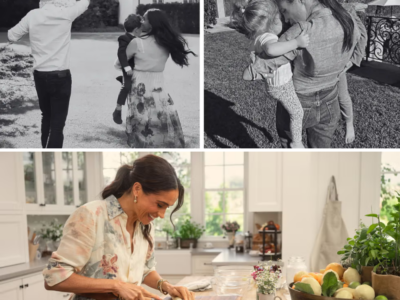
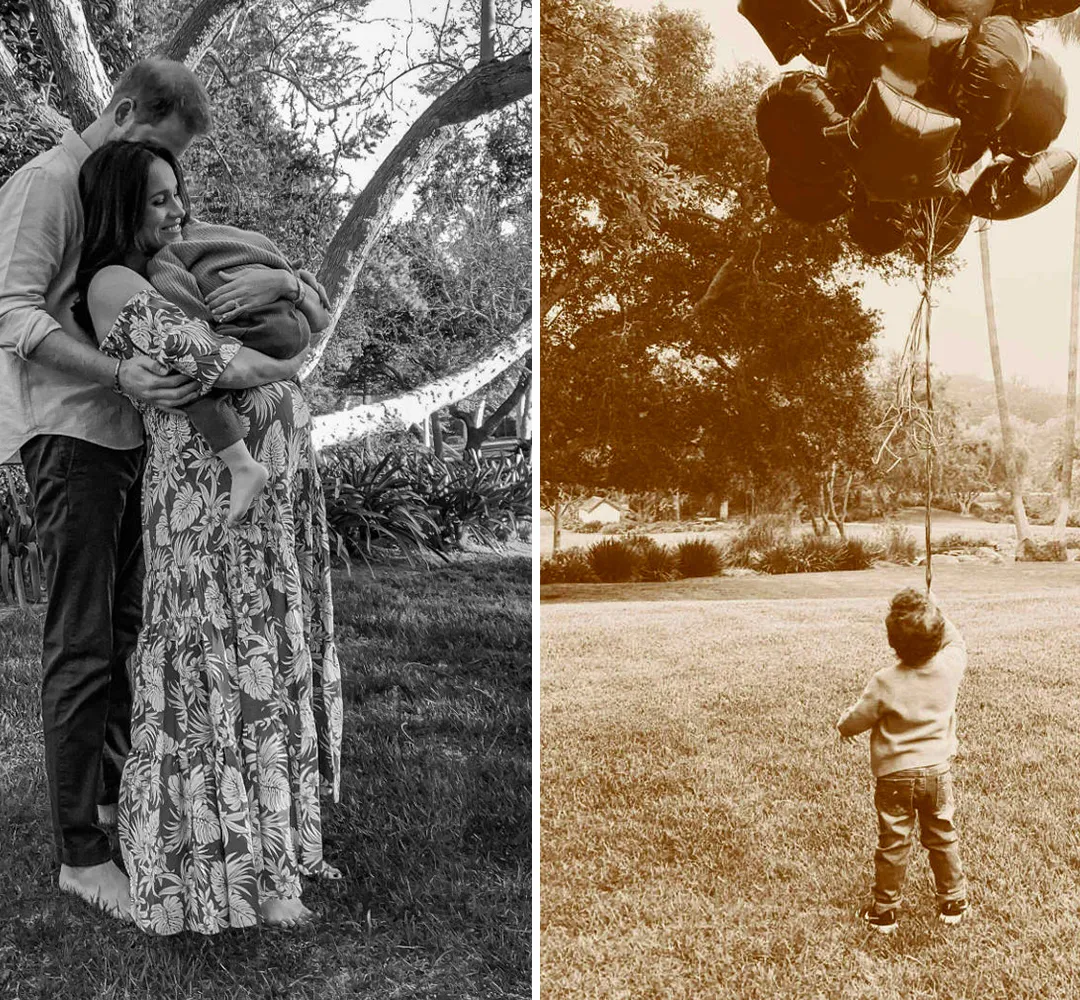
The issue has resurfaced around the use of an image of Archie connected with the couple’s Archewell organization. Levin’s criticism focuses on what she sees as a contradiction: Harry and Meghan have been extremely cautious about allowing clear, publicly accessible images of their children to circulate, while at the same time images involving Archie have appeared in connection with their own public-facing projects.
That distinction is important. Protecting a child’s privacy does not necessarily mean never showing an image of them. Parents can decide when, where and how photographs are released. Harry and Meghan have generally exercised significant control over images of Archie and his younger sister, Princess Lilibet, rather than allowing photographers or members of the public unrestricted access to them.

Archie, now seven, has spent most of his childhood away from the spotlight. After Harry and Meghan stepped back from their senior royal roles in 2020 and moved to California, public appearances involving their children became exceptionally rare. Recent reporting has also highlighted how carefully the family manages photographs of the children.
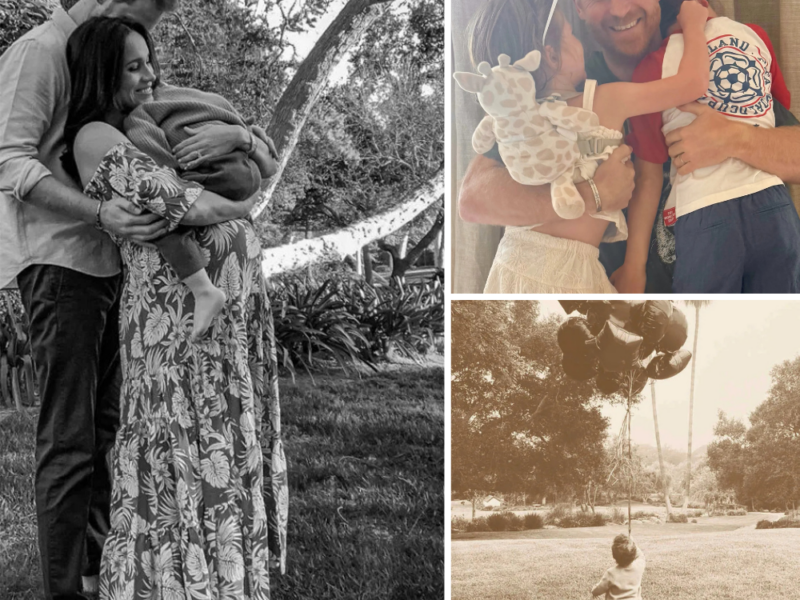
That policy has not meant that Harry and Meghan never share family photographs. They have released selected images on significant occasions, including birthdays and holidays, while Meghan has also incorporated family moments into her social-media presence and professional activities. However, the children’s faces have frequently been obscured or kept away from the camera.
The controversy therefore raises a broader question about what “privacy” means for celebrity children.
For Harry and Meghan, privacy appears to involve controlling the circumstances under which their children are photographed rather than completely removing them from public communications. Their supporters could argue that there is a meaningful difference between voluntarily releasing a carefully selected photograph and allowing paparazzi or unauthorized photographers to capture images of the children.
The couple’s concerns also have a serious security dimension. Harry has repeatedly spoken about the risks he believes his family faces, particularly in relation to security arrangements in Britain. Those concerns have influenced decisions about bringing Archie and Lilibet to the UK. In July 2026, the children returned to Britain with Meghan for the first time in four years and privately reunited with King Charles and Queen Camilla at Highgrove. No photographs from that family meeting were released.

That private reunion illustrates the other side of the debate. Despite the family’s willingness to share selected photographs at certain times, Harry and Meghan have demonstrated that they can keep major family occasions completely away from the public eye when they choose to do so.
Archewell itself remains a central part of the couple’s public identity. Founded in 2020, the organization encompasses charitable and media-related activities, while Archewell Productions continues to develop television and film projects.
Ultimately, Levin’s criticism is less about a single photograph than about the complicated balance between privacy, publicity and parental control. Harry and Meghan clearly want to determine how their children are presented to the world. Whether that strategy appears contradictory depends largely on where observers draw the line between protecting a child’s privacy and selectively sharing family moments.
For a couple whose relationship with the media has been contentious for years, that distinction is unlikely to stop attracting attention.