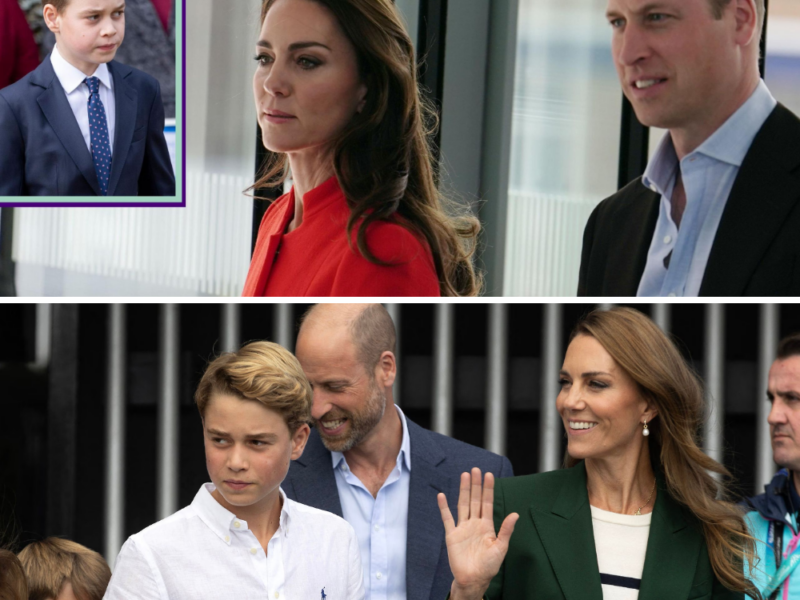
Prince William and Kate’s Strict No-Phone Rule Is Putting Prince George to the Test — and a Major Change May Be Coming
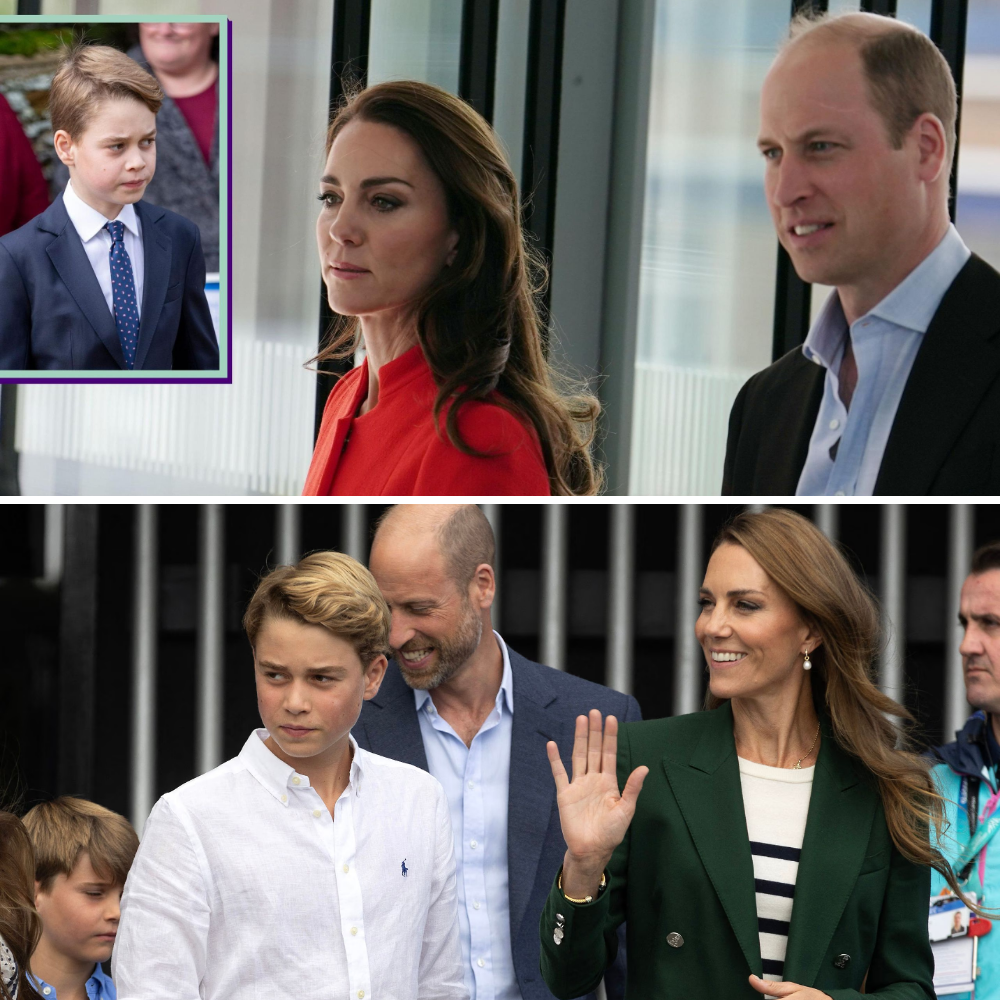
For Prince William and Catherine, Princess of Wales, raising their three children under the intense glare of royal life has meant making some unusually firm decisions about technology. One of their clearest rules is that Prince George, Princess Charlotte and Prince Louis should not have smartphones with unrestricted internet access.
But as George gets older and approaches a major new stage in his education, that rule appears to be getting harder to maintain.
In November 2025, William acknowledged that the issue had become somewhat “tense” with his eldest son, who was then 12. Speaking during his visit to Brazil for the Earthshot Prize, the Prince of Wales explained that he and Kate were particularly concerned about children having unrestricted access to the internet rather than simply having a device for communication.
William indicated that George could eventually receive a basic mobile phone when he moved on to secondary school. The proposed compromise would be a simple device for calls and texts without internet access — essentially the type of basic “brick phone” that has become increasingly uncommon among young people.

The distinction is important. William has not suggested that his children must remain completely disconnected from technology. Instead, he and Kate appear to be drawing a line between communication and unrestricted digital access.
The couple had already publicly confirmed how seriously they take the issue. In October 2025, William said that none of their children had phones and described himself and Kate as “very strict” on the matter. He also emphasized that family meals and face-to-face conversation remain important parts of their household.
Kate has offered a similar perspective from a broader child-development standpoint. In an essay published in October 2025 with Harvard professor Robert Waldinger, she discussed how smartphones and other technologies can fragment attention and contribute to a wider sense of disconnection within families.
For George, however, the question is becoming more complicated simply because he is growing up.
At 12, he was entering an age when many of his peers would already have personal phones and online accounts. At the same time, his position makes unrestricted internet access particularly sensitive. He is second in line to the British throne and has been raised with an unusual balance between public responsibility and his parents’ determination to give him as normal a childhood as possible.

That balancing act has continued as George moves toward his next educational chapter. By 2026, the family had confirmed his move to Eton College, following in William’s footsteps. Eton’s own approach to smartphones now closely mirrors the philosophy William and Kate have described at home: first-year students are not permitted to use smartphones and are instead provided with basic phones for essential communication.
That development makes the family’s earlier disagreement over George’s phone especially revealing. What initially looked like a simple household restriction is actually part of a much broader effort to control how a future king encounters the digital world.
William and Kate may therefore be strict parents when it comes to smartphones, but their approach is not simply about saying “no.” Their comments suggest that they want George to understand why the limits exist — while gradually giving him greater independence as he becomes older.
For a boy growing up in one of the world’s most scrutinized families, that may prove to be one of the most difficult parenting lines his parents have to navigate.