Princess Isabella Rejects Military Pay at 19 — The Danish Royal’s Unexpected Decision Is Turning Heads Across Europe
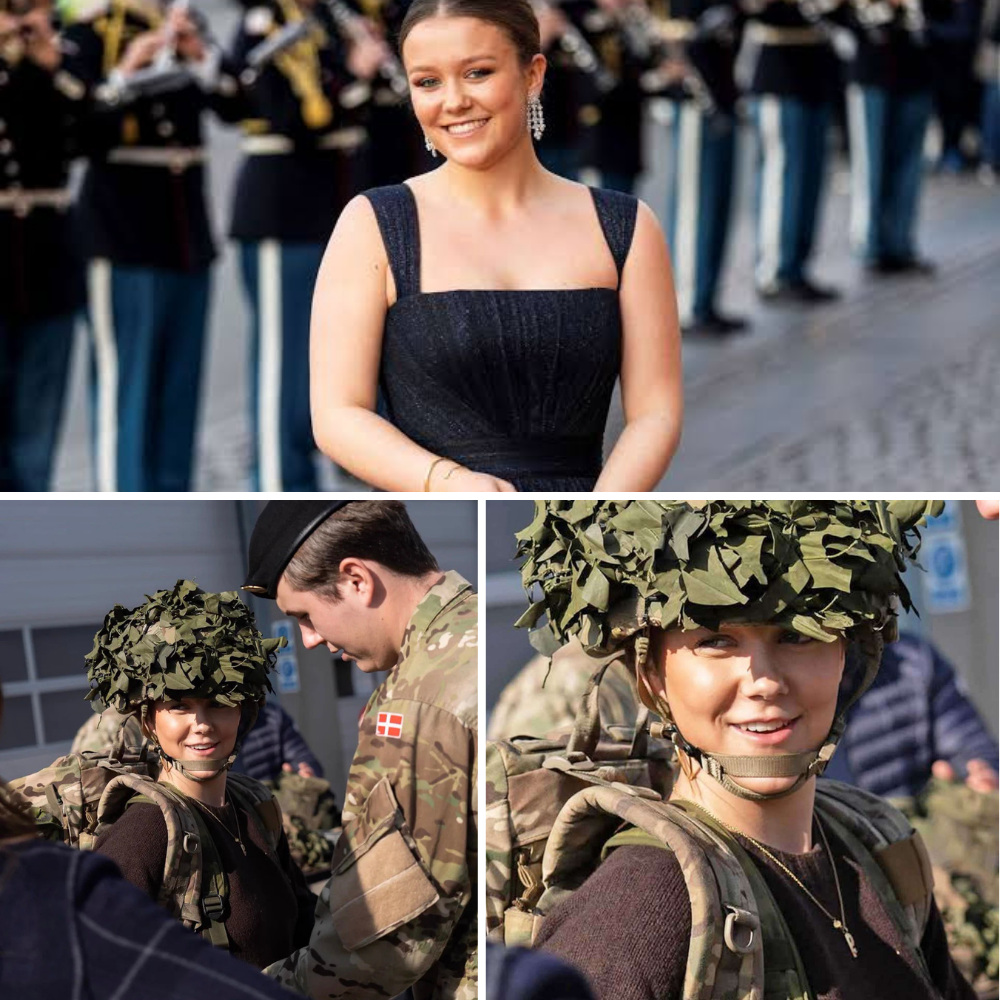
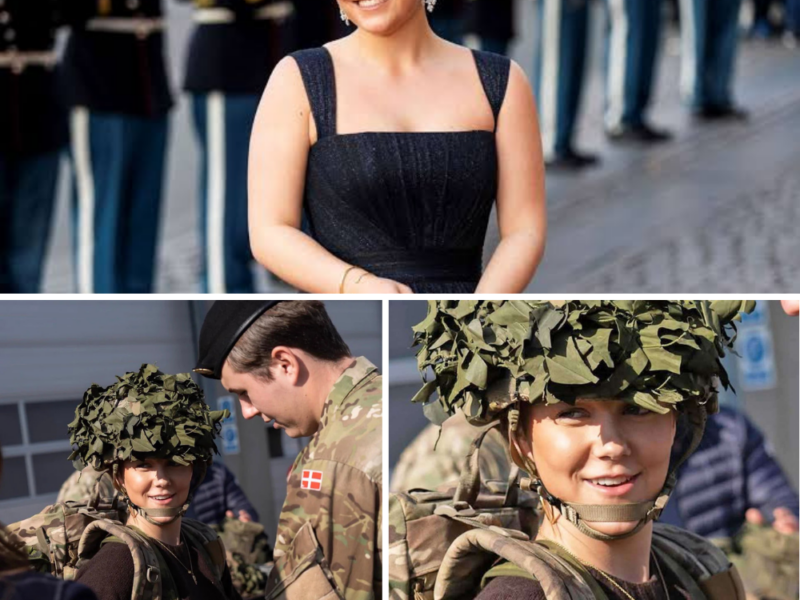
Princess Isabella of Denmark is preparing to begin a major new chapter in her life—and she’s doing it in a way that has captured attention far beyond the Danish royal family.
The 19-year-old daughter of King Frederik X and Queen Mary will officially start her 11-month military service with the Guard Hussar Regiment on August 3. While Danish conscripts are entitled to receive a salary, daily allowances, accommodation support, meals, and transportation benefits, Isabella has voluntarily declined all financial compensation, choosing instead to rely on personal support from her family during her service.
The decision reflects a growing tradition among Europe’s younger royals of avoiding public funds whenever possible. Rather than accepting the payments available to every conscript, Isabella will complete her military training under the same demanding conditions as her fellow recruits while forgoing the financial benefits attached to the role.
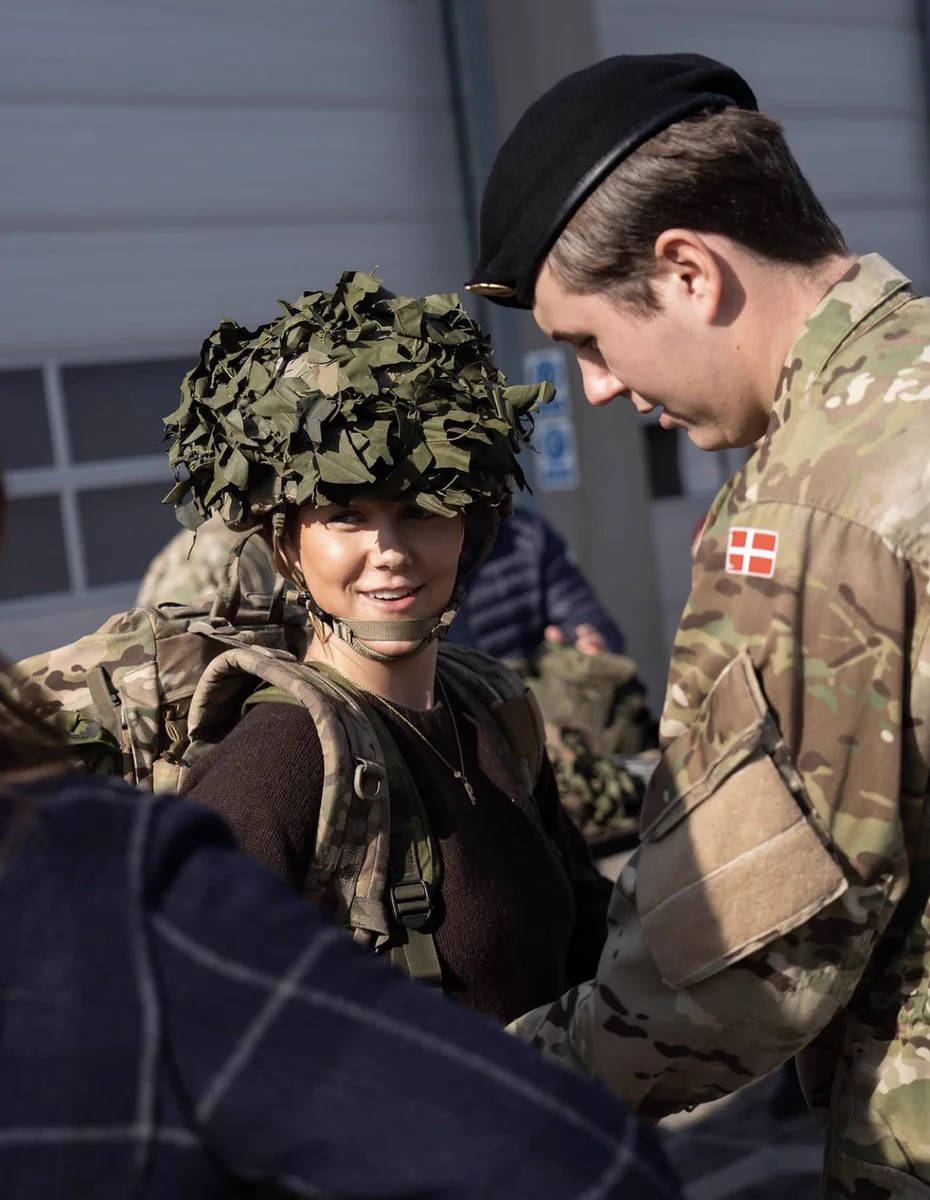
Her upcoming service is significant for another reason. Isabella will become the first female member of Denmark’s royal family to undertake formal military service with the Danish Armed Forces. Although Queen Margrethe II and Queen Mary previously trained with volunteer military organizations, neither completed the type of official military program Isabella is about to enter.
The timing also coincides with major changes in Denmark’s national defense policy. The country recently expanded military service requirements to include women and lengthened the standard service period from four months to eleven months as part of broader efforts to strengthen national readiness. Isabella will therefore be among the first generation of young Danish women serving under the new system.
Military service has become an increasingly important tradition within European royal families. Isabella’s older brother, Crown Prince Christian, previously completed his own service with the Guard Hussar Regiment and likewise declined the salary offered to conscripts before continuing his military education. Similar decisions have also been made by Princess Catharina-Amalia of the Netherlands and Spain’s Princess Leonor, both of whom chose not to receive public financial compensation while undergoing military training.
:max_bytes(150000):strip_icc():focal(999x0:1001x2)/Princess-Isabella-073126-71d05465e7884850a4ca2921dc663f5c.jpg)
Observers say these choices reflect a broader effort by Europe’s next generation of royals to demonstrate public service, responsibility, and solidarity with ordinary citizens. Rather than emphasizing privilege, younger royal family members increasingly appear eager to present themselves as individuals willing to meet the same expectations placed upon their peers.
For Isabella, military service comes only months after celebrating her 19th birthday and completing high school. She has gradually taken on a more visible public role over the past year, but this marks her first major national commitment as an adult.
Although she will remain one of Denmark’s most recognizable young royals, life in uniform will likely be very different from palace life. The demanding physical training, strict discipline, and teamwork required by the Guard Hussar Regiment are designed to prepare recruits for military readiness, regardless of background.
By voluntarily declining her military salary, Princess Isabella has added another symbolic gesture to the beginning of her service—one that reinforces an image of duty over privilege and has quickly become one of the most talked-about royal stories in Europe.