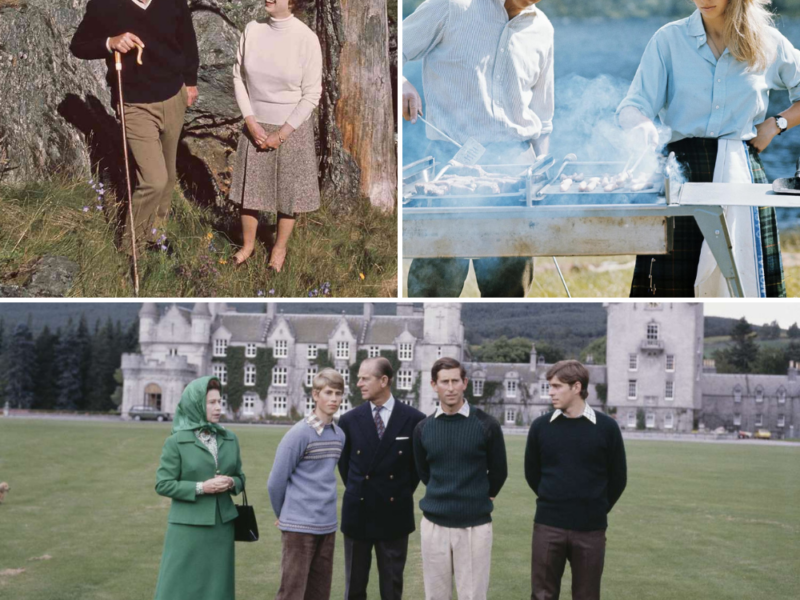
Inside Balmoral’s Secret Royal Barbecues: Princess Anne’s Kitchen Role, Prince Edward’s Sweet Tooth and the Surprisingly Hands-On Tradition Behind the Palace Gates
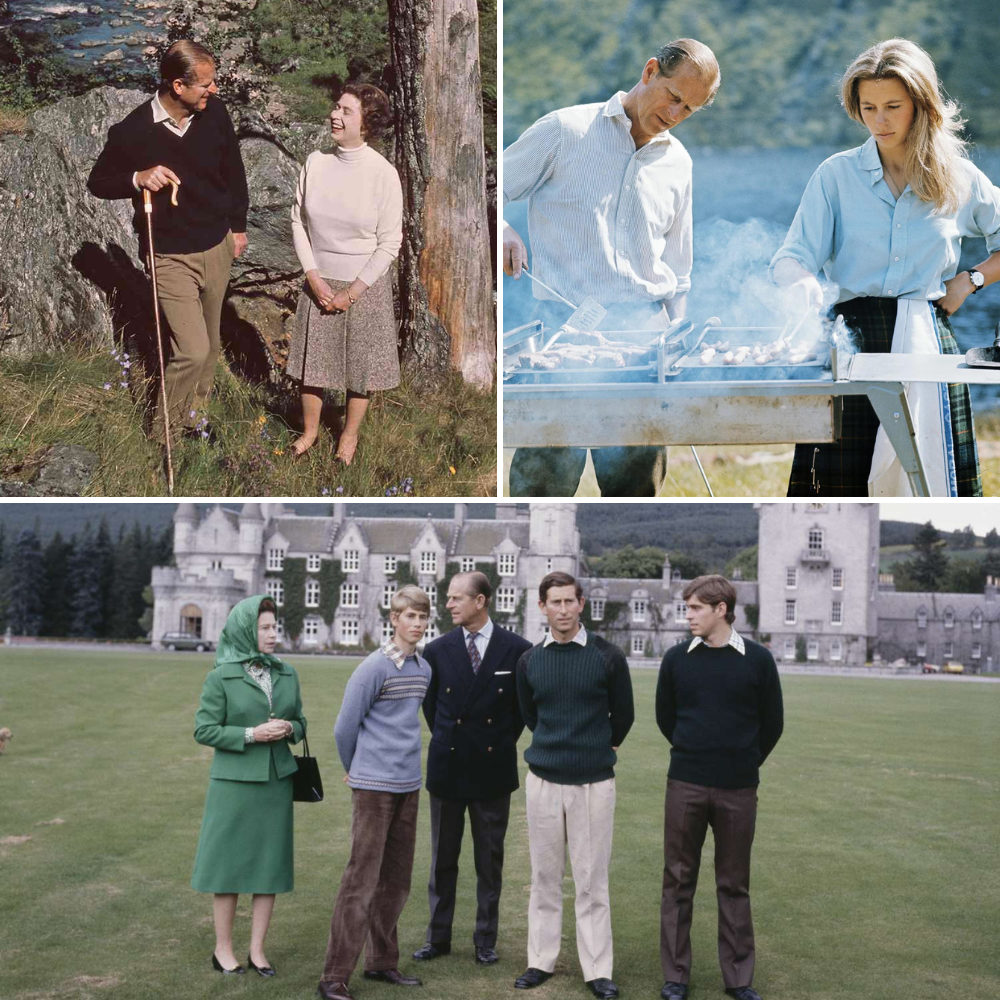
For generations, Balmoral Castle has represented something rather different from the formality of Buckingham Palace. Hidden among the Scottish Highlands, the estate gave members of the British royal family an opportunity to escape public duties and enjoy a far more relaxed family routine.
Now, former royal chef Darren McGrady has offered another glimpse into that private world, revealing how summer barbecues at Balmoral could turn members of the royal family into remarkably hands-on cooks.
McGrady spent 15 years working for the royal household, including serving the late Queen Elizabeth II, Princess Dianaand her sons. His career also took him to Balmoral, where he witnessed a side of royal life that was rarely visible to the public.
At Balmoral, the late Prince Philip was particularly enthusiastic about outdoor cooking. Rather than leaving everything to palace chefs, he reportedly enjoyed taking responsibility for the main course during family barbecues. He was interested in what ingredients were available locally and would look to the estate’s gardens and surrounding land for inspiration. Venison was among the meats associated with these informal meals.
That detail is particularly revealing because Balmoral’s food traditions were closely connected to the estate itself. Fresh vegetables, berries and game could become part of family meals, creating a dining experience that was considerably more rustic than the elaborate banquets normally associated with royalty.
Princess Anne was another family member willing to get involved. According to McGrady, she would sometimes come into the kitchen and ask what she could take responsibility for, particularly the first course. Her practical approach fits the broader image of Balmoral as a place where royal protocol could temporarily give way to family routines.
Meanwhile, Prince Edward reportedly had a very different priority: dessert.

McGrady recalled that Edward would ask the kitchen staff to prepare pancake batter, which could then be filled with raspberries or strawberries from the estate’s gardens and served with ice cream. The combination of fresh Scottish produce and a simple sweet treat offers a striking contrast to the elaborate desserts one might expect at a royal residence.
And then there was Queen Elizabeth herself.
Balmoral was widely regarded as one of the late Queen’s favorite places. McGrady has previously described how dramatically her demeanor could change there. Away from the ceremonial environment of London, she could relax into the role of grandmother and mother rather than monarch. Other accounts of Balmoral describe family members taking part in outdoor activities, with the Queen sometimes helping set up the table while Prince Philip handled the barbecue.
The contrast between Balmoral and Buckingham Palace may be the most fascinating part of the story. At the palace, meals could involve strict protocol and highly formal service. At Balmoral, the family could gather outdoors, use ingredients grown on the estate and divide up responsibility for the meal.
Balmoral itself has been associated with the royal family’s summer tradition since the Victorian era. Prince Albert acquired the estate in the 19th century, and it subsequently became one of the family’s most important private retreats.
These newly highlighted memories therefore reveal more than simply what the royals liked to eat. They show why Balmoral occupied such a special place in the family’s life: behind the castle gates, one of Britain’s most famous families could temporarily put aside ceremony, pick up cooking utensils and simply enjoy being together.