Prince Philip’s Hidden Eight-Year Health Battle Revealed: The Heartbreaking Secret He Carried Until His Final Days

For years, the world believed that Prince Philip quietly faded in health as he approached the end of an extraordinary life. His official death certificate recorded “old age” as the cause of death after he passed away peacefully at Windsor Castle on April 9, 2021, just weeks before his 100th birthday. But a newly published royal biography has brought forward claims that paint a far more emotional picture of his final years.
According to the new account by royal historian Hugo Vickers, Prince Philip was diagnosed with inoperable pancreatic cancer in June 2013. Rather than allowing the devastating diagnosis to become public knowledge, the Duke reportedly chose to keep the illness private, continuing to fulfill royal responsibilities with remarkable determination. The claim suggests that he lived with the disease for nearly eight years—far longer than is typically expected following such a diagnosis.
At the time of his reported diagnosis, there were concerns within royal circles that Philip might never return to public life. Instead, only weeks later, he resumed engagements, maintaining the no-nonsense attitude that had defined decades of public service. He eventually retired from official duties in 2017 after completing more than 22,000 solo engagements during his lifetime, but even then, he rarely allowed the public to see the extent of his declining health.
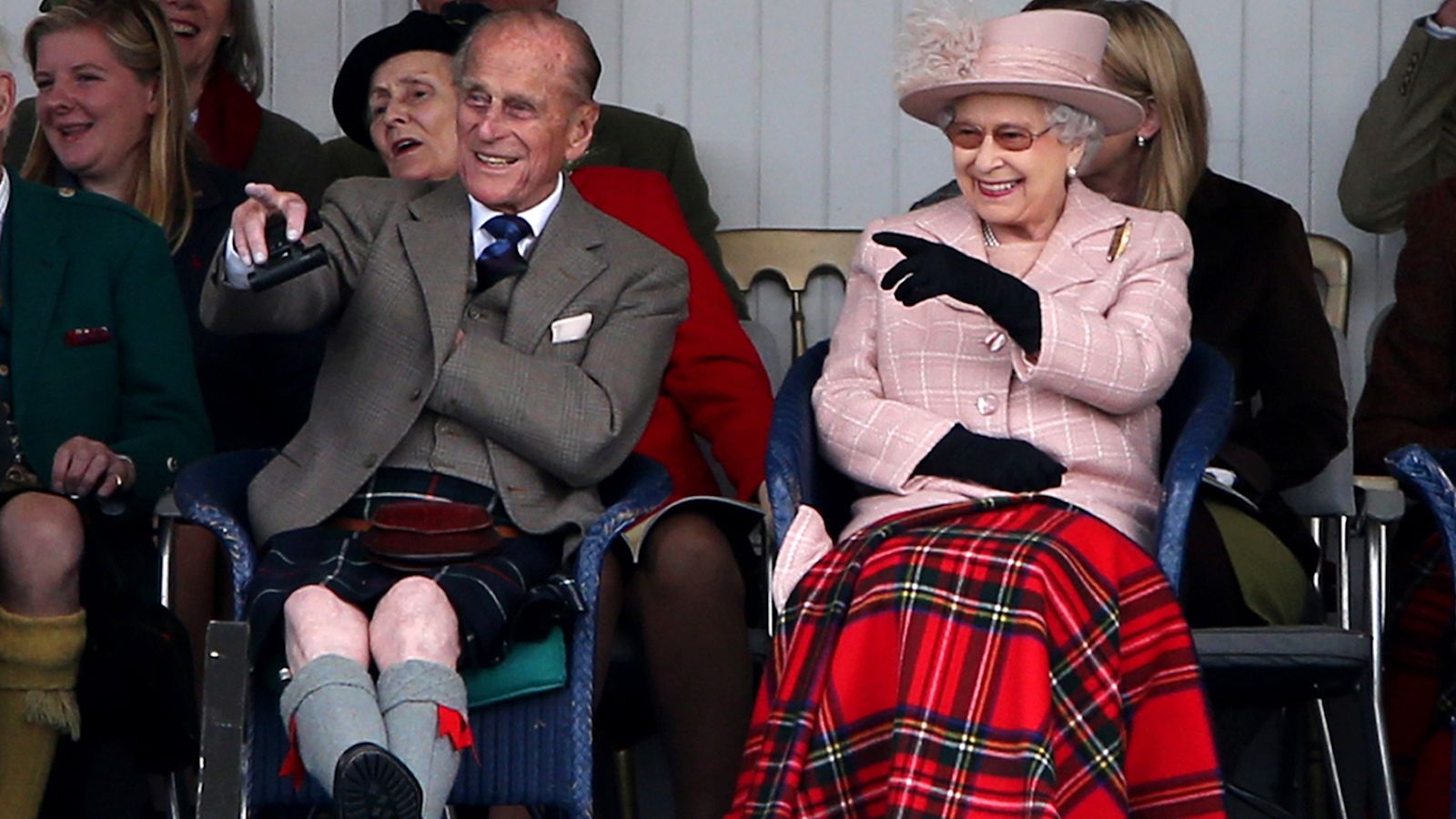
Prince Philip had experienced several well-documented health issues in the years before his death, including abdominal surgery in 2013, a hip replacement in 2018, and a lengthy hospital stay in early 2021 for treatment related to an infection and a pre-existing heart condition. Until now, however, none of those episodes publicly pointed to an alleged long-term battle with pancreatic cancer.
The biography also offers poignant details about Philip’s final hours. It describes a man determined to preserve his independence despite increasing physical frailty. On his last evening, he reportedly managed to leave his room with the aid of a walking frame and enjoy a quiet beer before returning to bed. The following morning, after saying he did not feel well, he died peacefully at Windsor Castle.
Another emotional revelation is the claim that Queen Elizabeth II was not by her husband’s bedside at the exact moment of his death. Although the couple had shared more than 73 years of marriage—one of the longest royal marriages in British history—the Queen was reportedly elsewhere inside Windsor Castle when Philip passed away. The official announcement later described his death simply as peaceful, while the Queen would herself die 17 months later in September 2022.
It is important to note that these latest claims come from a newly released biography rather than a confirmation from Buckingham Palace. The Palace has never publicly stated that Prince Philip suffered from pancreatic cancer, and his official death certificate continues to list old age as the cause of death. Nevertheless, the new account has renewed public interest in the Duke’s final years, highlighting the resilience, discipline and unwavering sense of duty that defined his life until the very end.