Prince Harry Once Wanted to Walk Away From Royal Life in His 20s — And His Fear Was Deeply Tied to What Happened to Princess Diana
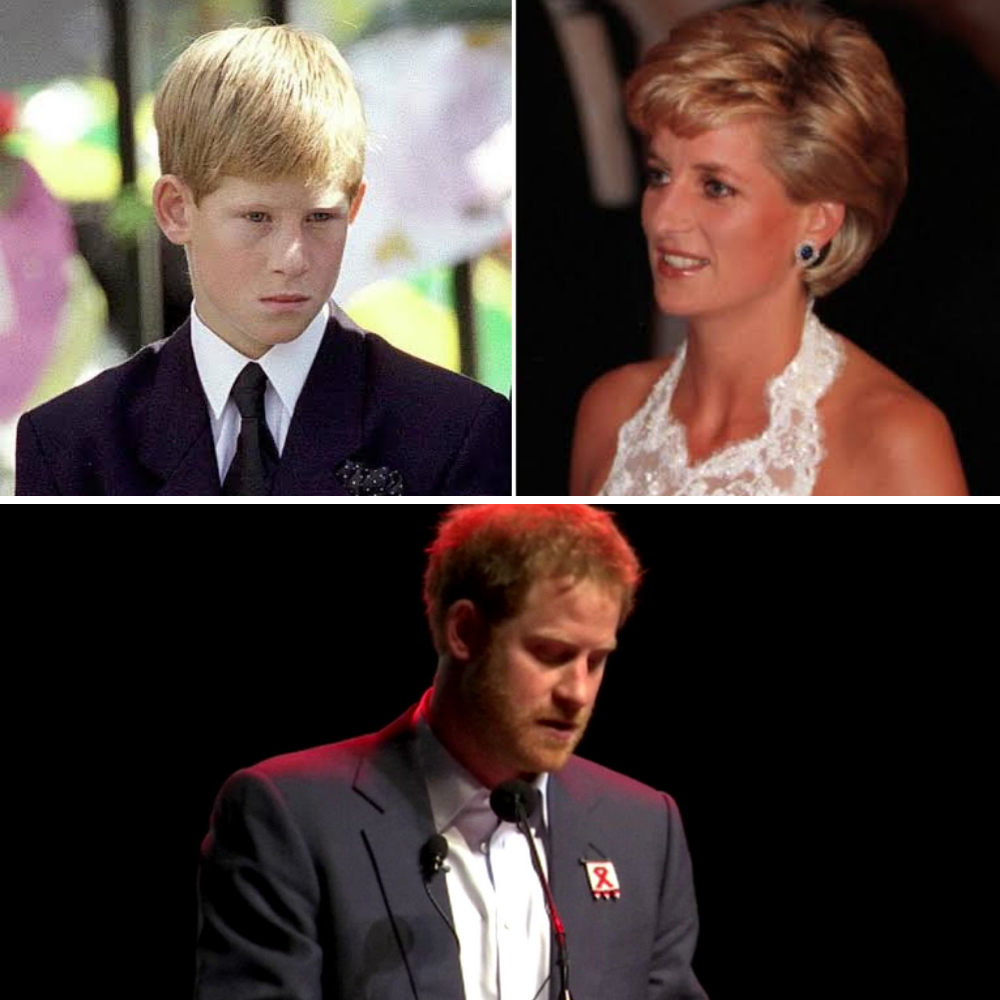
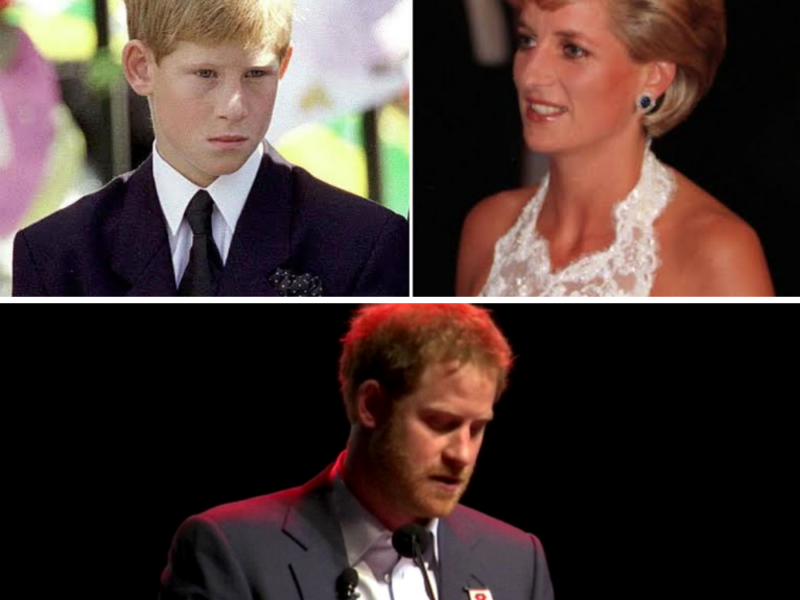
For Prince Harry, the idea of leaving royal life was not something that suddenly emerged after his marriage to Meghan Markle. Years before stepping back from royal duties, the Duke of Sussex has said he had already questioned whether he wanted the life he had been born into.
The revelation offers a strikingly different perspective on Harry’s eventual decision to leave Britain and build a new life in the United States.
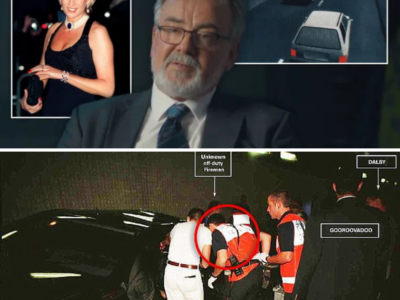
In interviews over the years, Harry has described his mother, Princess Diana, as a central influence on the way he viewed royal life. Diana’s death in a Paris car crash in 1997, when Harry was just 12, profoundly shaped his childhood and his relationship with the institution surrounding his family.
By his early 20s, Harry has said he was struggling to accept his future as a senior member of the Royal Family. He later explained that he questioned whether he could have a wife and children while remaining within an environment he associated so strongly with the tragedy that had taken his mother.
The sentiment was particularly striking because Harry was not simply expressing dissatisfaction with public duties. He was questioning the entire role expected of him.
In a 2017 interview, Harry revealed that there had been a period when he wanted to leave the Royal Family altogether. At the time, he had already found some relief through his military career, describing his years in the Army as an escape from the pressures of royal life. Ultimately, however, he decided to remain and try to create a role for himself within the institution.
That decision helps explain why Harry’s later departure was not necessarily the beginning of his doubts about monarchy. The conflict had existed for years.
Harry also spoke openly in 2017 about the wider question of royal duty. He suggested that becoming king or queen was not necessarily something members of the family actively desired, emphasizing instead the idea of carrying out responsibilities for the public.
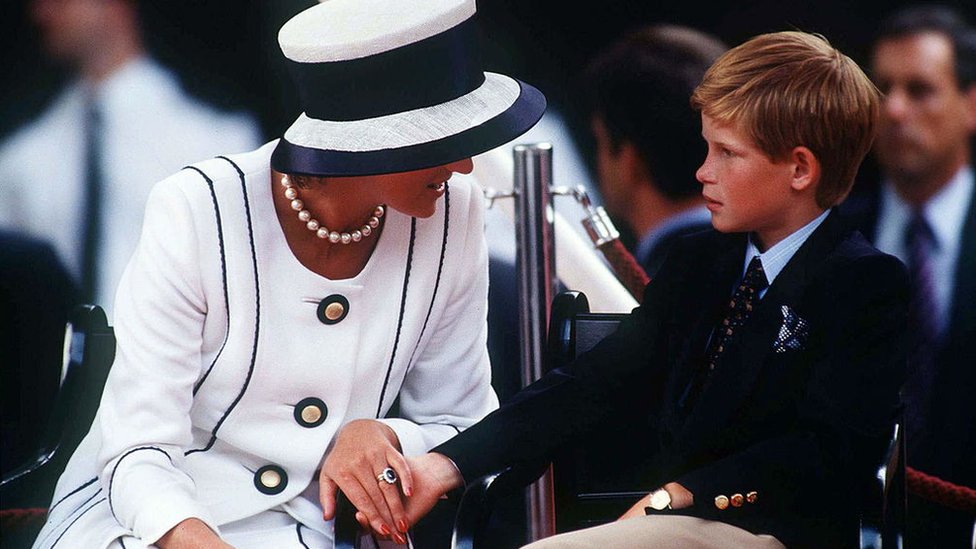
His comments came as he was increasingly discussing the psychological consequences of losing Diana. He recalled the experience of walking behind his mother’s coffin during her funeral as a 12-year-old, an event watched by enormous television audiences around the world.
Years later, Harry would make the connection even more explicit. In a 2021 interview, he described his thinking during his early 20s as being dominated by fear that history could repeat itself. He questioned how he could build a family while believing that the same pressures surrounding royal life might eventually affect his wife and children.
That fear became particularly significant after he married Meghan in 2018 and became a father. In January 2020, Harry and Meghan announced that they intended to step back as senior working royals. They subsequently relocated to North America and established an independent life outside the core structure of the monarchy.
The move transformed Harry from a prince struggling privately with his place in the institution into one of its most outspoken former members.
Yet his earlier statements suggest that the desire for independence was not simply a reaction to Meghan or to events surrounding their royal wedding. Harry had been wrestling with the question of whether royal life was compatible with the kind of future he wanted for himself for many years.
Today, those early doubts remain an important part of understanding his story. Whatever opinions people may have about his decisions since leaving royal duties, Harry’s own accounts show that his complicated relationship with the monarchy began long before his departure.
And at the heart of it was a fear that had followed him since childhood: whether becoming part of the royal system meant risking the same devastating consequences that he believed his mother had experienced.
Recent commentary about Diana has also revisited the possibility that she herself might have understood Harry’s desire for greater freedom. Former associates have suggested that Diana had contemplated an American life, although any assessment of what she would have thought about Harry’s later choices remains necessarily speculative.