Prince William’s Fiery Temper Reportedly Left King Charles “Terrified” — New Royal Book Offers a Surprising Glimpse Behind the Palace Walls
Behind the polished appearances and carefully choreographed ceremonies of the British monarchy, a very different picture of family life has emerged in a new royal biography.
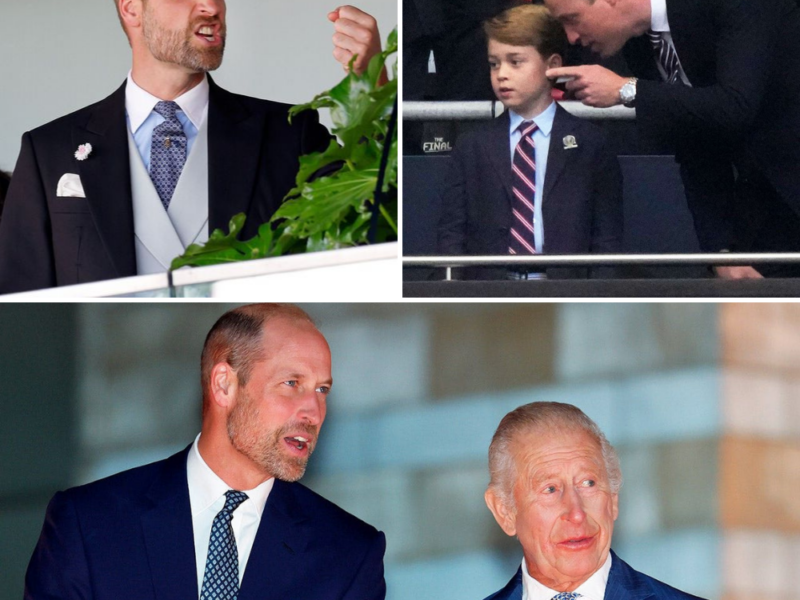
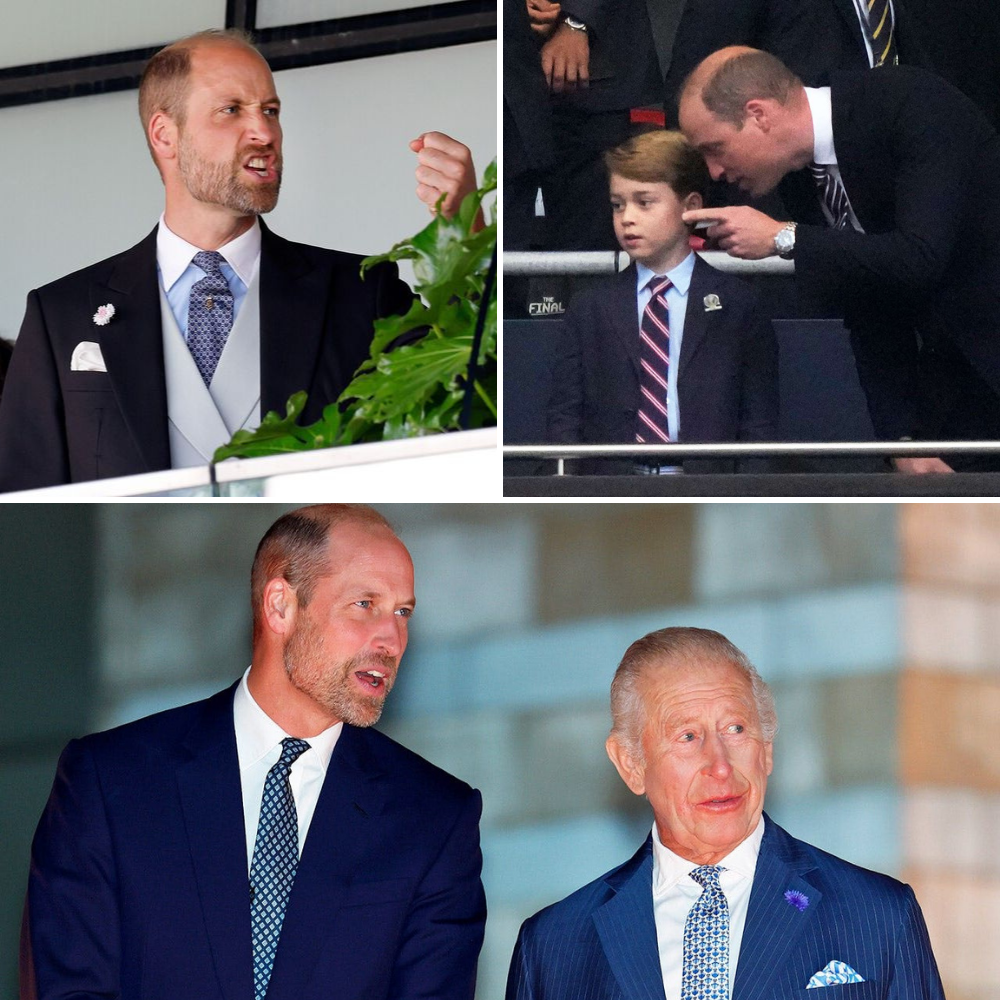
According to royal author Christopher Andersen, Prince William has a notably fierce temper that can become particularly intense during disagreements with his father, King Charles. The claim has attracted attention because William is generally presented in public as measured, disciplined and increasingly prepared for his future role as monarch.
Andersen’s book, Kate! The Courage, Grace, and Power of the Woman Who Will Be Queen, reportedly portrays a more complicated side of the Prince of Wales. The author has described William as someone who can be exceptionally considerate toward staff and strangers while nevertheless having moments of intense frustration within his family relationships.
The most striking allegation is that William’s outbursts have been sufficiently powerful to leave his father shaken. Reports surrounding the book characterize the future king as capable of loud, emotional confrontations, with Charles allegedly becoming particularly uncomfortable when his eldest son loses his temper.
That portrayal is notable given the enormous responsibilities carried by both men. King Charles became monarch following the death of Queen Elizabeth II on September 8, 2022, while William became heir apparent and was subsequently given the title Prince of Wales. The official Royal Family website describes William as undertaking public and official duties in support of his father while preparing for his eventual role.
The relationship between Charles and William has long attracted public interest. Both men occupy uniquely demanding positions: one is the reigning monarch, while the other is the first in line to the throne. Their relationship therefore combines the ordinary pressures of a father and son with the extraordinary expectations surrounding the succession.

Importantly, the claims about William’s temper come from a royal author and should be understood as reported accounts rather than independently established facts. There is no public evidence demonstrating that Charles is literally afraid of his son in everyday life.
The allegations also stand in contrast to the family’s official public image. William has publicly emphasized his admiration for his father’s dedication to duty and leadership, while the Royal Family continues to present the Prince of Wales as an active supporter of the King.
Both father and son have also continued to appear together at major royal occasions. In 2026, the King and Queen continued their official programme with major domestic and international engagements, while William remained one of the senior working members supporting the monarch.
Ultimately, the revelation is intriguing not because it proves a hidden royal feud, but because it highlights the difference between the carefully controlled image of royalty and the complicated personalities behind it.
For William, the challenge may be especially significant. As the future king, his ability to manage pressure, disagreement and emotion will inevitably be scrutinized. The latest claims offer a reminder that even the most disciplined-looking members of the Royal Family have private frustrations — and that the relationship between a king and his heir can be far more complicated than public ceremonies suggest.