“A Conspiracy of Silence?” French Police Accused of Telling Key Witness to Stay Away From the UK Probe Into Princess Diana’s D.e.a.t.h
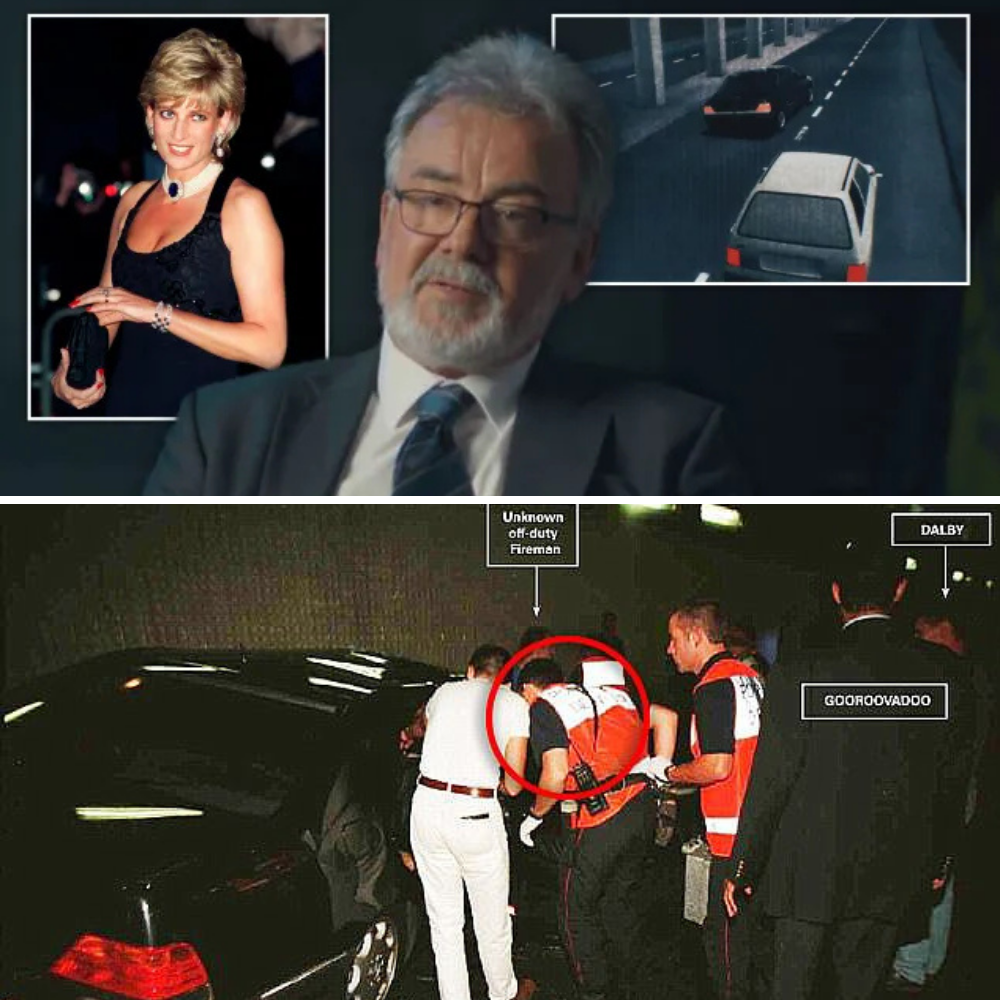
Nearly three decades after the death of Princess Diana, one of the most persistent mysteries surrounding the fatal Paris crash continues to attract scrutiny—not because new evidence has definitively overturned the official findings, but because questions remain about how some evidence and witnesses were handled in the aftermath.
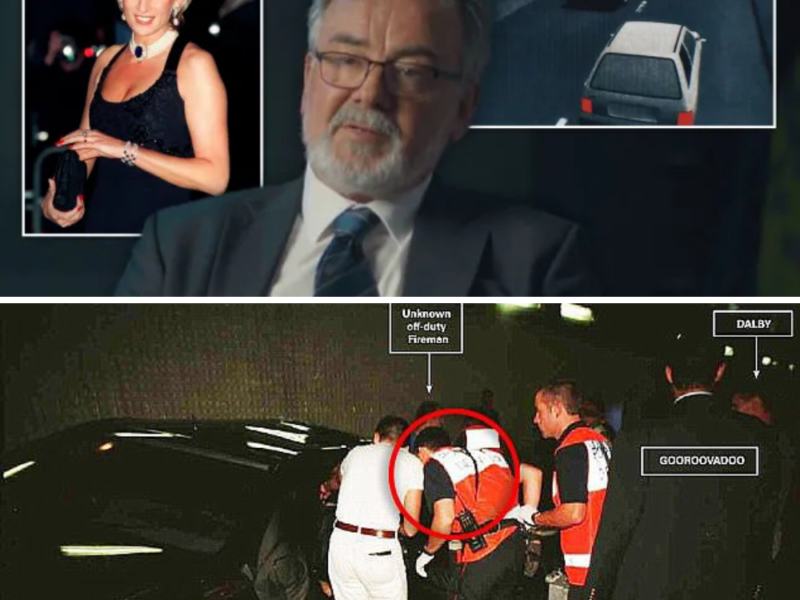
On August 31, 1997, Diana, Princess of Wales, Dodi Fayed and driver Henri Paul were travelling through Paris when their Mercedes crashed inside the Pont de l’Alma tunnel. Diana and Dodi died at the scene, while bodyguard Trevor Rees-Jones survived.
The official investigations ultimately rejected claims that Diana had been deliberately targeted. British Operation Paget, established by the Metropolitan Police to examine allegations of a conspiracy, found no evidence supporting the theory that the princess had been murdered. The 2008 British inquest concluded that Diana and Dodi were unlawfully killed, attributing the deaths to the grossly negligent driving of Henri Paul and the pursuing paparazzi.
Yet one element of the case has continued to generate fascination: a mysterious white Fiat Uno believed to have made contact with the Mercedes shortly before the fatal impact.
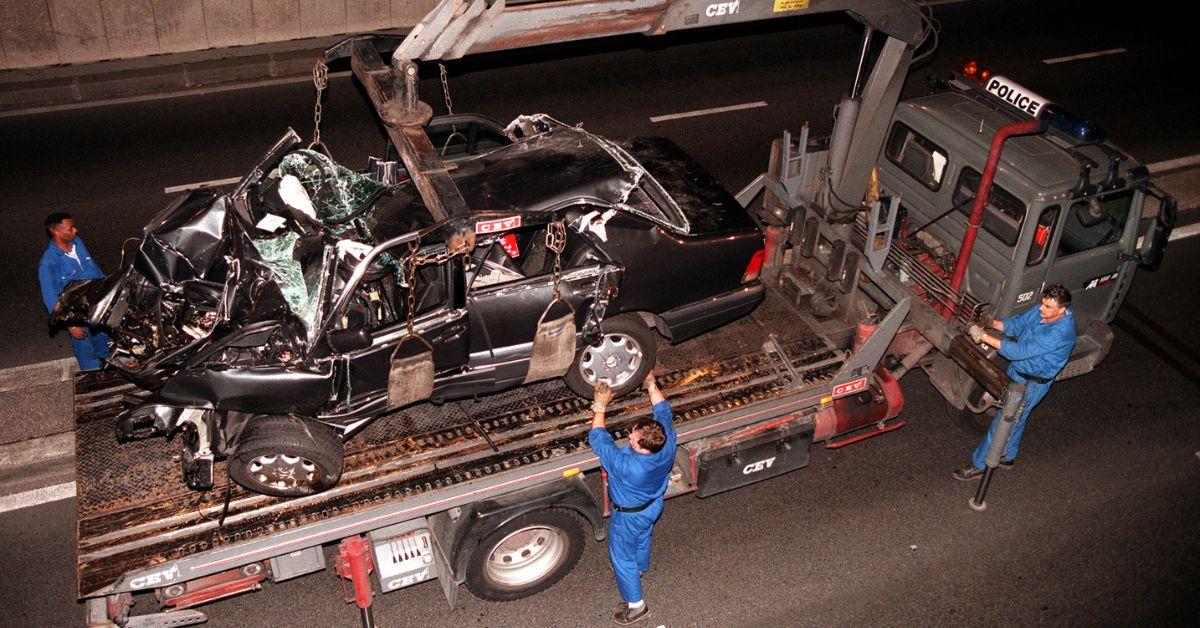
Contemporary investigations established that a white Fiat Uno had been seen near the tunnel. French police interviewed Le Van Thanh, a security guard who owned a Fiat Uno. The vehicle had subsequently been repainted red, and forensic investigators found similarities between paint and rubber traces on the Mercedes and the Fiat.
In his investigation, journalist Dylan Howard later tracked down Thanh and interviewed him alongside former homicide detective Colin McLaren. Howard reported that Thanh said French police had advised him not to travel to Britain to participate in Operation Paget, allegedly warning him that British and French legal systems were different.
That claim is striking—but it is important to distinguish an investigative journalist’s account from an independently established fact. There is no reliable evidence demonstrating that French authorities deliberately orchestrated a cover-up of Diana’s death.
Indeed, Howard himself reached a conclusion that runs contrary to many conspiracy theories. His investigation argued that Diana’s death was an accident resulting from a disastrous combination of circumstances rather than an assassination. He highlighted Henri Paul’s alcohol level, the Mercedes’ extreme speed and the interaction with another vehicle shortly before the crash.

The white Fiat remains significant because contemporary records show that investigators were aware of it. The Guardian’s historical timeline records that French police questioned Thanh in November 1997 and that forensic testing linked his vehicle to traces found on the Mercedes, although investigators ultimately ruled him out.
Witnesses later identified Thanh as someone who might have been driving the Fiat, adding another layer to the long-running mystery.
What makes the story so compelling is therefore not proof of a secret assassination plot, but the possibility that investigative shortcomings and poorly handled testimony helped create decades of suspicion.
Diana’s death remains one of the most examined tragedies of modern royal history. The evidence points strongly toward a catastrophic road accident, while questions surrounding the Fiat Uno and the treatment of witnesses continue to fuel debate.
For now, the alleged instruction to Thanh remains a claim reported by Howard, rather than proof that French police deliberately concealed evidence. That distinction is crucial—and perhaps the most important part of this enduring mystery.