Keanu Reeves’ Shocking Plea for Mercy: “Show Leniency” to Director Who Stole $11 Million from Netflix
In a surprising twist that has Hollywood buzzing, Keanu Reeves has stepped forward with a heartfelt letter asking a federal judge to show compassion toward Carl Rinsch, the director who was convicted of defrauding Netflix out of approximately $11 million. The letter, written on May 1 and recently made public, highlights the complex layers of friendship, artistry, and personal flaws in one of the industry’s more unusual redemption stories.
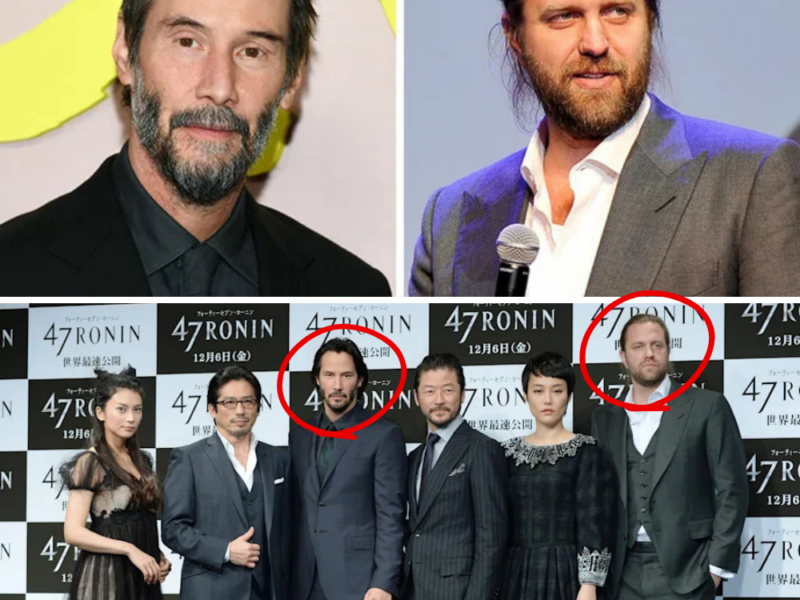
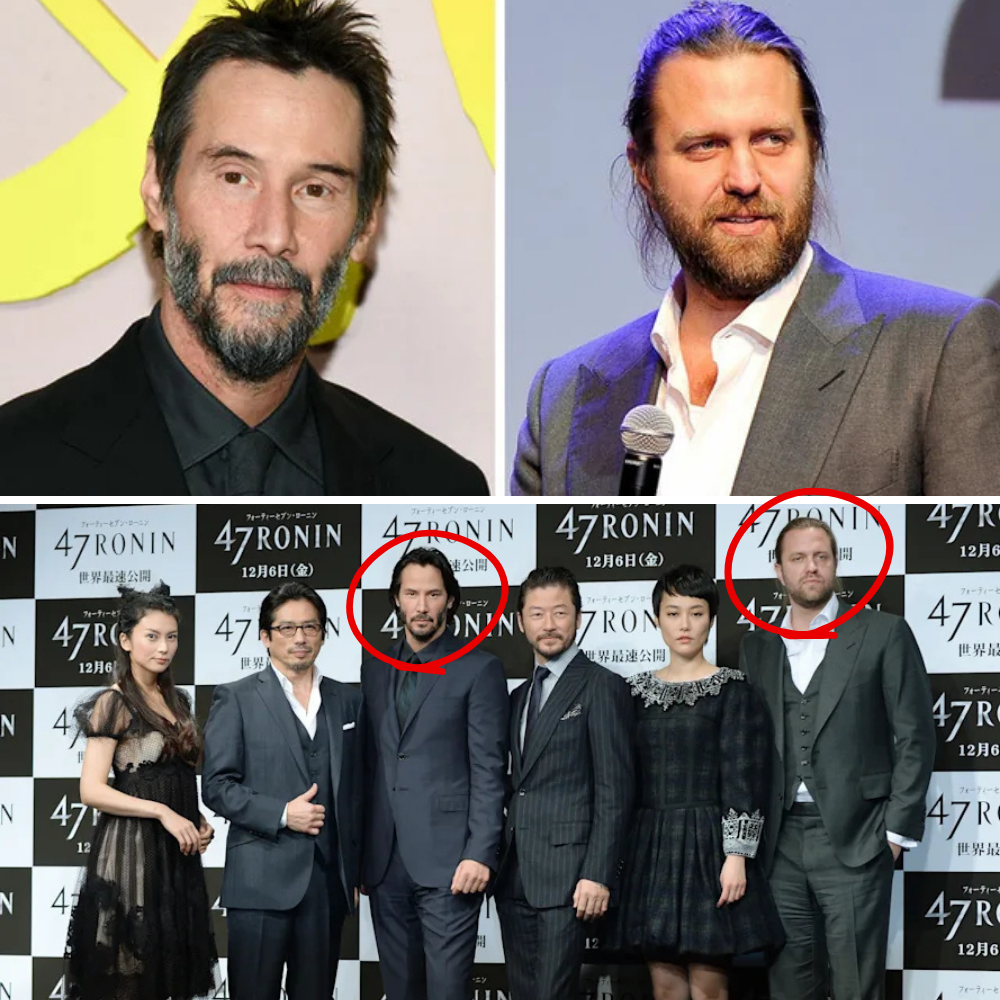
Rinsch first collaborated with Reeves on the 2013 samurai epic 47 Ronin, a visually ambitious project that marked Rinsch’s feature directorial debut. Their professional relationship evolved into a lasting friendship spanning over 15 years. Reeves attended Rinsch’s wedding in Uruguay in 2014 and stayed in touch long after the cameras stopped rolling. This personal bond forms the foundation of Reeves’ appeal for leniency ahead of Rinsch’s sentencing, currently scheduled for June 29.
The case itself involves significant sums. Prosecutors alleged that Netflix provided funding—reportedly around $44 million in total commitments—for Rinsch’s ambitious sci-fi series White Horse, centered on superintelligent clones. However, much of the money allegedly never made it to production. Instead, funds were reportedly diverted toward luxury purchases, including high-end vehicles like Rolls-Royces and a Ferrari, expensive mattresses, and speculative investments in cryptocurrency and stocks. Rinsch was convicted in December 2025 on multiple counts, including wire fraud and money laundering.
In his letter to U.S. District Judge Jed Rakoff, Reeves candidly admitted he does not know the full details of the case. Yet he spoke warmly of the man he knows personally. He described Rinsch as an “exceptional artist” whose unfinished work on White Horse impressed him as “superb and visionary.” Reeves also noted that Rinsch has a tendency to “self-sabotage” by expanding projects beyond agreed boundaries, placing himself and partners in difficult positions. Far from excusing the actions, Reeves framed this as insight into Rinsch’s character rather than a defense.
Reeves emphasized Rinsch’s ability to bring “exceptional joy and warmth” to those around him. As both an artistic peer and friend, he urged the court to balance justice with “measures of leniency and mercy,” suggesting that such compassion could serve as a healing element alongside any punishment. This stance from Reeves, known for his humility and kindness in Hollywood, has drawn mixed reactions—some praise his loyalty, while others question supporting someone convicted of such a large-scale financial scheme.
The situation raises broader questions about accountability in the entertainment industry, where creative ambition sometimes collides with financial realities. Big streaming projects often involve massive budgets and high risks. When things go wrong, the fallout can be severe, not just for the individuals involved but for the ecosystem of writers, crew members, and studios that depend on trust and responsible management.
As the sentencing date approaches, Reeves’ letter adds a deeply human dimension to what might otherwise be seen as a straightforward financial crime. It reminds us that even in the glare of multimillion-dollar scandals, personal relationships and perceptions of talent can complicate the pursuit of justice. Whether the judge will heed Reeves’ call for mercy remains to be seen, but the actor’s willingness to speak up for an old friend has once again shown why he remains one of Hollywood’s most respected figures.