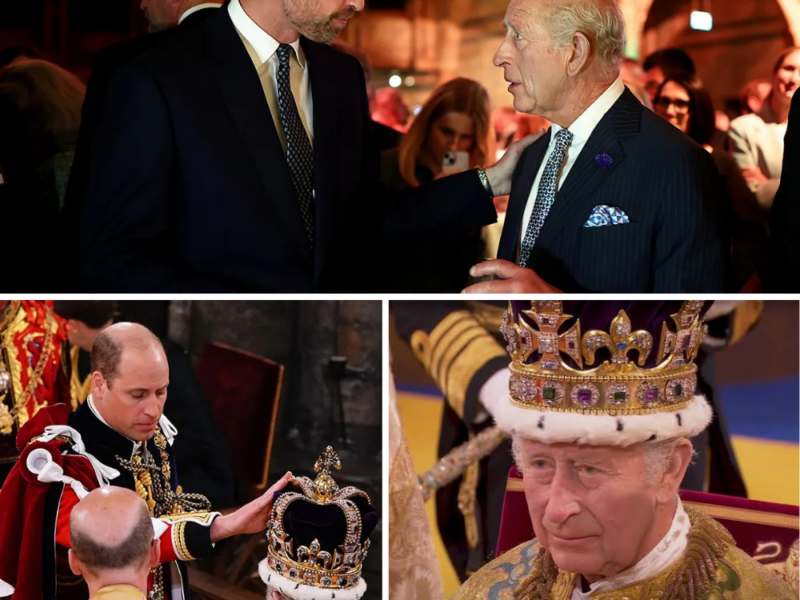
“He Thinks He Knows Best”: The Hidden Father-Son Friction Forcing King Charles and Prince William to Unite — Or Risk the Monarchy’s Future
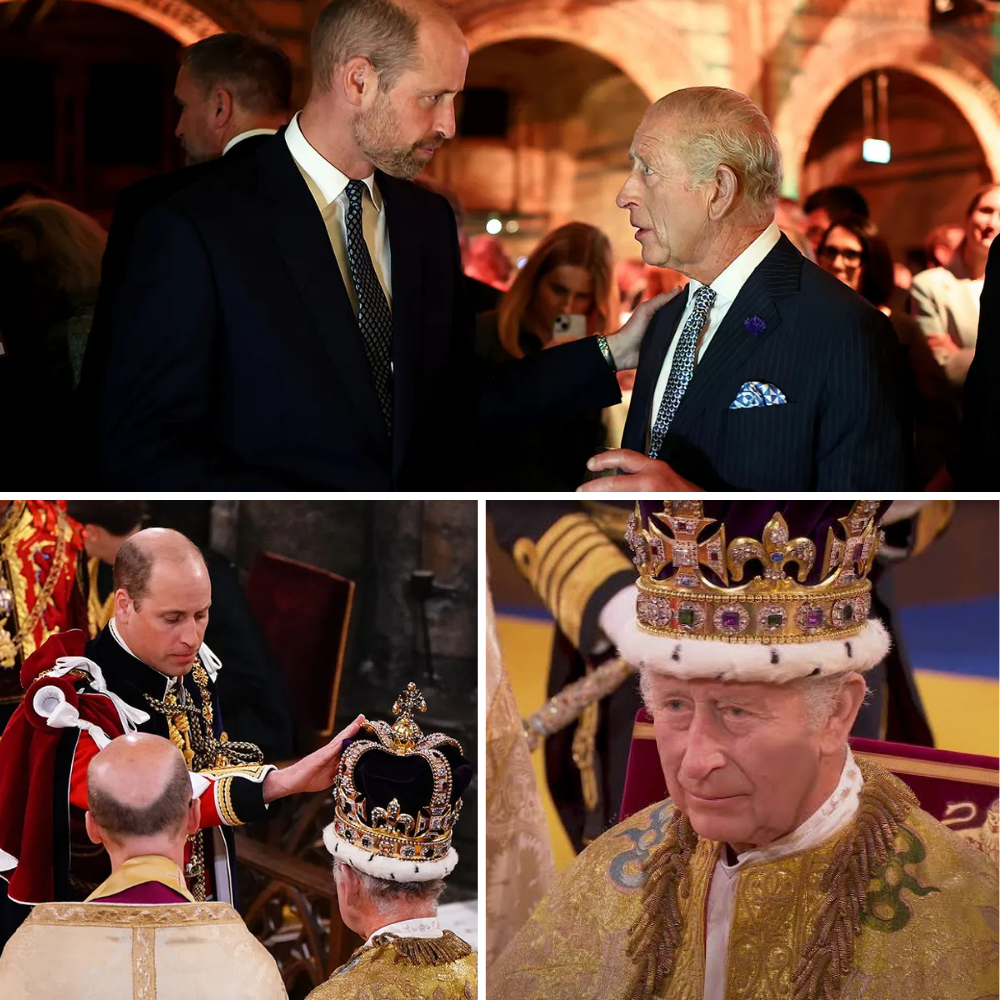
Royal observers have issued a clear warning: King Charles and Prince William must actively cooperate if the British monarchy is to navigate the challenges ahead. Beneath the polished public appearances, the relationship between the 77-year-old monarch and his 44-year-old heir is described as civil rather than warm, marked by ongoing differences of opinion that some close to the situation have called “eternal battles.”
The core issue, according to longtime royal biographers, centers on William’s strong sense of direction. One expert noted that the Prince of Wales “thinks he knows best,” a trait that has occasionally created friction with his father. Another observer emphasized that William will need to rise above personal tensions if he is to succeed as king, while both men understand they have no choice but to work together. Decisions made by Charles today will directly shape the institution William inherits tomorrow.
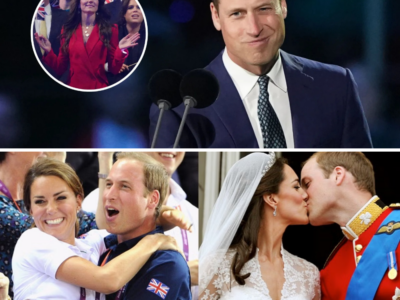
This dynamic is not new, but it has gained fresh urgency. William has spoken openly in recent years about his desire for meaningful change once he becomes king. He has described change as being “on my agenda” and expressed interest in making the monarchy more accessible and approachable, questioning whether current practices deliver the greatest possible impact. Such statements have unsettled some traditionalists who worry about the pace and scope of reform. At the same time, Charles has spent decades waiting for the throne and is focused on securing his own legacy during a reign that has already faced health challenges and family upheavals.
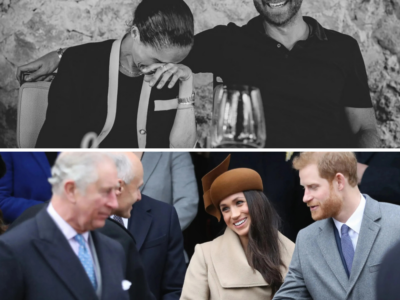
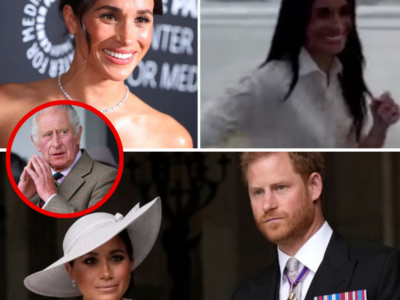
Despite the reported differences, the two men maintain regular contact. They meet and converse without major breakdowns in communication. Shared difficulties in recent years — including the departure of Prince Harry and Meghan from royal duties and the handling of Prince Andrew’s controversies — have in some respects drawn father and son closer. Charles is said to love both his sons equally, yet his working relationship with William has strengthened through external pressures that required a united front.
The stakes are high. The monarchy faces a more questioning public, a slimmed-down roster of working royals, and the need to remain relevant to younger generations. William’s three children represent the next generation of the line of succession, making long-term planning essential. Joint public appearances and coordinated responses to major events already demonstrate a practical partnership, even if private discussions can be robust.
Experts argue that the solution lies not in eliminating disagreement but in managing it productively. William’s confidence and clear vision could ultimately produce a strong modern monarchy, provided it is balanced with respect for the continuity Charles represents. For his part, Charles must continue preparing the ground for a smooth transition while allowing his heir space to shape the future.
In the end, the future of the Crown depends less on perfect harmony than on disciplined collaboration. Father and son both know the institution is bigger than either of them. How effectively they work together in the coming years will determine whether the monarchy emerges more resilient — or more vulnerable — in the decades ahead.