Inside the Royal Family’s Secret ‘Balmoral Test’: The Unspoken Tradition That Quietly Decides Whether Future Brides Truly Belong

For generations, an invitation to Balmoral Castle has represented far more than a relaxing holiday with Britain’s Royal Family. Behind the breathtaking Scottish landscapes and informal family gatherings lies an unwritten tradition that royal insiders have long referred to as the “Balmoral Test”—an unofficial but highly significant assessment of whether newcomers, especially future royal brides, are truly suited to life inside the monarchy.
According to royal commentators and former palace staff, the tradition dates back to the reign of Queen Victoria, whose purchase of Balmoral Estate in 1848 transformed the Scottish Highlands into the royal family’s most cherished private retreat. Over the decades, Balmoral evolved into a place where potential family members were quietly observed away from the public spotlight.
Unlike a formal interview, the Balmoral Test is never announced. Instead, guests are expected to navigate a complex web of unwritten customs that reveal whether they can adapt to royal life. Every detail—from table manners and dress choices to conversations, outdoor activities, and interactions with senior royals—can leave a lasting impression. The focus is less on perfection than on demonstrating respect for tradition, adaptability, and an ability to fit naturally into the family’s unique rhythm.
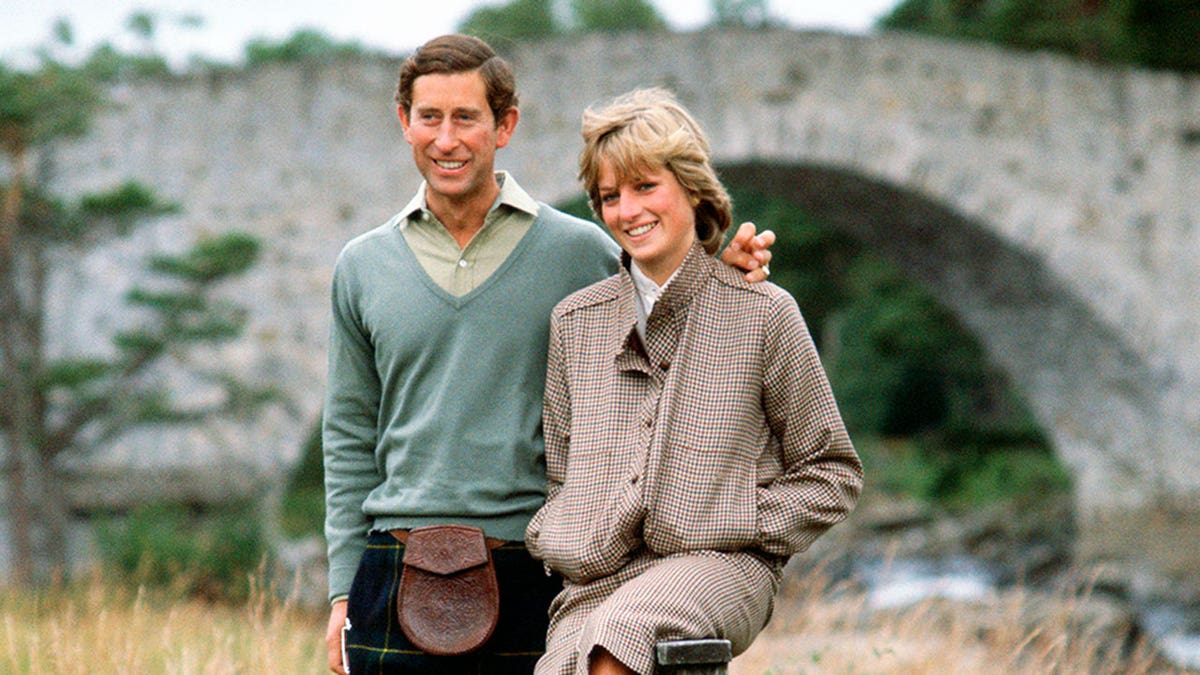
Life at Balmoral is famously different from the ceremonial image often associated with Buckingham Palace. The estate embraces country living, with long walks, outdoor pursuits, family barbecues, and relaxed evenings replacing state banquets and public engagements. Former royal employees have described the atmosphere as informal but deeply rooted in tradition, meaning newcomers are expected to participate rather than remain spectators.
Princess Diana is widely believed to have impressed the royal family during her early visits to Balmoral. Her aristocratic upbringing helped her understand many of the customs that outsiders often find intimidating. Yet history also demonstrated that successfully navigating Balmoral did not guarantee lasting happiness within royal life, as her marriage to the then-Prince Charles later faced profound challenges.
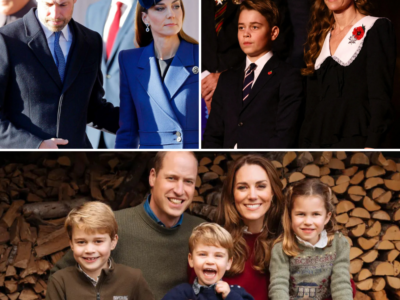
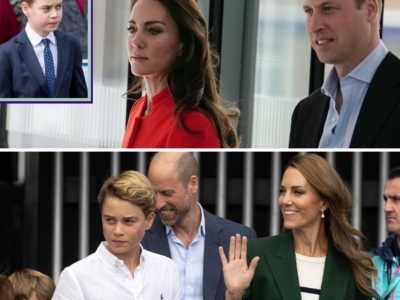
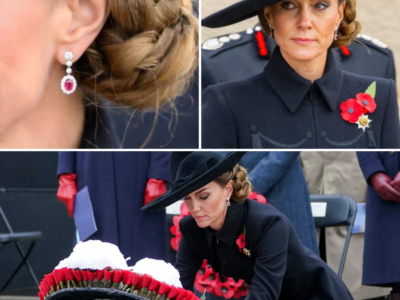
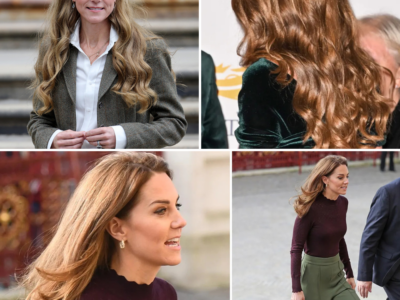
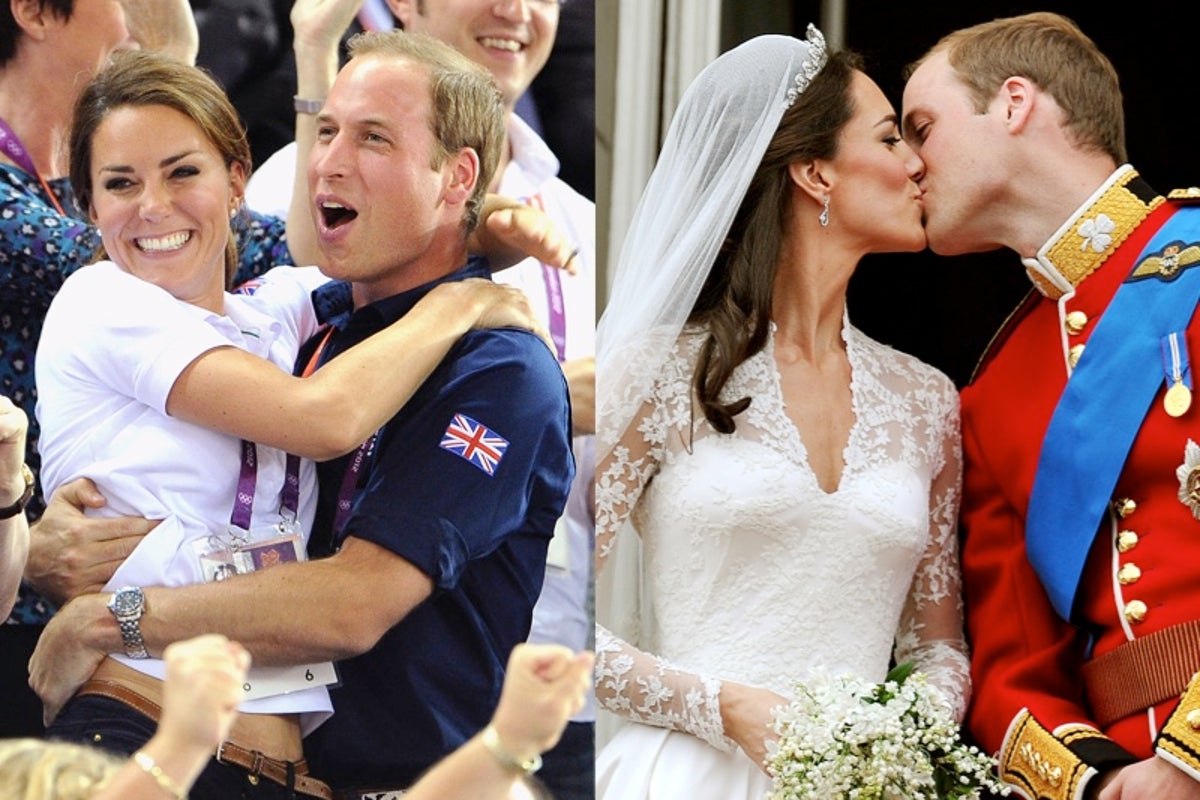
Catherine, Princess of Wales, has also frequently been cited as someone who adapted exceptionally well to Balmoral’s traditions. Her enthusiasm for hiking, country sports, and outdoor life reportedly made her feel at home, strengthening her relationship with the late Queen Elizabeth II and other senior royals over the years.
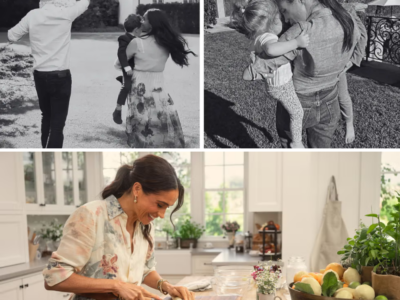
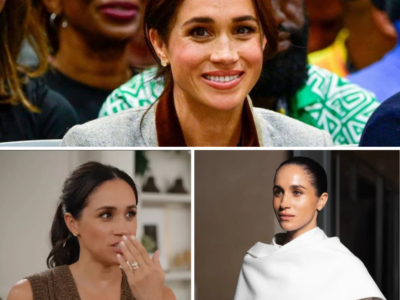
By contrast, commentators have often suggested that Meghan Markle found some of Balmoral’s longstanding customs less familiar. While opinions differ, many royal observers believe her experience reflected the broader challenge faced by anyone entering an institution built upon centuries of tradition and unwritten expectations.
Although Queen Elizabeth II’s death in 2022 marked the end of an era, royal experts say the essence of the Balmoral Test has not disappeared. Instead, it has become less rigid while continuing to serve as a subtle measure of compatibility, loyalty, and willingness to embrace the family’s distinctive way of life. Recent discussions surrounding new royal fiancées have reinforced the belief that Balmoral remains an important milestone for anyone hoping to join the House of Windsor.
Ultimately, the Balmoral Test is less about passing an examination and more about demonstrating that one can thrive within one of the world’s most tradition-bound families. For future royal brides, the quiet weekend in the Scottish Highlands may prove to be one of the most consequential moments of their lives.