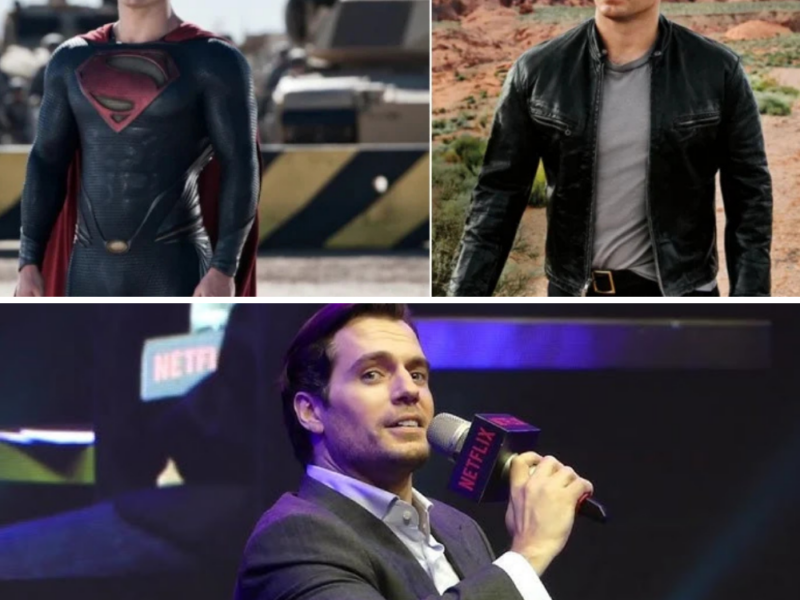
Henry Cavill Wears the Superman Cape — But Off-Screen, He’s Battling a Silent Invasion No One Wants to Talk About
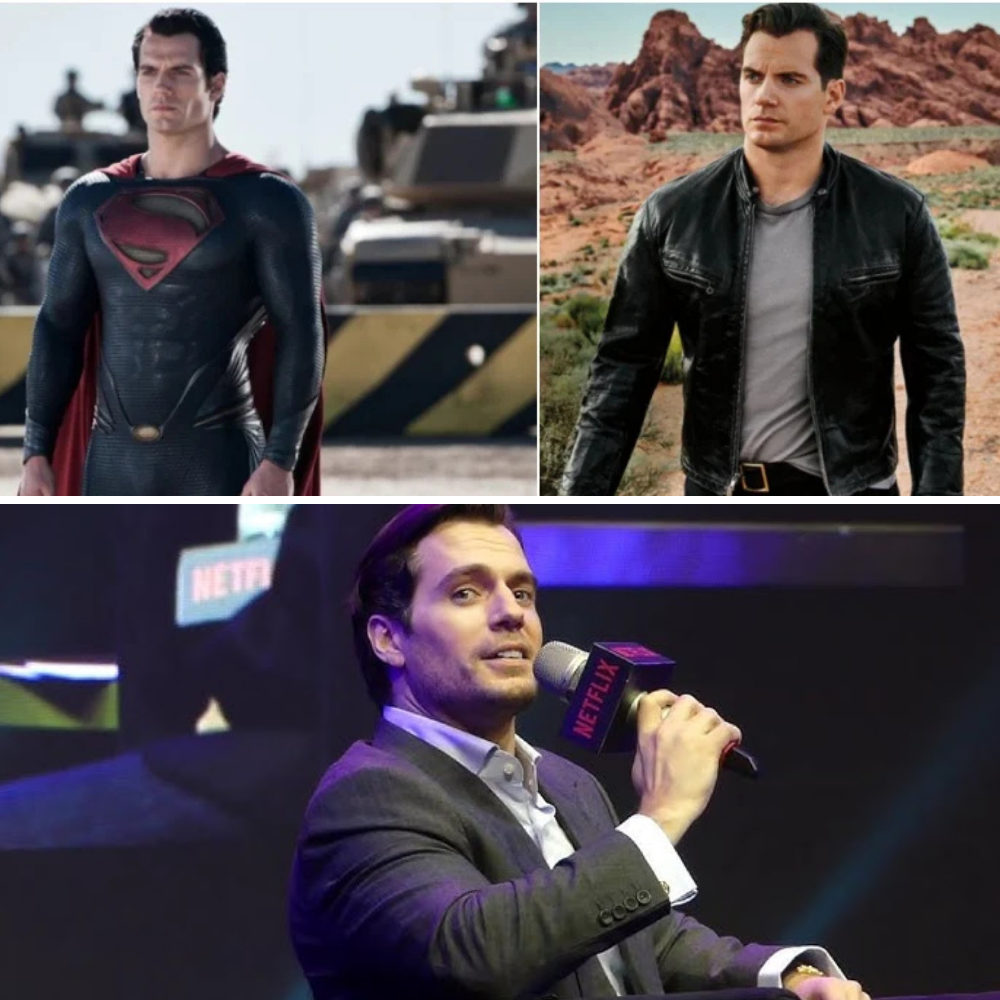
Henry Cavill has long embodied the ultimate symbol of strength and heroism as Superman. Yet behind the iconic red cape and chiseled physique lies a man quietly confronting an uncomfortable reality that society often dismisses with a laugh: the objectification and subtle invasion of male privacy in the entertainment industry.
From the early days of his career in The Tudors, where producers repeatedly pushed him into shirtless scenes — even for publicity shots that felt entirely out of character — Cavill found himself questioning the necessity. “Why the f*ck am I shirtless?” he once remarked, highlighting the pressure to exploit his body for audience appeal. What began as professional demands evolved into a pattern of awkward public moments where interviewers and co-stars crossed boundaries with blatant sexual comments, lingering stares, and invasive questions about his looks and physique that would spark immediate outrage if directed at a female star.
Videos compiling these uncomfortable interviews have circulated for years, showing Cavill visibly shifting in his seat as hosts make suggestive remarks. One moment that stands out is his reflection on street catcalling. Cavill shared an experience of a woman propositioning him crudely on the street, wondering aloud how the same woman would feel if a man did the same to her. He wasn’t dismissing women’s experiences but pointing out a glaring double standard: society readily condemns harassment toward women while treating similar behavior toward men as harmless fun or even flattery.
This isn’t just about isolated incidents. In an industry quick to champion #MeToo and call out female objectification, male discomfort is frequently minimized or mocked. Cavill has navigated this terrain with characteristic grace and restraint, maintaining professionalism even when the spotlight felt more like a spotlight on his body than his talent. His willingness to speak up challenges the narrative that men, especially attractive, muscular ones like the Man of Steel, should simply “take it as a compliment.”
Beyond interviews, the broader media culture amplifies this. Promotional campaigns and fan interactions often reduce accomplished actors to their physical attributes, creating an environment where boundaries blur. Cavill’s experiences underscore a deeper cultural inconsistency: while progress has been made in protecting women from unwanted advances and commentary, equivalent respect for men lags behind, often justified by outdated notions of masculinity that suggest men can’t be victims of objectification.
Cavill’s stance isn’t about seeking sympathy but advocating for consistency. True equality means holding everyone to the same standards of respect, regardless of gender. As he continues evolving his career — moving beyond Superman into diverse roles that showcase his depth as an actor — his quiet advocacy serves as a reminder that the fight against harassment and objectification must be universal. In a world that celebrates the superhero on screen, perhaps it’s time to offer the same protection and empathy to the man wearing the cape off-screen.