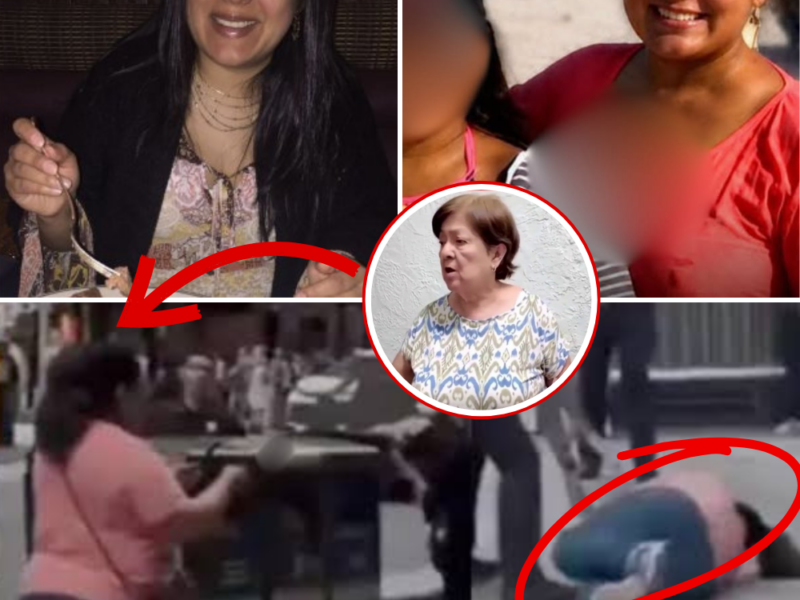
Family Defends Times Square Killer as Mentally Ill — But Video Shows Police Had No Choice
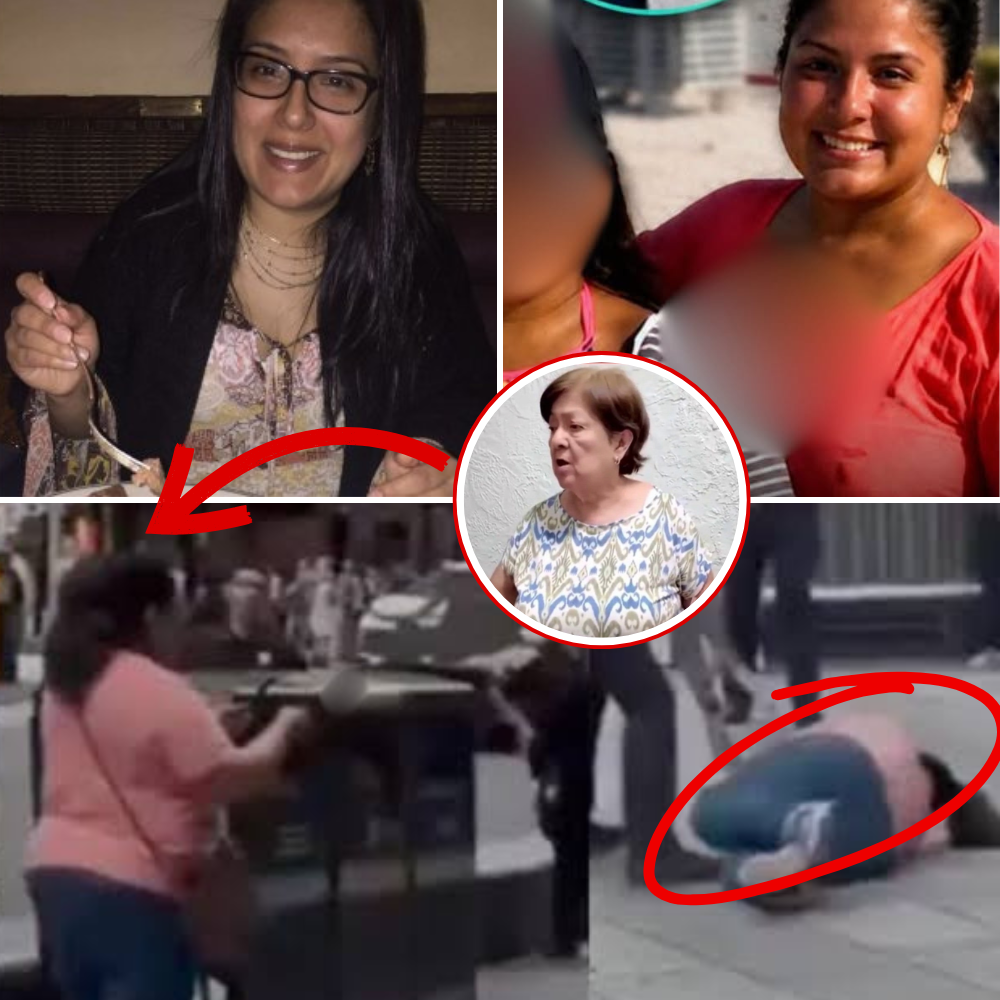
The family of Pamela Cisneros continues to frame her deadly rampage in Times Square as the tragic result of long-term mental illness. Relatives have pointed to years of psychological treatment, past hospitalizations, and a history of crisis as the primary explanation for what happened on the afternoon of August 31, 2026. They present her condition as a shield that somehow softens or excuses the violence she committed.
Cisneros, 49, of Queens, pulled two kitchen knives from a Target bag and stabbed two strangers within roughly 20 seconds. She first wounded Tak Kam, a 68-year-old visitor from Rhode Island, in the abdomen near West 41st Street and Seventh Avenue. Moments later she fatally stabbed Erin Piacenti, a 32-year-old Bank of America vice president and new mother from New Jersey, on 42nd Street. Police located Cisneros near an NYPD substation on Seventh Avenue between 42nd and 43rd Streets. Officers spent approximately four minutes issuing repeated commands to drop the weapons. She refused, reportedly telling them she would rather kill them. Multiple Taser deployments failed to stop her. When she advanced toward the officers while still holding the knives, two officers opened fire. Cisneros was taken to Bellevue Hospital and pronounced dead.
Her relatives have described decades of mental health struggles, including possible bipolar disorder, postpartum depression after the birth of one of her three children, a 2019 suicide attempt involving subway tracks, and earlier police encounters in 2018 and 2019. They say she had been receiving monthly injectable medication that appeared to stabilize her in recent years, and that she had shown no prior history of violence toward others. Some family members have questioned why officers did not simply physically restrain her instead of using lethal force.
These details matter. Mental illness is real, treatment is imperfect, and many people live with serious conditions without harming anyone. Yet the core principle remains unchanged: no one has the right to take another person’s life. Mental health challenges can explain behavior; they do not erase responsibility or cancel the rights of victims. Fair judgment requires looking at the full sequence of events, not only the medical history of the perpetrator.
Body-worn camera and bystander video of the confrontation show officers following standard protocol. They created distance, issued clear verbal commands, attempted less-lethal options first, and used firearms only after Cisneros advanced while armed and threatening. In a crowded public space where she had already killed one person and wounded another, the threat was immediate and ongoing. Justice, in that moment, was the enforcement of the law against an active, armed attacker who refused to stop.
The family is entitled to grief and to seek understanding of their relative’s illness. Society, however, is entitled to expect that random deadly violence will be met with decisive action to protect the public. The lives of Erin Piacenti and Tak Kam cannot be reduced to footnotes in a mental-health narrative. Accountability begins with recognizing that the knives, the stabbings, the refusal to drop the weapons, and the advance on officers were real choices with irreversible consequences. Mental illness does not rewrite those facts.