Could This Quiet Highgrove Reunion Finally Bring Prince Harry and His Family Back Into the Royal Fold?
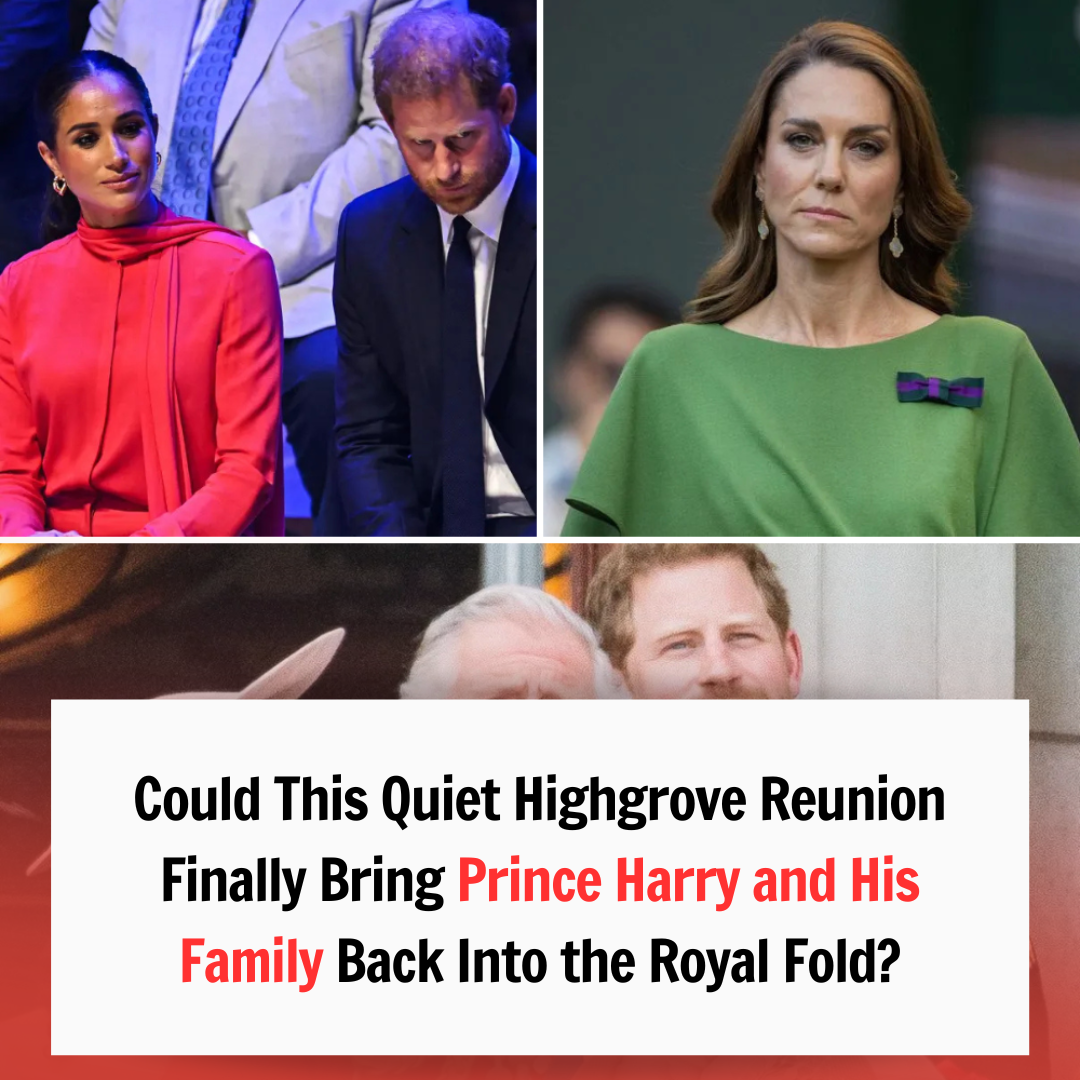
Ever since the Duke and Duchess of Sussex’s private meeting with King Charles and Queen Camilla at Highgrove House on 10 July 2026, quiet hopes have grown that Prince Harry and his young family might one day find a path back toward warmer ties with the wider royal family.
The gathering marked the first time in four years that the King had seen his son, daughter-in-law, and both grandchildren together. Archie, now seven, and Lilibet, five, last appeared with their grandfather during the late Queen Elizabeth’s Platinum Jubilee celebrations in 2022. Harry had travelled to Britain for engagements linked to the Invictus Games, the international sporting event he founded for wounded veterans. Meghan and the children joined him later in the week for the family visit at the King’s private Gloucestershire residence.
Buckingham Palace confirmed only that a private family meeting took place. No photographs were released and no official statement detailed the conversation. Reports indicate the encounter lasted roughly an hour. The choice of Highgrove — a personal rather than official residence — signalled an intentional effort to keep the occasion intimate and away from the formal pressures of palace life.
For many observers, the simple fact that the meeting happened at all represents progress. Relations between Harry and the rest of the family have remained strained since 2020, when he and Meghan stepped back from senior royal duties and moved to California. Public interviews, a memoir, and subsequent legal and media disputes deepened the distance. Prince William was not present at Highgrove, underscoring that the long-standing difficulties between the two brothers have yet to ease.
Still, the presence of the children appears to have been central. The King, now 77, has spoken in the past of the importance of family bonds. Spending time with Archie and Lilibet after such a long separation is widely viewed as a meaningful personal milestone, independent of any broader institutional questions.

Whether the Highgrove meeting leads to further contact remains uncertain. There is no public indication that Harry and Meghan are seeking a return to full-time working royal roles, nor that the palace is prepared to offer one. Security arrangements, living arrangements, and the couple’s independent life in the United States continue to present practical obstacles. Any future relationship would likely remain carefully managed and limited in scope.
Yet the very fact that the door opened, even briefly, has shifted the conversation. For years the narrative around the Sussexes focused almost exclusively on division. A private afternoon in the Cotswolds has introduced a different possibility: that personal connections, particularly those involving the next generation, may prove stronger than the public ruptures of the past.
Royal life moves slowly, and reconciliation — if it comes — will almost certainly be gradual rather than dramatic. No one expects an immediate return to joint public appearances or shared official duties. What Highgrove demonstrated is that the channels of communication have not closed completely. In a family where history, duty, and private feeling constantly intersect, that small opening is already significant.
The coming months will reveal whether the meeting was a one-off gesture of goodwill or the first careful step toward a more lasting understanding. For now, the image of a grandfather finally spending time with his grandchildren after four years apart remains the most human and hopeful element of the story.